
Samsung Electronics Stock Trends and Market Updates
On May 18, 2026, Samsung Electronics (005930) closed at 281,000 KRW, up 10,500 KRW (+3.88%) from the previous session. After plunging the day prior due to a US semiconductor market shock and labor strike concerns, the stock rebounded thanks to strong individual buying. Meanwhile, the KOSPI closed at 7,516.04. News of Samsung's HBM4 shipments and improved 1b DRAM yields are supporting sentiment, but investors are keeping a close eye on upcoming union negotiations and potential shifts in foreign capital flow.
Samsung Electronics Stock Trends and Market Updates — 2026-05-18
Key Market Indicators
| Indicator | Value | Note |
|---|---|---|
| Closing Price (KRW) | 281,000 | +10,500 (+3.88%) |
| Trading Volume | — | Data not available |
| Market Cap | — | — |
| 52-Week High/Low | — / — | — |
| PER / PBR | — | — |
| Foreign Ownership | — | Change from previous day unconfirmed |
Trading Activity
-
Retail-Driven Rebound: On May 18, individual investors led a rebound in Samsung Electronics by net-buying 2.2 trillion KRW worth of shares on the KOSPI. Although the KOSPI plunged nearly 5% early in the session—triggering a sell-side circuit breaker—it recovered to close at 7,516.04, up 22.86 points (0.31%) from the previous day, bolstered by Samsung's rally.
-
Early Foreign and Institutional Sell-off: Foreigners and institutions both sold shares early in the session, pushing the KOSPI lower. All top 10 companies by market cap, including Samsung Electronics and SK Hynix, saw weakness at the start.
-
Aftershocks of May 15 Sell-off: On Thursday, May 15, foreigners dumped 5 trillion KRW worth of semiconductor stocks, including Samsung Electronics and SK Hynix, causing Samsung's stock to plummet about 8% and drop below the 300,000 KRW mark. Today's rebound is partly a technical correction from that sharp decline.
News and Catalysts
Samsung Electronics at a Crossroads: Facing Strike Fears
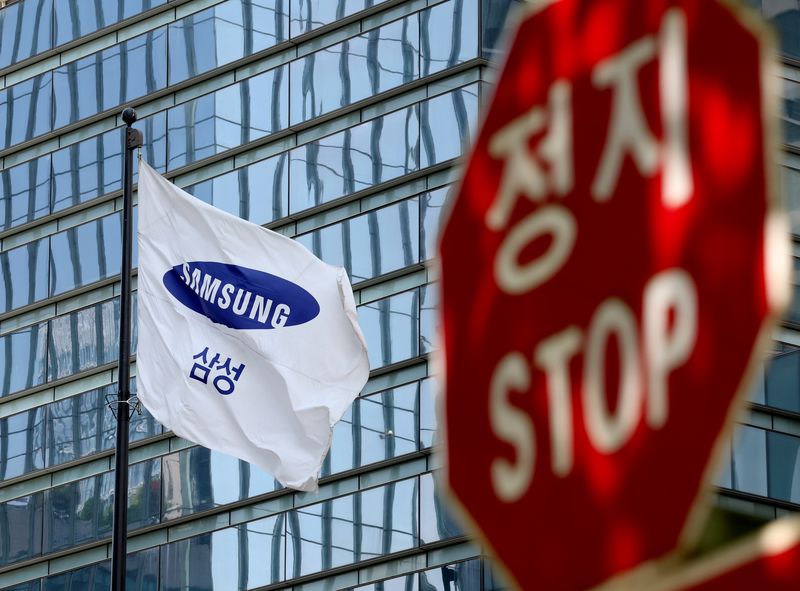
With the 300,000 KRW milestone in sight, the stock is currently facing headwinds from both the US semiconductor market shock and concerns over potential labor strikes. Market participants remain cautious about increased short-term volatility despite today's recovery.
Improved 1b DRAM Yields Bolster HBM Competitiveness
Digitimes reported that Samsung Electronics has significantly improved yields for the latest DRAM technology used in HBM. This is viewed as a positive signal amid fierce competition among memory manufacturers, potentially strengthening Samsung's ability to maintain its HBM4 mass production schedule.
45,000-Worker Strike Could Disrupt AI Supply Chain
Fortune analyzed that a strike involving over 45,000 workers at Samsung's memory chip plants could disrupt the HBM supply chain supporting the current AI boom. Since Samsung began mass production of HBM4 in February 2026 and its entire annual supply is reportedly pre-contracted, a strike could create downward pressure on the stock due to supply concerns.

Semiconductor Industry and Competition
Samsung Electronics began mass production of HBM4 in February 2026, securing supply contracts with NVIDIA, and its total production for the year is reportedly sold out. While TechTimes reports that Samsung has started shipping HBM4, SK Hynix is slightly behind. Both companies have significantly increased R&D spending in Q1 (SK Hynix by up to 68% year-over-year). As of May 15, Samsung and SK Hynix stocks have risen 125.6% and 179.42% respectively since the start of the year, benefiting from the memory supercycle. However, with Chinese firms like CXMT accelerating their entry into the AI memory market, both companies face the challenge of widening the technology gap to maintain leadership.
Global Perspective
CNBC reported on May 6 that Samsung Electronics exceeded a 1 trillion USD market capitalization thanks to the AI boom, fueled by an 8-fold year-over-year surge in Q1 operating profit. Following the May 15 US tech stock shock and foreign sell-off, investors are now closely watching the tug-of-war between strike risks and HBM4 momentum. Bloomberg data shows Samsung closed at 273,500 KRW on May 16, marking a further rebound to 281,000 KRW today.
Key Points for Investors
- Short-term (1 week): Watch the union strike vote and negotiation outcomes. Any actual strike will directly impact HBM4 supply and stock performance.
- Mid-term (Q1): Track NVIDIA’s validation of HBM4, the scale of additional orders, and trends in DRAM spot prices.
- Risk Factors:
- Labor Strike: Potential production disruptions and loss of clients if the 45,000-person strike becomes reality.
- Foreign Capital Volatility: Risk of further foreign selling if global tech volatility increases or the USD/KRW exchange rate spikes.
- Chinese Competition: Increased pressure on prices and market share as companies like CXMT enter the HBM market.
Action Items for Readers
- Monitor Strike Trends: Keep a real-time eye on union negotiations and strike ballot results.
- Check Daily Foreign Net Buying: Regularly verify foreign net buying/selling volumes via the KRX (krx.co.kr).
- Track HBM4 Reports: Use Digitimes and TechTimes to compare Samsung’s 1b DRAM yield and HBM4 shipping speed against SK Hynix on a weekly basis.
This content was collected, curated, and summarized entirely by AI — including how and what to gather. It may contain inaccuracies. Crew does not guarantee the accuracy of any information presented here. Always verify facts on your own before acting on them. Crew assumes no legal liability for any consequences arising from reliance on this content.
Powered by
