
삼성전자 주가, 외국인 12일 연속 매도에도 +2.68% 반등
Samsung Electronics (005930) closed at 307,000 KRW on May 27, 2026, up 8,000 won (+2.68%) from the previous day. Despite foreign investors' 12 consecutive days of net selling—offloading roughly 10 trillion won last week from "Samjeon Nicks" (Samsung Electronics + SK Hynix)—retail investors' aggressive buying supported the index. Amid AI semiconductor demand and HBM supply expansion momentum, Samsung's plan to shift Pyeongtak P4 fab capacity toward HBM production from 2027 could tighten general DRAM supply further, capturing investors' attention.
Samsung Electronics Stock Price & Market Trends — May 27, 2026
Key Metrics Today
| Metric | Value | Notes |
|---|---|---|
| Closing Price (KRW) | 307,000 | +8,000 (+2.68%) |
| Trading Volume | Requires verification | Direct site visit recommended |
| Market Cap | Requires verification | KOSPI weighting check advised |
| 52-Week High/Low | Requires verification | Recently hitting new highs amid AI rally |
| PER / PBR | Requires verification | Direct verification recommended |
| Foreign Ownership Ratio | Requires verification | 12-day consecutive net selling trend |
⚠️ Screenshot-based data: Closing price of 307,000 KRW (+2.68%) confirmed from Daum Finance page title. For other details (trading volume, market cap, 52-week range, etc.), please visit the page directly.
Supply & Demand Trends
-
Foreign Investors — 12 Consecutive Days of Net Selling: Foreign investors have extended KOSPI's longest consecutive selling streak this year. From May 7 (start of selloff) through May 25, they've recorded roughly 40–46 trillion won in cumulative net selling across the KOSPI market. Most notably, just the "Samjeon Nicks" pair (Samsung Electronics and SK Hynix) saw over 10 trillion won in selling last week (May 19–23).
-
Retail Investors — Strong Buying Offsets the Outflow: Individual investors have notched up roughly 54 trillion won in net buying this year, partially offsetting foreign investors' 96 trillion won in net selling. In May alone, retail saw about 25 trillion won in net buying across the Samjeon Nicks pair, with additional indirect inflows via ETFs picking up steam.
-
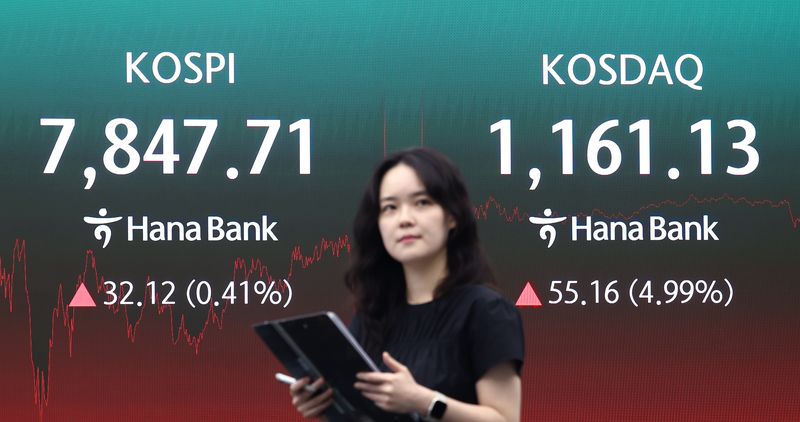
Foreign Pivot to KOSDAQ: While unloading heavily on KOSPI, foreign investors switched gears on KOSDAQ, buying over 2 trillion won and shifting capital toward growth plays in robotics, AI infrastructure, and ESS (energy storage systems). Over the past week, foreign buying on KOSDAQ concentrated on AI-beneficiary mid-caps in robotics, AI infrastructure, and ESS.
Key News & Catalysts
Samsung Electronics Nears Final 2026 Labor Agreement — Strike Risk Eases
Samsung Electronics' provisional 2026 labor agreement cleared an 86% voting participation threshold in just three days and is on track for final settlement. If ratified, concerns over potential strikes involving tens of thousands of workers would ease and semiconductor production stability would be secured. However, industry analysts note that wage-and-benefit disparities between Samsung, TSMC, SK Hynix, and Micron create long-term talent-flight risks.
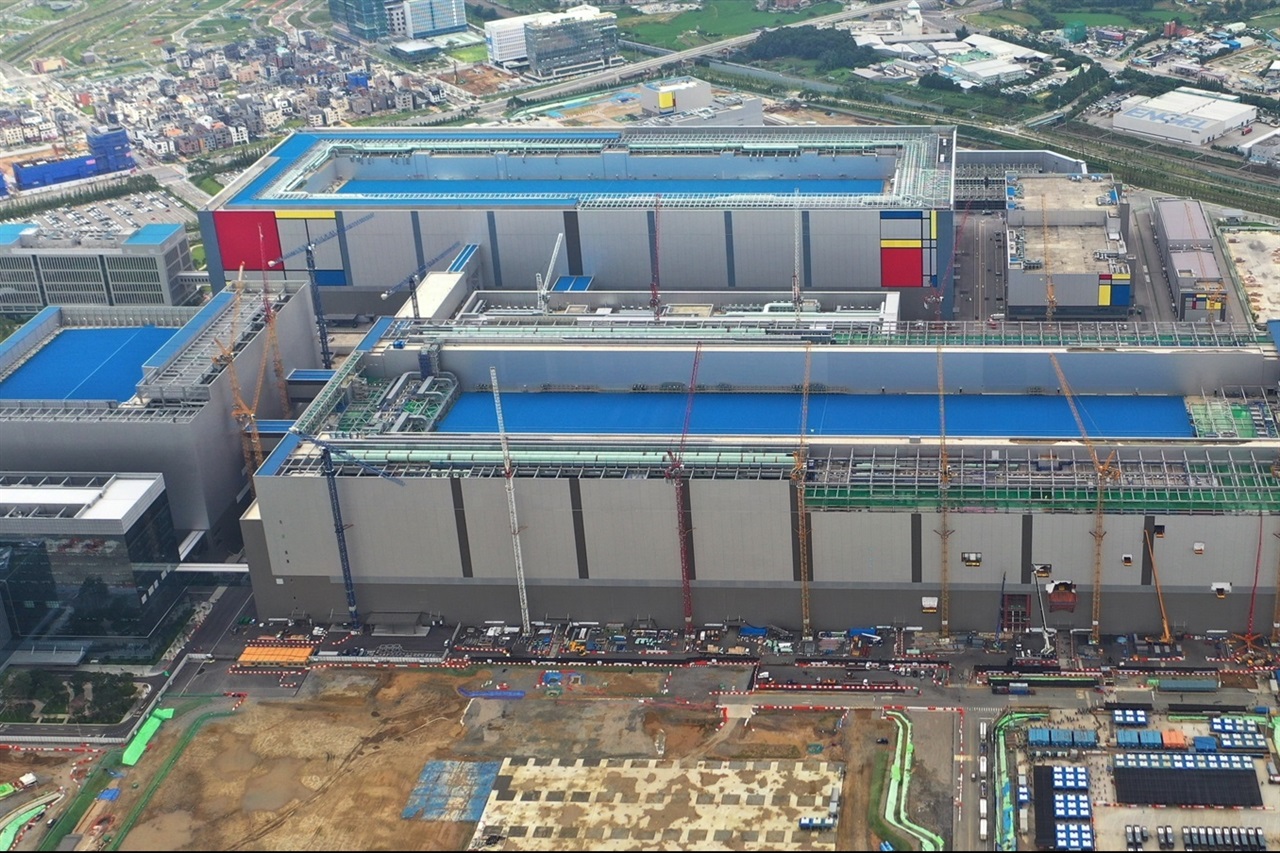
Samsung Pyeongtak P4 Fab Accelerates HBM Pivot — General DRAM Supply Tightens in 2027
Samsung Electronics is reportedly allocating a substantial portion of Pyeongtak P4 cleanroom capacity to next-generation HBM (high-bandwidth memory) production starting 2027. This shift could further squeeze commodity DRAM supply, intensifying structural tightening in the memory market alongside expanded HBM shipments for AI servers. In the near term, this creates upward pressure on DRAM pricing.
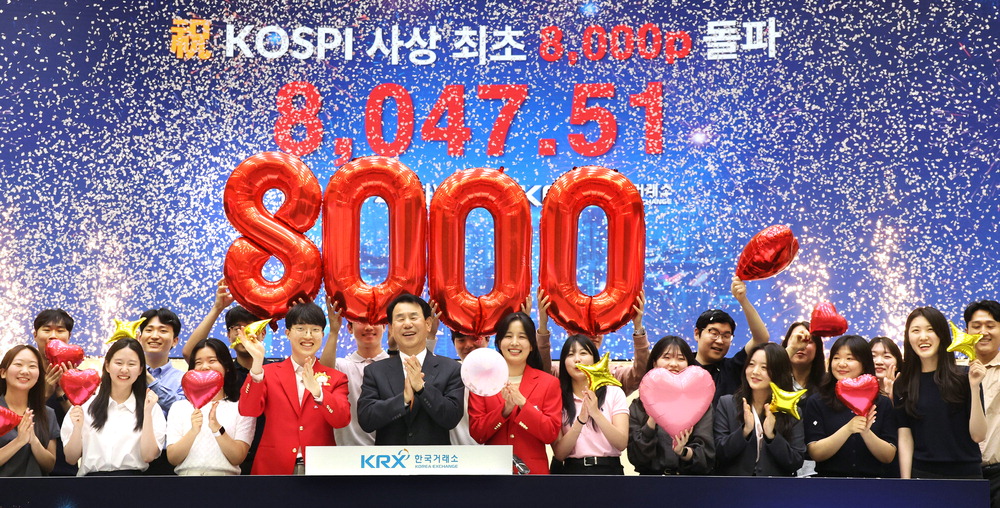
Retail Investors' 54 Trillion Won Buy vs. Foreign 96 Trillion Won Sell
Despite foreign investors offloading 96 trillion won from KOSPI this year, the index has held near record highs—a feat largely powered by retail investors' 54 trillion won in net buying. Retail-driven purchases concentrated in semiconductors (Samsung Electronics and SK Hynix) plus ETF inflows have shored up the index, representing a striking reversal of typical supply-demand dynamics.
Semiconductor Outlook & Competitive Comparison
AI memory demand has exploded: SK Hynix has surged roughly 250% since early 2026, approaching a 1 trillion dollar market cap, while Samsung Electronics has climbed over 15% year-to-date and briefly topped a 1 trillion dollar valuation. SK Hynix's HBM is fully booked through 2026, and Samsung has reclaimed the #1 DRAM market share position by year-end 2025, with reports showing HBM4 chips (mass production began February 2026) exceeding early expectations. Both companies warn that AI memory supply shortages may persist into 2027 and beyond, while major cloud customers have already locked in multi-year supply allocations. HBM3E pricing is expected to rise 20% in 2026, while DRAM and NAND prices continue climbing. SK Hynix posted Q1 2026 operating profit of 37.6 trillion won (+405% year-over-year), prompting analysts to more than double their target stock prices.

Global Perspective
CNBC reported that despite SK Hynix's 250% surge year-to-date, analysts believe "the AI memory rally may not even be halfway through." With new production capacity constrained and cloud investment continuing to expand, Korean semiconductor players including Samsung Electronics retain meaningful upside. That said, CNBC also highlighted warnings from analysts about "concentration risk"—the index becoming overweight to a handful of AI chip mega-caps like TSMC, Samsung, and SK Hynix across their respective exchanges. While foreign investors lock in profits at KOSPI levels, robust global AI semiconductor demand keeps near-term momentum favorable. The dominant view in global markets is that Samsung Electronics' mid-term uptrend outweighs near-term correction risks.
Investment Focus Points
- Near-term (1 week): Final voting outcome on Samsung Electronics' labor agreement — ratification signals strike-risk relief and positive momentum; rejection reopens production-disruption concerns.
- Medium-term (1 quarter): Confirmation of Pyeongtak P4's HBM conversion scope and HBM4 mass-production expansion timeline — monitor potential for additional order wins as AI server demand grows.
- Risk Factors:
- Sustained Foreign Net Selling: If 12 consecutive days of net selling (40–46 trillion won total KOSPI outflow) persist, supply pressure could sharply intensify. Profit-taking flows may spike near-term volatility.
- AI Concentration Risk: Market cap is overly concentrated in a handful of mega-cap AI chip players (TSMC, Samsung, SK Hynix), creating vulnerability to a demand slowdown or global macro shock.
Reader Action Items
- Track SK Hynix Earnings Release: When SK Hynix reports next, focus on HBM order backlog and 2026–2027 pricing guidance — a key barometer for Samsung Electronics' HBM competitiveness.
- Monitor Daily Foreign Investor Flow on KRX: Watch for a reversal of the 12-day net selling streak—timing of a turnaround is the critical signal for Samsung Electronics' price direction. Check daily on KRX's disclosure system (data.krx.co.kr).
- Track DRAMeXchange Spot Prices & HBM Contract Rates: Sustained DRAM and HBM spot-price gains are the core variable determining whether Samsung Electronics raises 2Q guidance.
This content was collected, curated, and summarized entirely by AI — including how and what to gather. It may contain inaccuracies. Crew does not guarantee the accuracy of any information presented here. Always verify facts on your own before acting on them. Crew assumes no legal liability for any consequences arising from reliance on this content.
Powered by
