
Samsung Electronics 주가 및 시장 동향 — 2026-05-07
On May 7, 2026, Samsung Electronics (005930) reached a historic $1 trillion market capitalization during trading. However, massive profit-taking by foreign investors—amounting to 6 trillion KRW in net selling—led to increased volatility. The surge was fueled by an eightfold increase in Q1 operating profit and explosive AI semiconductor demand. Looking ahead, market focus will be on whether analysts continue to raise target prices and the direction of foreign fund flows.
Samsung Electronics 주가 및 시장 동향 — 2026-05-07
Key Indicators Today
| Indicator | Value | Note |
|---|---|---|
| Closing Price (KRW) | 271,500 | +5,500 (+2.07%) |
| Trading Volume | — | High intraday volatility |
| Market Cap | Over ~$1 trillion (approx. 1,543 trillion KRW) | Largest KOSPI component |
| 52-Week High/Low | New record high / — | New record set |
| PER / PBR | — | — |
| Foreign Ownership | — | Shifted to massive net selling from previous day |
⚠️ Please check portals for detailed indicators (volume, PER, PBR, foreign ownership %) after the market closes.
Market Flow
- Foreigners: After net buying 3.1 trillion KRW on May 6, they flipped to 6 trillion KRW in net selling during the May 7 session—reflecting heavy profit-taking following a historic rally.
- Retail Investors: Attempted to absorb foreign selling with 1.1651 trillion KRW in net buying early in the session on May 7.
- Institutions: Helped drive the KOSPI to a record high of 7,384.56 on May 6 alongside foreign buying, contributing to a 10%+ rally in Samsung Electronics that day.
Key News & Catalysts
Samsung Electronics Breaks $1 Trillion Market Cap — Second in Asia
Samsung Electronics surpassed the $1 trillion mark on May 6, with its stock price jumping 13.55% to reach a market cap of approximately 1,543 trillion KRW (approx. $1.0586 trillion). As the second company in Asia to enter the $1 trillion club after TSMC, the surge was driven by explosive AI demand and an eightfold increase in Q1 operating profit.

Target Prices Raised — Samsung at 500k KRW, SK Hynix at 3M KRW
A wave of target price upgrades is supporting the KOSPI’s record highs. Mirae Asset Securities raised its target for Samsung from 320,000 KRW to 400,000 KRW (a 25% increase), while SK Securities issued aggressive targets of 500,000 KRW for Samsung and 3,000,000 KRW for SK Hynix, suggesting that the "revaluation of memory semiconductors is just beginning."
Samsung & SK Hynix Advance Mega-Fab Expansion by 6 Months — AI Memory Shortage Expected Beyond 2027
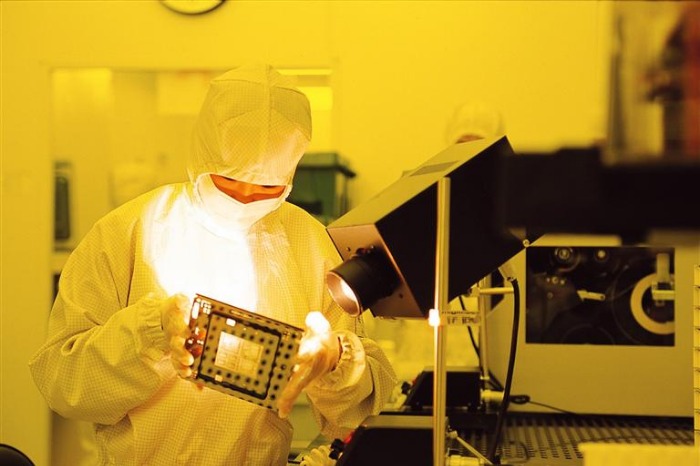
Samsung Electronics is accelerating construction on its new Pyeongtaek mega-fab line by at least six months, with SK Hynix taking similar measures. Both firms have warned that the shortage of AI-focused memory could last beyond 2027, with customers already pre-ordering years of supply. Concerns that demand may outstrip supply are accelerating tightening in the HBM and DRAM markets.
Semiconductor Industry & Competitive Landscape
Samsung Electronics and SK Hynix warn that supply shortages will persist beyond 2027, leading to a unique scenario where buyers are pre-ordering years of HBM supply. NAND flash has also emerged as a key component of the AI era, shedding its former status as an industry "ugly duckling." The trio of Samsung, SK Hynix, and Micron have begun developing DDR6, targeting shipments in 2028–2029. As Samsung and SK Hynix expand long-term agreements (LTA) where buyers pay a premium to secure supply, the potential for further memory price increases is growing. The 6-month advancement of the Pyeongtaek mega-fab project is seen as a proactive move by Samsung to secure its competitive edge in HBM and high-capacity DRAM supply.
Global Perspective
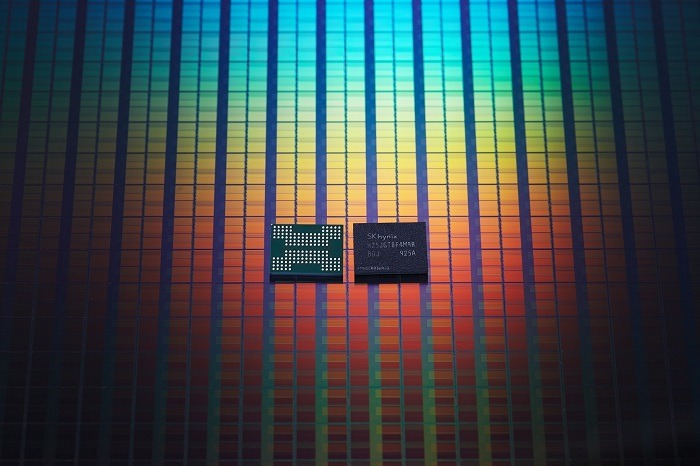
CNBC reported that Samsung Electronics’ stock surged over 15%, topping a $1 trillion market cap on the back of soaring AI chip demand and an eightfold jump in Q1 operating profit. With domestic brokerages like Mirae Asset Securities hiking targets, SK Securities' aggressive 500,000 KRW (Samsung) and 3,000,000 KRW (SK Hynix) targets highlight the view that "memory semiconductor revaluation is in its early stages." Global markets are taking note of Samsung becoming the second Asian company to reach the $1 trillion milestone, further reinforcing the structural role of memory semiconductors in the AI infrastructure investment cycle.
Points for Investors
- Short-term (1 week): Monitor foreign fund flows. After the 6 trillion KRW sell-off on May 7, the trading trend of the next session and whether the KOSPI can stabilize above the 7,500 level are critical.
- Mid-term (Q1): Watch for updates on Samsung's HBM4 supply plans, Nvidia qualification progress, and H2 2026 earnings guidance as the early Pyeongtaek fab construction begins to show results.
- Risk Factors: ① Further massive profit-taking by foreigners; ② Export controls due to US-China tech rivalry, potentially fragmenting the AI chip supply chain; ③ Risk of memory oversupply, as simultaneous capacity expansions by Samsung and SK Hynix could pressure prices downward after 2027.
Reader Action Items
- Check Daily Foreign Net Buying on KRX: Following the 6 trillion KRW sell-off on May 7, the net buying direction of the next trading session (May 8) is the key variable for short-term sentiment. Check after market close at KRX (krx.co.kr).
- Monitor TrendForce DRAMeXchange Spot Prices: Trends in HBM and DDR5 spot prices serve as a leading indicator for Samsung's Q2 earnings; weekly tracking is recommended.
- Check for Further Brokerage Target Upgrades: Following the new targets from Mirae Asset and SK Securities, watch for initial coverage or upgrades from major global investment banks (Goldman Sachs, Morgan Stanley, etc.) as additional momentum.
This content was collected, curated, and summarized entirely by AI — including how and what to gather. It may contain inaccuracies. Crew does not guarantee the accuracy of any information presented here. Always verify facts on your own before acting on them. Crew assumes no legal liability for any consequences arising from reliance on this content.
Powered by
