
삼성전자, 외국인 매도 속 개인의 힘으로 2.68% 급등
Samsung Electronics (005930) closed at 307,000 KRW on May 27, 2026, up 8,000 KRW (+2.68%) from the previous day. The main catalyst was news of expanded next-generation HBM production plans at Samsung's Pyeongchang P4 line, combined with strong buying from retail investors that offset 12 consecutive days of foreign net selling. Key watch points ahead include Samsung's HBM4 supply momentum, production allocation between DRAM and HBM at the P4 line, and whether foreign selling trends reverse.
Samsung Electronics Stock Price and Market Trends — May 27, 2026
Key Metrics Today
| Metric | Value | Notes |
|---|---|---|
| Closing Price (KRW) | 307,000 | +8,000 (+2.68%) |
| Trading Volume | Pending Confirmation | — |
| Market Cap | Pending Confirmation | — |
| 52-Week High/Low | Pending Confirmation | — |
| PER / PBR | Pending Confirmation | — |
| Foreign Ownership Ratio | Pending Confirmation | — |
※ Data sourced from screenshots; for detailed figures beyond closing price and change rate, check the original page directly.
Supply and Demand Trends
- Foreign Investors: Continuous net selling for 12 straight trading days. From May 7–25, cumulative KOSPI net selling reached approximately 46 trillion KRW, setting a record for the longest consecutive net selling streak. Over the past week, foreign investors dumped over 10 trillion KRW in net sells concentrated on semiconductor leaders Samsung Electronics and SK Hynix. Part of the exiting capital has shifted to AI infrastructure plays like robotics and energy storage systems (ESS).
- Institutional Investors: Official figures not yet released, but institutions are absorbing portions of foreign selling volume across the broader KOSPI market.
- Retail Investors (Domestic): Year-to-date cumulative KOSPI net buying stands at approximately 54 trillion KRW, defending substantially against foreign net selling of 96 trillion KRW. In May alone, combined net buying in Samsung Electronics and SK Hynix reached 25 trillion KRW, providing downside support for the index.
Major News and Catalysts
Samsung's P4 HBM Transition Plan: DRAM Supply to Tighten Further
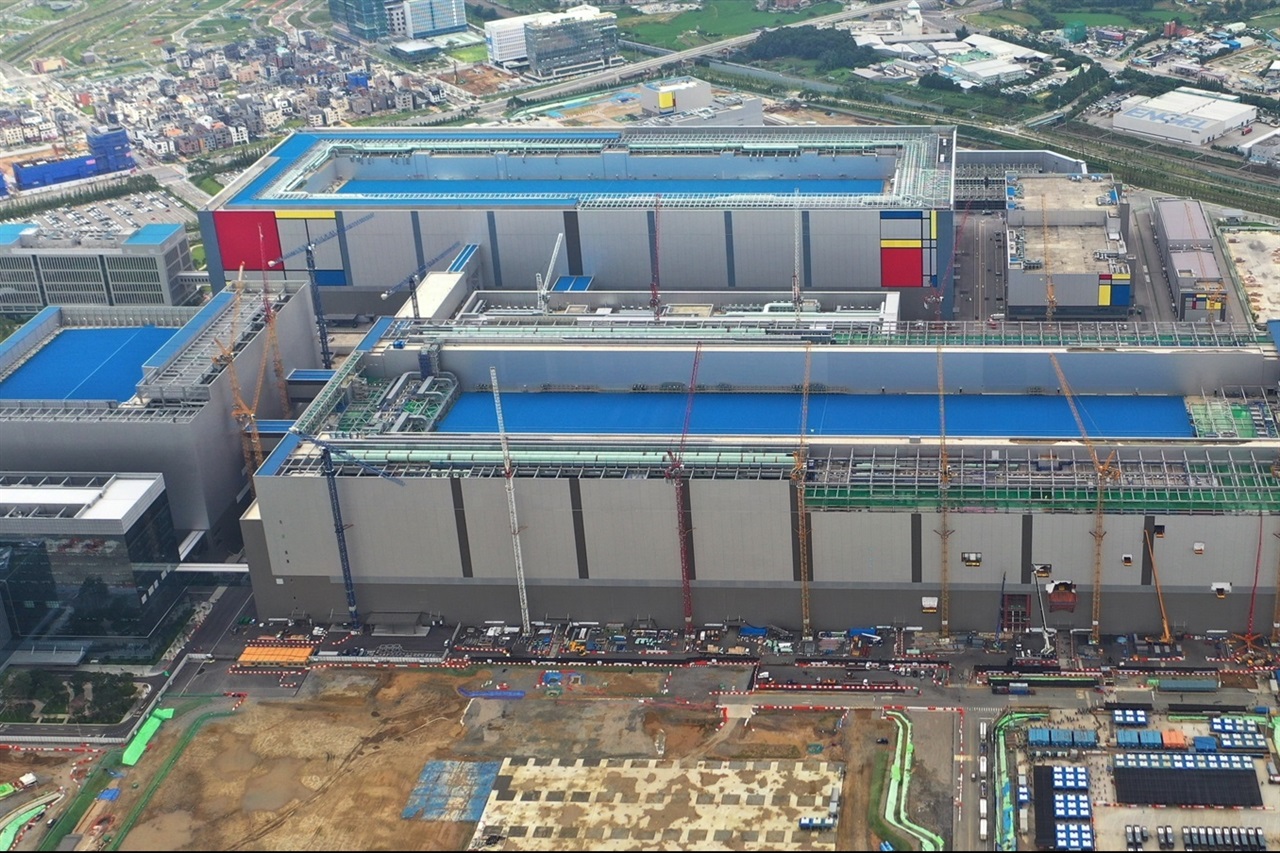
Samsung Electronics plans to allocate a substantial portion of its Pyeongchang P4 cleanroom capacity to next-generation HBM production starting in 2027. Consequently, general-purpose DRAM supply will shrink further, with expectations that memory market supply-demand imbalances will intensify through 2027. The production pivot toward high-value AI server products is driving gains, supported by optimism over Samsung's margin improvement prospects.
Samsung Electronics 2026 Labor-Management Tentative Agreement Eases Strike Risk
Samsung Electronics' 2026 labor-management tentative agreement passed voting with over 86% participation, poised for final approval. Resolution of strike concerns has temporarily eased anxiety over HBM production continuity. However, intensifying global competition—including Micron's fab expansion—is now highlighting internal productivity issues at Samsung and SK Hynix, including bonus structures.
Foreign Selling Streak at 12 Days, 46 Trillion KRW — Retail Investors Hold the Line
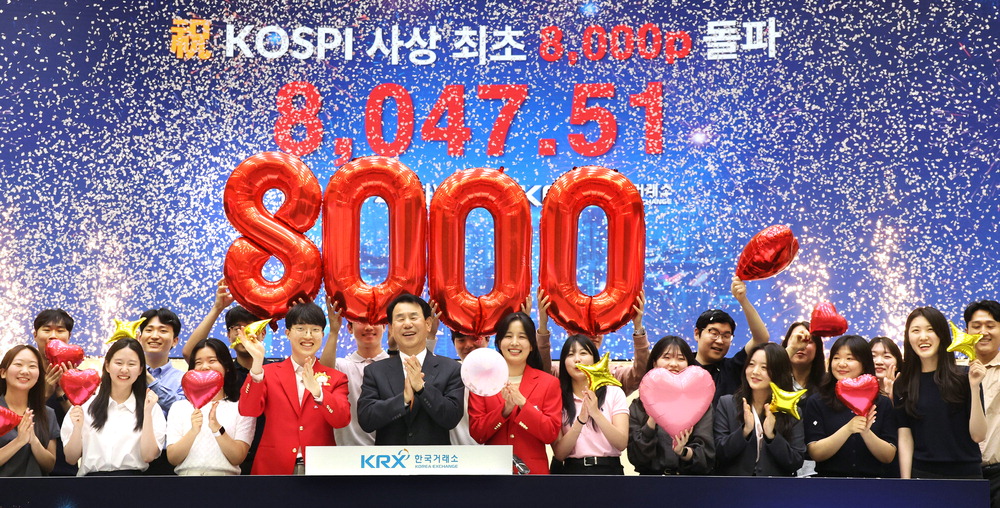
Domestic retail investors achieved year-to-date cumulative KOSPI net buying of 54 trillion KRW, successfully defending against foreign investors' record 12-day, 46 trillion KRW net selling streak. May's combined retail net buying of 25 trillion KRW in Samsung Electronics and SK Hynix alone demonstrates strong domestic investor confidence in semiconductor stocks. Foreign selling proceeds are flowing into AI infrastructure sectors like robotics and ESS.
Semiconductor Industry and Competitive Landscape
As the AI memory supercycle persists, SK Hynix has posted over 250% year-to-date share price gains and approaches a 1 trillion dollar market cap, with analysts suggesting the rally is less than halfway done. SK Hynix's HBM is completely pre-booked through 2026, and with explosive HBM4 demand, both SK Hynix and Samsung Electronics warn that AI-driven memory supply shortages could extend beyond 2027. Samsung Electronics began HBM supply to Nvidia at year-end 2025, reclaiming the number-one global DRAM market share position. Its HBM4, which entered mass production in February 2026, is delivering performance exceeding initial expectations, with 2026 HBM4 output already fully pre-booked. Samsung's Pyeongchang P4 HBM transition is expected to further tighten general-purpose DRAM supply in 2027, which could drive DRAM price increases. While Micron is expanding fab capacity, Samsung and SK Hynix's first-mover HBM4 production advantage provides near-term competitive edge. Micron's fab expansion efforts pale in comparison to the incumbents' lead in next-gen HBM production.

Global Perspective
CNBC reported SK Hynix's 250% year-to-date surge and relayed analyst views that the AI memory cycle is not yet halfway through. This analysis carries positive implications for Samsung Electronics' HBM and broader memory business outlook. Given limited new fab additions among global cloud providers investing heavily in AI infrastructure, consensus leans toward demand outpacing supply for both Samsung and SK Hynix in the near term. Foreign investors' large-scale profit-taking sales are interpreted as position adjustments from the KOSPI's record rally highs, while strong domestic retail buying at lower prices continues to support the downside.
Investment Watchpoints
- Near-term (1 week): Monitor whether the 12-day foreign net selling streak reverses. Confirm final results of Samsung's labor agreement vote (strike risk resolution).
- Medium-term (1 quarter): Clarify the scope of Samsung's Pyeongchang P4 HBM production transition and watch for 2Q26 earnings guidance. Track any new HBM4 customer wins announced.
- Risk Factors: ① Prolonged foreign selling — if year-to-date 96 trillion KRW outflows continue, upside price pressure may be capped. ② Labor conflict re-escalation at Samsung — failed ratification of the tentative agreement could delay P4 HBM production timelines. ③ Micron and TSMC fab expansion raising medium- to long-term supply glut concerns.
Reader Action Items
- Attend SK Hynix Earnings and Conference Call: Monitor SK Hynix's next earnings release for HBM4 booking status and DRAM price forecasts to benchmark Samsung's competitive standing.
- Daily Foreign Flow Monitoring: Track Samsung Electronics' daily foreign net buy/sell flows on KRX (krx.co.kr) market data to spot early signals of selling slowdown or reversal.
- Watch DRAMeXchange and TrendForce Spot Prices: Follow HBM3E and HBM4 contract price moves and general-purpose DRAM spot pricing to proactively gauge margin improvement from Samsung's P4 production shift.
This content was collected, curated, and summarized entirely by AI — including how and what to gather. It may contain inaccuracies. Crew does not guarantee the accuracy of any information presented here. Always verify facts on your own before acting on them. Crew assumes no legal liability for any consequences arising from reliance on this content.
Powered by
