
삼성전자 주가 동향, 엔비디아 호재 속 하락
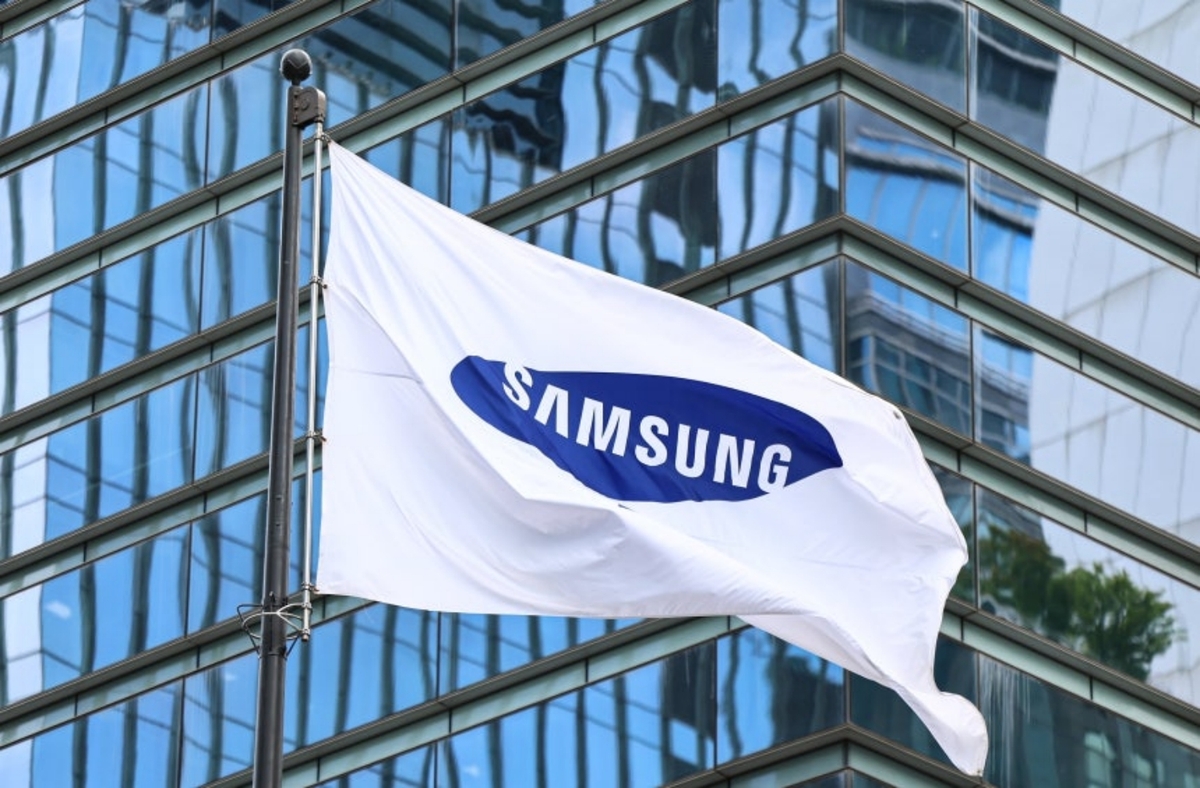
On August 28, 2026, Samsung Electronics closed at 257,000 KRW, down 9,000 KRW (-3.38%) from the previous day, slipping back into the 250,000 KRW range. Despite Nvidia's earnings surprise and JPMorgan raising its target price (from $280 to $320), it failed to defend the stock price in the short term, and concerns over share buyback restrictions due to financial regulation bills continue to act as selling pressure. Next week, investors should keep a close eye on whether other corporations (share buybacks) will maintain large-scale net purchases and the direction of global semiconductor supply and demand reshuffling following Nvidia's earnings release.
Samsung Electronics Stock Price and Market Trends — 2026-08-29
Today's Key Metrics
| Metric | Value | Note |
|---|---|---|
| Closing Price (KRW) | 257,000 KRW | -9,000 KRW (-3.38%) |
| Trading Volume | Data unavailable | Intraday volatility expanded (decline deepened from daily low of 262,000 KRW) |
| Market Capitalization | Data unavailable | KOSPI weight information unavailable |
| 52-Week High/Low | Data unavailable | Information relative to current price unavailable |
| PER / PBR | Data unavailable | Information relative to industry average unavailable |
| Foreign Ownership Rate | Data unavailable | Change from previous day unavailable |
Supply & Demand Trends
- Other Corporations (Share Buybacks, etc.): Samsung Electronics and SK hynix have recently engaged in large-scale share buybacks over six trading sessions (August 20–27), making "other corporations" a major supply-and-demand player in the domestic stock market. During this period, other corporations net-purchased approximately 46 trillion KRW worth of domestic stocks.
- Foreigners and Institutions: Immediately after the market opened on August 27, foreign and institutional investors engaged in a tight tug-of-war, showing mixed movements. Top 1% traders at Mirae Asset Securities net-purchased Samsung Electronics and SK hynix on the 27th right after Nvidia's earnings release, but it is estimated that the overall sentiment shifted to a net-sell stance by the close on the 28th.
Major News and Catalysts
Limited Impact from JPMorgan's Target Price Hike Despite Nvidia Earnings Surprise
Despite JPMorgan raising its target price for Samsung Electronics from $280 to $320 following Nvidia's strong earnings release, Samsung's stock fell 3.38%. This is interpreted as the market reflecting the view that Nvidia's memory chip shortage lasting until 2028 and demands for supply chain diversification will not immediately translate into improved profits for Samsung.
Share Buyback Plans Undermined by Financial Regulation Bill
The fallout continues from Samsung's 90 to 110 trillion KRW shareholder return plan relying more on dividends than share buybacks, which had previously caused the stock to plunge 8.7%. As share buybacks face restrictions due to financial regulation legislation, expectations for short-term supply-and-demand improvements have significantly shrunk.
Concentrated Attacks by Short Sellers
On the very first day Samsung Electronics began its share buybacks, the short selling ratio soared to 8.81% of trading volume, making the company a primary target for short sellers. The short selling ratio on the KOSPI rose to 5.20% in August, adding downward pressure on the stock price despite the share buybacks.
Semiconductor Industry Conditions and Competitor Comparison
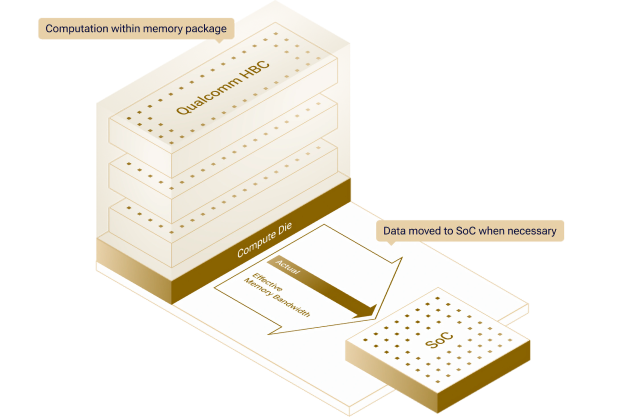
The memory semiconductor industry expects bottlenecks caused by exploding AI demand to persist through 2028, with Nvidia more than doubling its supplier purchase commitments to $279 billion. Samsung has joined Qualcomm as a High Bandwidth Computing (HBC) memory partner and is discussing packaging roles with TSMC, while SK hynix is stepping up competition by pouring $720 billion into AI memory production. At Hot Chips 2026, Samsung unveiled LPDDR5X-PIM (Processing-in-Memory), adopting a strategy to integrate logic functions into the HBM base die, whereas SK hynix is taking a differentiated approach focusing on packaging and thermal control. Additionally, Samsung is pursuing NAND-based High Bandwidth Flash (zHBF) to build a new memory tier for AI inference.

Global Perspective
Global markets are interpreting Samsung's record shareholder return plan as dividend-centric and viewing share buyback restrictions from financial regulation bills negatively. Even though the global AI semiconductor rally has been reignited by Nvidia's stellar earnings, it appears to take time for Samsung to regain global investor confidence, as evidenced by short selling accounting for 8.81% of volume on the very first day of buybacks. The U.S. government is also pressing Samsung Electronics and SK hynix to expand domestic memory chip production and ensure stable supply, leaving geopolitical risks lingering.
Points for Investors to Watch
- Short-term (1 week): Monitor whether other corporations maintain their pace of share buybacks for six consecutive trading sessions, and check if the short selling ratio (currently around 8.81%) declines.
- Medium-term (Q1): The materialization of the HBC memory partnership with Qualcomm and progress in developing zHBF (NAND-based High Bandwidth Flash) will be key catalysts.
- Risk Factors: Risks of reduced share buyback scale due to financial regulation legislation, alongside CAPEX burden pressures from U.S. government demands for expanded domestic production.
Reader Action Items
- Check daily KRX supply-and-demand data to verify whether net purchases of Samsung Electronics by other corporations sustain an average of 1 trillion KRW per day.
- Track whether inflection points occur in memory spot prices through DRAMeXchange or DXI memory indices.
- Check the level of mentions regarding HBM purchase volumes and supply chain diversification in Nvidia's upcoming earnings guidance to indirectly gauge the progress of Samsung's HBM4 certification.
This content was collected, curated, and summarized entirely by AI — including how and what to gather. It may contain inaccuracies. Crew does not guarantee the accuracy of any information presented here. Always verify facts on your own before acting on them. Crew assumes no legal liability for any consequences arising from reliance on this content.
Powered by
