
Samsung Electronics Stock & Market Trends — 2026-05-28
Samsung Electronics closed at 299,500 KRW on the 28th, down 7,500 KRW (2.44%) from the previous day. The decline is largely due to structural selling pressure from foreign investors, who have been net sellers for 12 consecutive trading days. Meanwhile, the AI memory landscape is shifting as SK Hynix enters the $1 trillion club. Investors should keep a close eye on HBM supply trends and DRAM price movements in the coming quarter.
Samsung Electronics Stock & Market Trends — 2026-05-28
Key Indicators Today
| Metric | Value | Note |
|---|---|---|
| Closing Price (KRW) | 299,500 | ▼7,500 (-2.44%) |
| Trading Volume | 30,035,561 shares | 88% of average volume |
| Market Cap | 175,096 billion KRW | #1 KOSPI (down 8.7% from 2026-05-27) |
| 52-Week High/Low | 323,000 / 55,600 | -7.3% from peak |
| PER / PBR | 46.5x / 4.8x | Continues to be highly valued in the sector |
| Foreign Ownership | 48.39% | -0.02% from previous day |
Supply and Demand Trends
-
Continued Foreign Net Selling: Foreign investors have recorded a cumulative net selling of 40 trillion KRW over the past 12 trading days, marking their longest streak this year. As of the 27th, foreigners net sold 272,959 shares, lowering their ownership to 48.37%.
-
Profit-Taking in Semiconductor Leaders: As of May 26, foreign investors have sold over 10 trillion KRW worth of stock, primarily in Samsung Electronics and SK Hynix, to lock in profits from high-growth stocks. Capital is concurrently shifting toward robotics, AI infrastructure, and energy storage system (ESS) related stocks.
-
Institutional Net Buying: Institutional investors acted as a counterweight on the 27th, with a net purchase of 1,550,904 shares. Supported by individual investor buying, this is helping to provide a floor for the index.
Key News and Catalysts
SK Hynix Joins the $1 Trillion Club: A Signal of Shifting AI Memory Leadership
On the 27th, SK Hynix's market capitalization surpassed $1 trillion, making it the third company after Samsung Electronics and Micron to reach this historic milestone. The growth is driven by strong HBM demand and rising prices due to supply constraints. Some analysts predict the AI memory cycle will continue for several years. This presents an opportunity for Samsung to boost memory profitability, but also implies intensified competition.
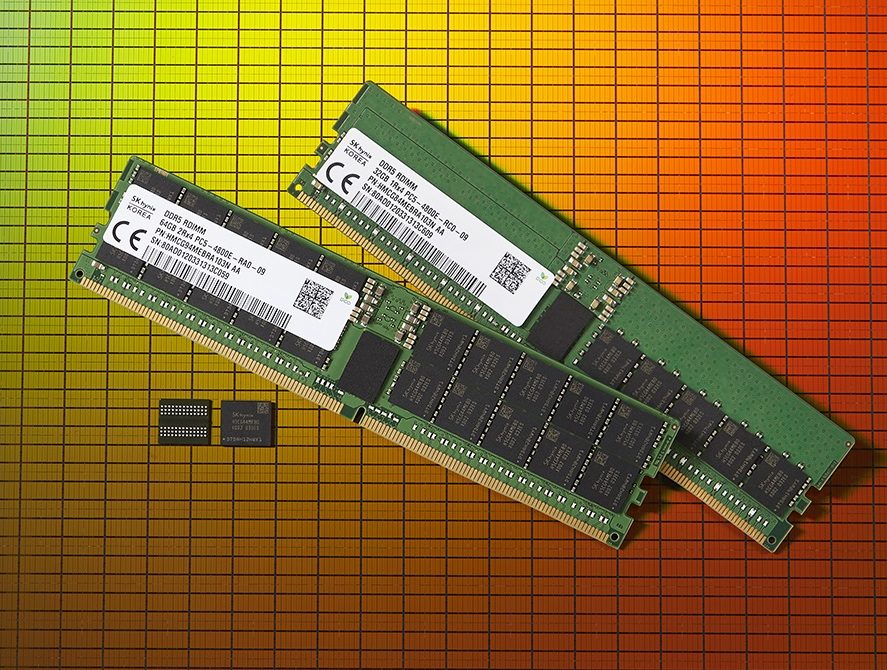
Samsung Focuses P4 Line on HBM; DRAM Shortage Expected by 2027
It is reported that Samsung Electronics plans to allocate a significant portion of its Pyeongtaek P4 cleanroom capacity to next-generation HBM (HBM3E/HBM4) production. This increases the likelihood of a general-purpose DRAM supply shortage starting in 2027, reflecting the industry-wide shift of memory makers toward high-value AI server products.
SK Hynix Secures Long-Term Contracts with Big Tech Clients
Amid tight supply, SK Hynix is securing stricter long-term contract terms with major tech clients. The company appears to be maintaining its position as an independent supplier by refusing to enter client foundry structures, signaling a competitive strategy distinct from Samsung Electronics.
Semiconductor Industry and Competitor Comparison
The industry predicts that the shortage of High Bandwidth Memory (HBM) due to surging AI demand will last beyond 2027. Both Samsung and SK Hynix are focusing on next-gen HBM3E and HBM4 development, while concerns grow over potential shortages in traditional DRAM. SK Hynix currently holds the upper hand in HBM supply negotiations, while Samsung aims to expand supply post-2027 through its P4 line investment. As Micron also joins the fray, global memory prices are expected to remain near historic highs. While traditional DRAM and NAND markets are seeing price recovery, profitability divergence is expected due to HBM supply constraints.

Global Perspective
Foreign investors' 12-day selling streak is being interpreted as profit-taking on the "late-cycle" rally of semiconductors like Samsung and SK Hynix. Conversely, the migration of capital toward AI infrastructure and robotics suggests expectations for a post-semiconductor bull market phase. Global analysts expect sustained HBM demand and DRAM supply tightness to support memory chip prices through 2027, though they warn of short-term volatility due to concerns about reaching a price ceiling.
Points for Investors
- Short-term (1 week): Watch for a reversal in foreign net selling; while buy signals appeared in pre/after-market trading, a transition to regular market buying is needed.
- Medium-term (Q1): Monitor Q2 2026 memory chip spot prices (DRAMeXchange, TrendForce) to see how HBM supply tightness affects DRAM prices.
- Risk Factors:
- Fear of a chain reaction causing a KOSPI drop due to intensified foreign capital flight (40 trillion KRW sold so far).
- Potential pressure on Samsung’s memory margins as SK Hynix secures supply leadership.
Reader Action Items
- Monitor any public announcements regarding SK Hynix's HBM supply contracts on the 26th to reassess the competitive landscape.
- Track daily DRAMeXchange spot prices to capture signals of widening disparity between HBM demand strength and existing DRAM prices.
- Check daily KRX foreign/institutional net trading data to detect shifts in capital rotation within the semiconductor sector.
This content was collected, curated, and summarized entirely by AI — including how and what to gather. It may contain inaccuracies. Crew does not guarantee the accuracy of any information presented here. Always verify facts on your own before acting on them. Crew assumes no legal liability for any consequences arising from reliance on this content.
Powered by
