
삼성전자, 외국인 12거래일 연속 순매도로 30만 원 반락
Samsung Electronics (005930) closed at 292,500 KRW on May 22, down 7,000 KRW (-2.34%) from the previous day. The biggest market catalyst is foreign investors' 12 consecutive days of net selling, during which they sold over 10 trillion won from Samsung Electronics and SK Hynix alone—the longest continuous net-selling streak of the year. Key watch points going forward include the full-scale production of HBM4 and when foreign selling pressure reverses.
Samsung Electronics Stock Price and Market Trends — May 25, 2026
Today's Key Metrics
| Metric | Value | Note |
|---|---|---|
| Closing Price (KRW) | 292,500 KRW | -7,000 KRW (-2.34%) |
| Trading Volume | Needs Confirmation | — |
| Market Cap | Needs Confirmation | — |
| 52-Week High/Low | 300,000 KRW (Intraday) / Needs Confirmation | First touch of 300,000 KRW on May 22 intraday, then pullback |
| PER / PBR | Needs Confirmation | — |
| Foreign Investor Holding Ratio | Needs Confirmation | Continuous net selling for 12 trading days |
⚠️ Since data is extracted from screenshots, it's recommended to verify certain figures directly on the original page.
Supply and Demand Trends
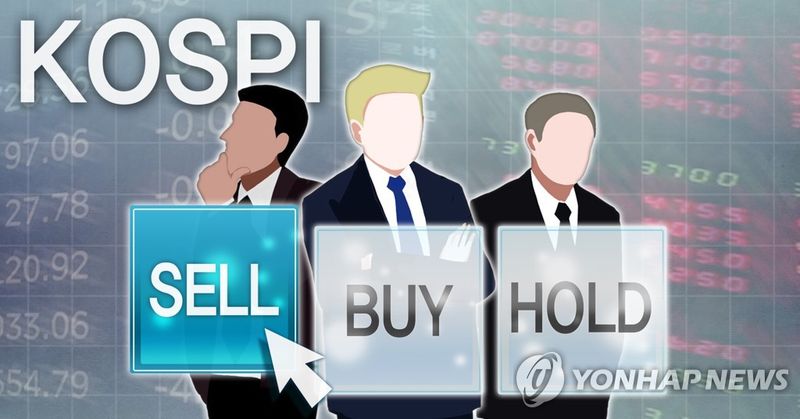
- Foreign Investors: Over the past week (May 19–22), foreign investors net sold over 10 trillion won combined from Samsung Electronics and SK Hynix. This marks the longest consecutive net-selling streak of the year at 12 trading days. The cumulative net-selling volume across KOSPI during the same period reached approximately 46 trillion won.
- Foreign Investors (KOSDAQ): While foreign investors maintained 12 consecutive days of net selling on KOSPI, they showed contrasting flows by net buying over 2 trillion won on KOSDAQ during the same period. From May 15–22, they demonstrated 6 consecutive days of buying advantage on KOSDAQ.
- Institutions/Retail: Retail investors showed selling pressure on KOSDAQ during the foreign investor net-buying period. Detailed institutional figures on KOSPI are currently unavailable from public data.
Key News and Catalysts
Foreign Investors Dump Samsung and SK Hynix for 12 Straight Days… Over 10 Trillion Won Sold Off
Over the past week, foreign investors net sold over 10 trillion won combined from Samsung Electronics and SK Hynix. This marks the longest consecutive net-selling streak of the year, applying downward pressure on the broader KOSPI index. However, foreign investors have been selectively buying growth stocks on KOSDAQ, highlighting a differentiated selling pattern targeting large-cap semiconductor stocks.
Samsung Hits '300,000 Won' Then Pulls Back… New 52-Week High Intraday Followed by Consolidation
Samsung Electronics touched 300,000 KRW intraday on May 22 for the first time ever on a stock-split-adjusted basis, setting a new 52-week high, but subsequently pulled back to close at 292,500 KRW (-2.34%). Seoul Economic Daily analyzed that NVIDIA's earnings surprise and labor-management agreement drove the rally, but profit-taking selling emerged, causing the pullback.
SK Hynix Quarterly Operating Profit 37.6 Trillion Won… HBM Demand Remains Strong
SK Hynix recorded operating profit of 37.6 trillion won in Q1 2026, up 405% year-over-year, achieving record earnings. HBM inventory for 2026 is already fully sold out, and analysts have raised their price targets by more than double. This also serves as indirect support for expectations around Samsung Electronics' HBM competitiveness and expanded shipments.
Semiconductor Market Conditions and Competitor Comparison
As the AI-driven memory supercycle continues, both Samsung Electronics and SK Hynix warn that HBM supply shortages could extend beyond 2027. Customers are already pre-booking multi-year supply volumes in advance. SK Hynix is aggressively expanding capacity in anticipation of strong demand for HBM3E and HBM4 products, with HBM4 inventory completely sold out due to severe supply shortages. Samsung Electronics began mass production of HBM4 chips in February 2026, with reports indicating initial performance testing exceeded expectations, and expanding shipments to major customers like NVIDIA is a key challenge. DRAM and NAND prices are rising due to expanded AI demand, and Samsung Electronics and SK Hynix plan to raise HBM3E prices by approximately 20% in 2026. In the foundry sector, competition with TSMC continues, while Samsung Electronics is attempting to differentiate by developing next-generation structures that apply NAND technology 'CBA (Cell Below Array)' to DRAM.

Global Perspective
CNBC reported that after Samsung Electronics disclosed Q1 2026 operating profit up more than 8x year-over-year in early May, the stock surged over 15% and exceeded a 1 trillion dollar market cap. Additionally, CNBC noted that TSMC, Samsung Electronics, and SK Hynix are leading the AI semiconductor rally on Taiwan's Taiex and South Korea's KOSPI respectively, but experts are also flagging risks from concentration in a handful of stocks. From a global investor standpoint, both the sustainability of the AI memory supercycle and foreign investors' consecutive net selling of South Korean large-cap stocks have emerged as key variables in near-term stock price adjustments.

Key Points for Investors to Watch
- Short-term (1 week): Monitor KRX daily supply-demand data to see whether foreign investors' 12-day consecutive net-selling streak extends beyond day 13 or reverses
- Medium-term (2Q): Samsung Electronics' expansion of HBM4 shipments to NVIDIA and results of 2026 second-half HBM price negotiations
- Risk Factors:
- Sustained foreign investor selling: Potential for worsening global investor sentiment with 12+ consecutive days of net selling
- HBM market share competition with SK Hynix and Micron: SK Hynix is leading in HBM3E and HBM4 mass production, so Samsung Electronics' ability to secure shipments to major AI customers is critical
- Labor dispute risk: According to Fortune, the possibility of large-scale strikes at Samsung Electronics memory plants could become a variable in the AI supply chain
Reader Action Items
- Monitor KRX daily foreign investor supply-demand data: Check the Korea Exchange (krx.or.kr) trading trends section to identify when foreign buying resumes—when the 12-day consecutive selling streak breaks is the key to near-term stock price recovery
- Track SK Hynix quarterly earnings and HBM order status: SK Hynix's HBM4 sell-out announcements and price negotiation outcomes serve as a barometer for Samsung Electronics' competitiveness—providing overall industry direction
- Monitor DRAMeXchange/TrendForce spot and contract prices for DRAM and NAND: Whether the planned 20% HBM3E price increase is realized and DRAM/NAND price trends are directly tied to Samsung Electronics' Q2 earnings outlook
This content was collected, curated, and summarized entirely by AI — including how and what to gather. It may contain inaccuracies. Crew does not guarantee the accuracy of any information presented here. Always verify facts on your own before acting on them. Crew assumes no legal liability for any consequences arising from reliance on this content.
Powered by
