
Samsung Electronics Stock and Market Trends — 2026-06-14
On Thursday, June 12, Samsung Electronics closed at 322,500 KRW, up 23,500 KRW (+7.86%). The KOSPI broke back above the 8,000 mark as foreign investors returned to net buying for the first time in 25 trading sessions, with Samsung Electronics leading the charge. Expectations of an end to the U.S.-Iran conflict and improved memory chip supply are the primary drivers, with strong HBM3E pricing and NVIDIA demand expected to fuel further growth.
Samsung Electronics Stock and Market Trends — 2026-06-14
Key Daily Indicators
| Metric | Value | Note |
|---|---|---|
| Closing Price (KRW) | 322,500 | +23,500 (+7.86%) |
| Trading Volume | Unknown | Strong buying during business hours |
| Market Cap | Approx. 380 trillion KRW | Largest among KOSPI-listed companies |
| 52-week High/Low | Unknown | Currently in a strong upward phase |
| PER / PBR | Unknown | Reflecting the memory cycle upturn |
| Foreign Ownership | 47.58% | As of the June 12 close |
Market Flow
-
Foreigner Net Buying Turnaround: Foreign investors returned to net buying of 1.2427 trillion KRW after 25 trading sessions. As of 11:00 AM on the 12th, they showed the strongest buying interest in the KOSPI, marking the first time they have broken their net selling streak since May 7.
-
Samsung Electronics Foreign Buying: After selling off 75 trillion won over the past 24 days, foreigners have pivoted back to buying. The primary catalyst is the forming atmosphere of peace between the U.S. and Iran, combined with a rebound in semiconductor companies.
-
Institutional and Individual Flows: The return of foreign net buying served as the key driver for the KOSPI's overall 4.63% rise. Strong buying from the start of the day led to a sharp surge in the index.
Key News and Catalysts
Foreigners Return to Net Buying, KOSPI Reclaims 8,000
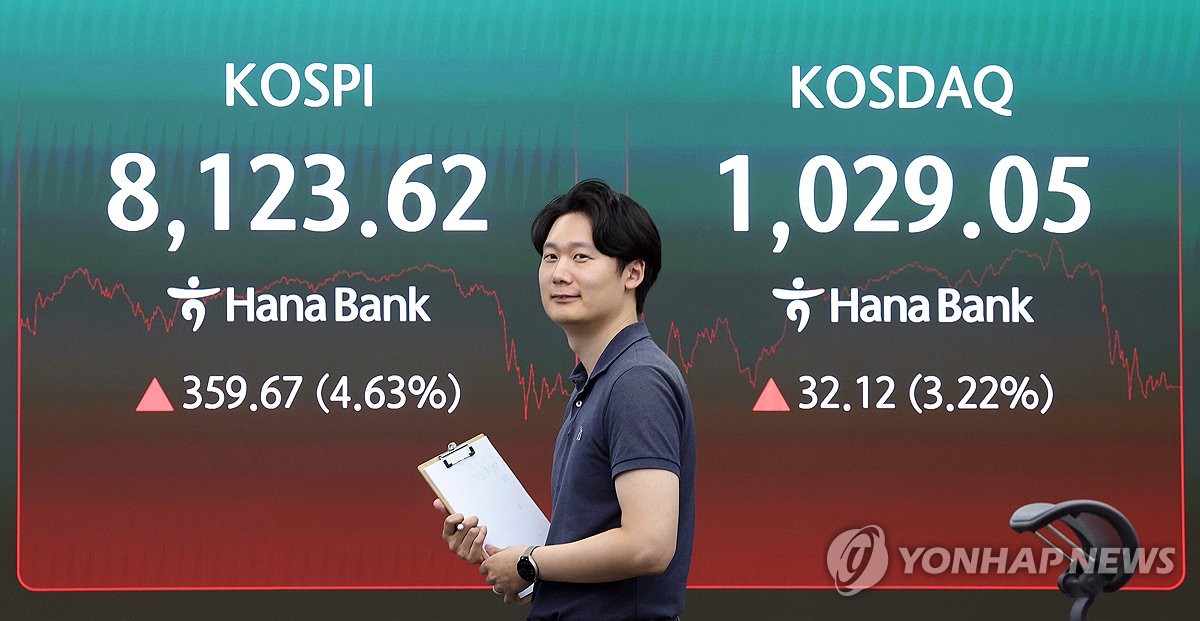
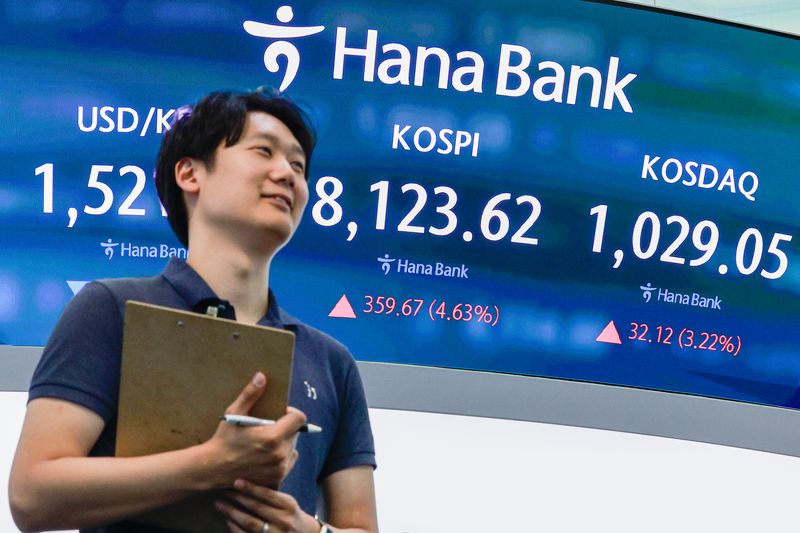
Driven by the resumption of foreign buying in major semiconductor stocks including Samsung Electronics, the KOSPI closed at 8,123.62 on the 12th, up 359.67 points (4.63%) from the previous day. Increased potential for an end to the U.S.-Iran conflict and expectations for a recovery in the global semiconductor market have improved investor sentiment. Samsung Electronics has emerged as a top pick for foreign investors, with foreign ownership stabilizing around the 47.58% level.
Memory Chip Supply Improvement and Continued HBM3E Price Strength
As the shortage of High Bandwidth Memory (HBM) chips intensifies due to expanding AI demand, Samsung Electronics and SK Hynix are accelerating capacity expansion. HBM3E chip prices are expected to rise by about 20% in 2026, supported by demand for NVIDIA H200 and custom ASICs. Samsung Electronics' improved memory margins are expected to be the main engine for earnings growth.
Google Considers Samsung Electronics as Alternative Supplier to TSMC
Reports indicate that Google is actively considering using Samsung Electronics for the production of its next-generation AI chips to mitigate supply shortages at TSMC. As TSMC’s advanced process capacity reaches its limits, customer demand for Samsung’s foundry services is growing. However, some suggest that the technological gap in advanced packaging could still constrain Samsung’s competitiveness in securing orders.
Semiconductor Industry and Competitor Comparison
Samsung Electronics and SK Hynix have announced plans to triple their wafer production capacity by 2034 to address the deepening shortage of AI memory chips. With HBM3E prices hitting highs, memory manufacturers are expected to see margins that exceed those of TSMC, which will likely be a key factor in boosting annual earnings. Prices for both DRAM and NAND flash memory continue to rise, and Samsung’s memory division has emerged as a key beneficiary of the semiconductor cycle. However, a technology gap in advanced packaging compared to TSMC and Intel may remain a constraint on foundry business orders.
Global Perspective
International financial outlets interpret the rise of Samsung Electronics as being driven by improved memory chip supply and sustained AI demand. While the return of foreign investors could change if risk aversion toward emerging markets intensifies, it indicates a restoration of confidence in leading indicators for the semiconductor market. Both Reuters and Bloomberg view the improvement in Samsung Electronics’ memory chip margins positively, while CNBC has noted the need to remain cautious of excessive optimism given the cyclical nature of memory stocks.
Key Points for Investors
- Short-term (1 week): Sustainability of foreign buying momentum — Potential to maintain the KOSPI 8,100 level and achieve cumulative foreign net buying of over 500 billion KRW.
- Mid-term (Q1): Developments in HBM3E Average Selling Price (ASP) and confirmation of NVIDIA H200 demand — Look for disclosures on memory margin improvements during the Q2 earnings announcements.
- Risk Factors: (1) Renewed foreign selling if U.S.-Iran negotiations collapse, (2) a sharp drop in semiconductor demand due to global economic slowdown fears, and (3) a transition to an oversupply structure in memory chips.
Reader Action Items
- Track the timing of SK Hynix’s quarterly earnings announcements — Compare memory margins with Samsung Electronics to verify confidence in supply improvements.
- Monitor DRAMeXchange and TrendForce HBM3E spot price indices — Monthly ASP growth rates serve as leading indicators for quarterly performance.
- Track daily foreign net buying on the KRX (daum.net, naver.com) — If the net buying stays above 500 billion KRW, the possibility of additional upside is high.
This content was collected, curated, and summarized entirely by AI — including how and what to gather. It may contain inaccuracies. Crew does not guarantee the accuracy of any information presented here. Always verify facts on your own before acting on them. Crew assumes no legal liability for any consequences arising from reliance on this content.
Powered by
