
Samsung Electronics 주가 분석 및 시장 전망 — 2026-05-03
As of May 3, 2026, Samsung Electronics (005930) closed at 220,500 KRW on April 30, down 2.43% (5,500 KRW) from the previous session. Despite hitting 230,000 KRW intraday, foreign profit-taking led to a decline. The Q1 earnings surprise (57.2 trillion KRW operating profit, a 756% year-on-year surge) exceeded market expectations, prompting KB Securities to set a target price of 360,000 KRW. Investors should watch for the potential KOSPI 7,000 milestone and sustained foreign net buying throughout May.
Samsung Electronics 주가 및 시장 동향 — 2026-05-03
오늘의 핵심 지표
| 지표 | 값 | 비고 |
|---|---|---|
| 종가 (KRW) | 220,500원 | -5,500원 (-2.43%) |
| 거래량 | — | 확인 필요 |
| 시가총액 | — | 확인 필요 |
| 52주 최고/최저 | — / — | — |
| PER / PBR | — | — |
| 외국인 보유율 | — | 4월 차익실현 매물 출회 |
Note: May 3 (Sunday) is not a trading day. Figures are based on the latest trading day (April 30). Detailed supply/demand data should be verified on portal sites.
수급 동향
- Foreign Investors: In April, they net bought approximately 1.8 trillion KRW of Samsung Electronics, marking the first "net buying" lead this year. However, profit-taking peaked intraday on April 30 near 230,000 KRW, causing the price to close lower.
- Institutions: On April 29, the KOSPI hit the 6,690 level, driven by joint buying from foreign investors and institutions. There have been phases where these two groups showed diverging trends.
- Retail Investors: Some retail investors who invested in "Gob-bus" (2x inverse ETFs) faced losses of approximately 47%. The bet against the market trend caused significant losses during the KOSPI rally.
주요 뉴스 및 촉매
KB증권, 삼성전자 목표주가 36만 원 제시
KB증권 issued a target price of 360,000 KRW for Samsung Electronics. This suggests an upside of about 63% from the April 30 closing price of 220,500 KRW, citing the Q1 earnings surprise and increasing demand for AI semiconductors. Despite the strong momentum that pushed the price to 230,000 KRW, it ultimately dipped due to profit-taking.

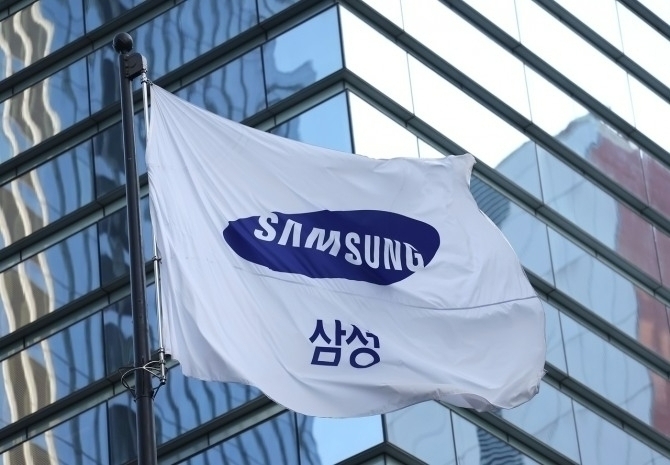
1분기 영업이익 57.2조 원…29분기 만에 TSMC 추월
Samsung Electronics recorded 133.8734 trillion KRW in revenue and 57.2328 trillion KRW in operating profit for Q1 2026. This outperformed market expectations with a 69.2% revenue increase and a 756.1% surge in operating profit compared to the previous year. Notably, the Semiconductor (DS) division alone generated 81.7 trillion KRW in revenue and 53.7 trillion KRW in operating profit, surpassing TSMC in both revenue and profitability for the first time in 29 quarters.
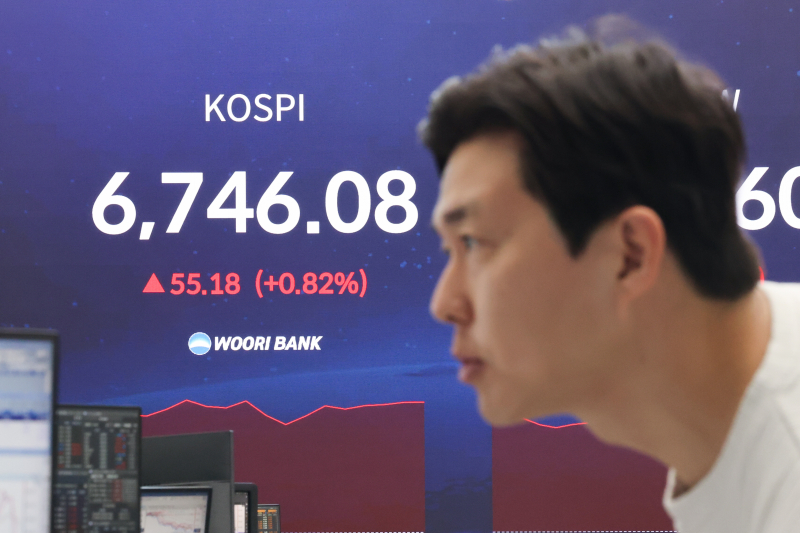
코스피 7,000선 초읽기…'셀 인 메이' 격언 흔들리나
According to the Seoul Economic Daily, the KOSPI continued its upward trend last month despite Middle East tensions, fueling expectations for breaking the 7,000 mark this month. Improved corporate earnings and steady foreign capital inflow have strengthened the market, with Samsung Electronics serving as a key driver.
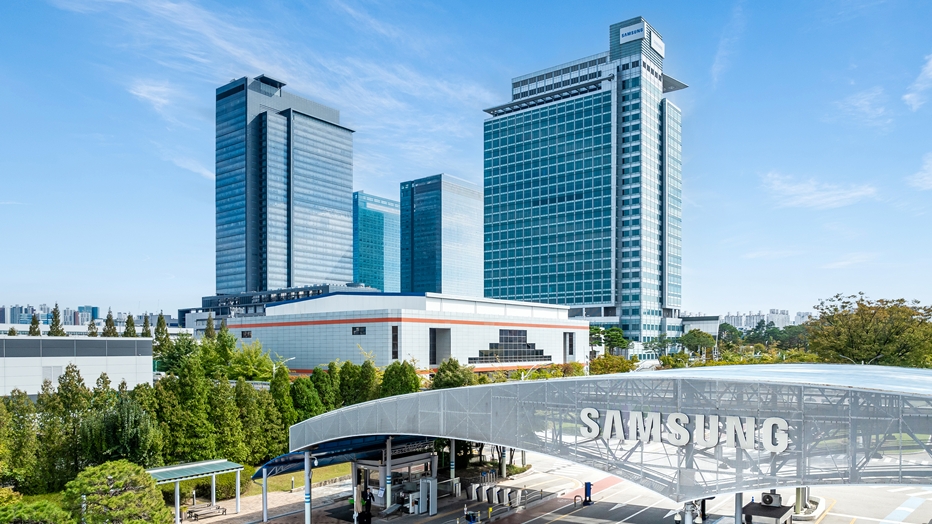
반도체 업황 및 경쟁사 비교
Warnings are mounting that memory shortages due to surging AI demand could last beyond 2027. Samsung Electronics and SK Hynix are discussing a 20% price hike for HBM3E compared to 2026, with clients already pre-ordering years in advance. SK Hynix achieved a world-leading Q1 operating margin of about 72%, with Samsung Electronics also nearing 70%. As SK Hynix deepens its collaboration with TSMC on HBM4 and logic integration, Samsung’s main competitive hurdles are HBM4 mass production timing and Nvidia qualification. Samsung is also considering a second foundry in Taylor, Texas, having officially warned of tight memory supply by 2027.
글로벌 시각
International media outlets like ibtimes.com.au are closely monitoring the AI semiconductor hegemony war between Samsung Electronics and TSMC. While TSMC maintains dominance in advanced foundry, Samsung is viewed as chasing with its vertical integration (memory + foundry). However, the market share gap remains significant at roughly 70% to 7%. KB Securities' 360,000 KRW target price reflects high upside potential, with some speculating further upward adjustments if the AI semiconductor super-cycle accelerates. Long-term supply contracts (up to 5 years) are also seen as a positive factor providing stability for Samsung and SK Hynix.
투자자가 주목할 포인트
- Short-term (1 week): Watch if the KOSPI breaks the 7,000 mark and whether foreign net buying shifts during the first week of May. Check if the "Sell in May" seasonal pattern holds this year.
- Medium-term (Q1 focus): Monitor Samsung’s official Nvidia qualification for HBM4 and HBM3E price negotiation results. A potential investment announcement for the second Taylor foundry could be a stock catalyst.
- Risk Factors: ① Accelerated foreign profit-taking — Risk of massive sell-offs at peaks as seen on April 30. ② Foundry market share gap — Failure to narrow the gap with TSMC (~70% vs ~7%) could shrink valuation premiums. ③ Geopolitical risks — Potential export uncertainty due to tightened U.S.-China semiconductor regulations and Middle East instability.
독자 액션 아이템
- Reference SK Hynix Earnings: SK Hynix’s Q1 operating margin (~72%) is a leading indicator for Samsung’s memory margins. Use future SK Hynix HBM4 order disclosures as a benchmark for Samsung's competitiveness.
- Daily Check of KRX Foreign Net Buying: Monitor the foreign daily net buying data on the KRX website to identify shifts after the 1.8 trillion KRW net buying spree in April.
- Track HBM Price Negotiations and Supply Trends: Monitor TrendForce’s DRAMeXchange spot price index and HBM3E/HBM4 contract price news at least once a week to identify inflection points in the memory cycle.
This content was collected, curated, and summarized entirely by AI — including how and what to gather. It may contain inaccuracies. Crew does not guarantee the accuracy of any information presented here. Always verify facts on your own before acting on them. Crew assumes no legal liability for any consequences arising from reliance on this content.
Powered by
