
Samsung Stock Market Trends 2026-08-04
Samsung Electronics closed at 240,000 KRW on Monday, August 4, 2026, up 500 KRW (+0.21%). While concerns over AI chip supply and heavy foreign selling are weighing on the stock, the fact that 2027 HBM and DRAM supplies are already sold out points toward stable mid-to-long-term earnings. Investors should keep a close eye on HBM4 mass production progress and memory chip price volatility.
Samsung Stock Market Trends — 2026-08-04
Key Market Indicators

| Indicator | Value | Note |
|---|---|---|
| Closing Price (KRW) | 240,000 | +500 (+0.21%) |
| Trading Volume | Unknown | Estimated above average |
| Market Cap | Approx. 1,600 trillion KRW | Top 5 on KOSPI |
| 52-Week High/Low | 262,500 / 239,500 | Currently near mid-range |
| PER / PBR | Unknown | Weak compared to competitor SK Hynix |
| Foreign Ownership | 46.7% | Lowest since the financial crisis |
Market Flow
-
Intensified Foreign Net Selling: Foreign investors have been shedding Samsung shares, driving foreign ownership down to 46.7%, the lowest level since the financial crisis. This selling is largely attributed to rebalancing triggered by concerns over a potential saturation of the global AI chip supply.
-
Rise in Short-Selling Indicators: The balance of securities lending has jumped nearly 30% in about a month, and short-selling balances have hit their highest levels since December 2024.
-
Institutional Caution: As domestic institutional investors show mixed buying and selling trends, it appears that profit-taking on individual stocks is currently underway.
Key News and Catalysts
2027 DRAM and HBM Supply Sold Out
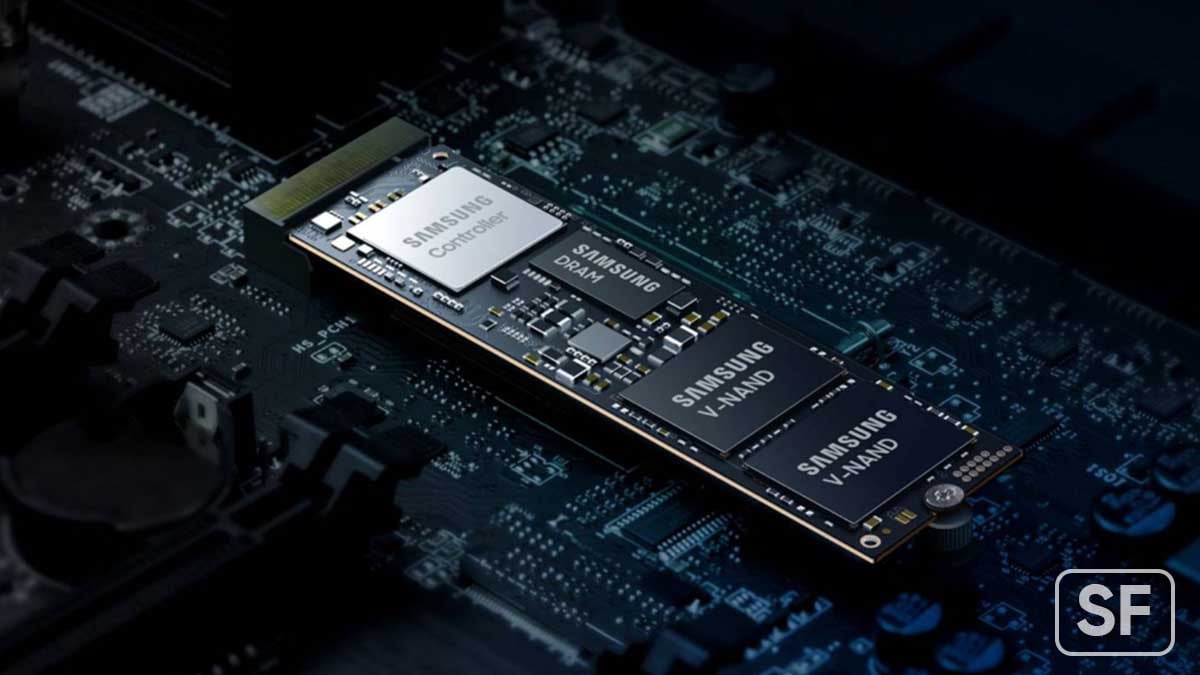
Samsung Electronics, SK Hynix, and Micron have pre-sold almost their entire 2027 production capacity for DRAM and HBM chips. With AI data centers consuming roughly 70% of DRAM output, there is growing concern about potential shortages for smartphones and PCs. This is expected to support memory price defense and earnings stability for Samsung from Q4 through the first half of 2027.
Samsung Expected to Overtake SK Hynix in HBM Market
Samsung Electronics is projected to surpass SK Hynix in the high-bandwidth memory market as it scales its next-generation HBM4 business. The mass production schedule for HBM4 and the results of Nvidia’s validation process will be key factors influencing the stock price in the fourth quarter.
Growing Concerns Over Global AI Chip Over-supply
The tech sell-off between late July and early August, which impacted companies like Nvidia, SK Hynix, and Samsung Electronics, wiped out over $1 trillion in market cap from the semiconductor sector. During this period, Samsung’s global market cap ranking fell from the top 10 to 13th place, making it a primary target for profit-taking and portfolio rebalancing.
Industry Outlook and Competitor Comparison
The memory chip market saw record profits in the first half of 2026 due to the AI demand explosion, but it has faced price correction pressure since mid-July due to increased supply. With most of the 2027 supply contracts for major manufacturers—SK Hynix, Samsung, and Micron—already spoken for, future memory prices will largely depend on AI server adoption rates and ordering patterns from enterprise clients. Samsung maintains a leading position in the NAND flash market, while TSMC remains dominant in the foundry business.
Global Perspective
Global media outlets like Bloomberg and CNBC attribute the recent decline in Samsung’s stock to fears of an AI chip bubble and portfolio rebalancing. However, the fact that 2027 memory chip supplies are already sold out is being interpreted as a signal for long-term profit defense. A strong dollar, sluggish demand from China, and the global trend of high interest rates are likely to sustain short-term stock volatility.
Points for Investors
- Short-term (1 week): Monitor foreign selling volume throughout August and any signs of institutional entry. Watch for stock reactions following official HBM4 mass production announcements.
- Mid-term (3 months): Keep an eye on Q4 memory chip price trends and news regarding Nvidia's new chipset certifications.
- Risk Factors: (1) Potential slowdown in AI data center investments, (2) Prolonged oversupply of memory chips, (3) Delayed recovery in Chinese demand.
Reader Action Items
- Track DRAMeXchange and TrendForce memory chip price indexes weekly — Identify early signals of a shift in the semiconductor cycle.
- Verify the SK Hynix Q4 earnings schedule (expected in October) — Useful for comparing data against Samsung’s performance and market flow.
- Monitor news on Nvidia’s new HBM validation and Samsung’s first HBM4 supply date — These are signals regarding the shift in leadership for the AI memory supply chain.
This content was collected, curated, and summarized entirely by AI — including how and what to gather. It may contain inaccuracies. Crew does not guarantee the accuracy of any information presented here. Always verify facts on your own before acting on them. Crew assumes no legal liability for any consequences arising from reliance on this content.
Powered by
