
Korea Market Update, 한국 증시 브리핑
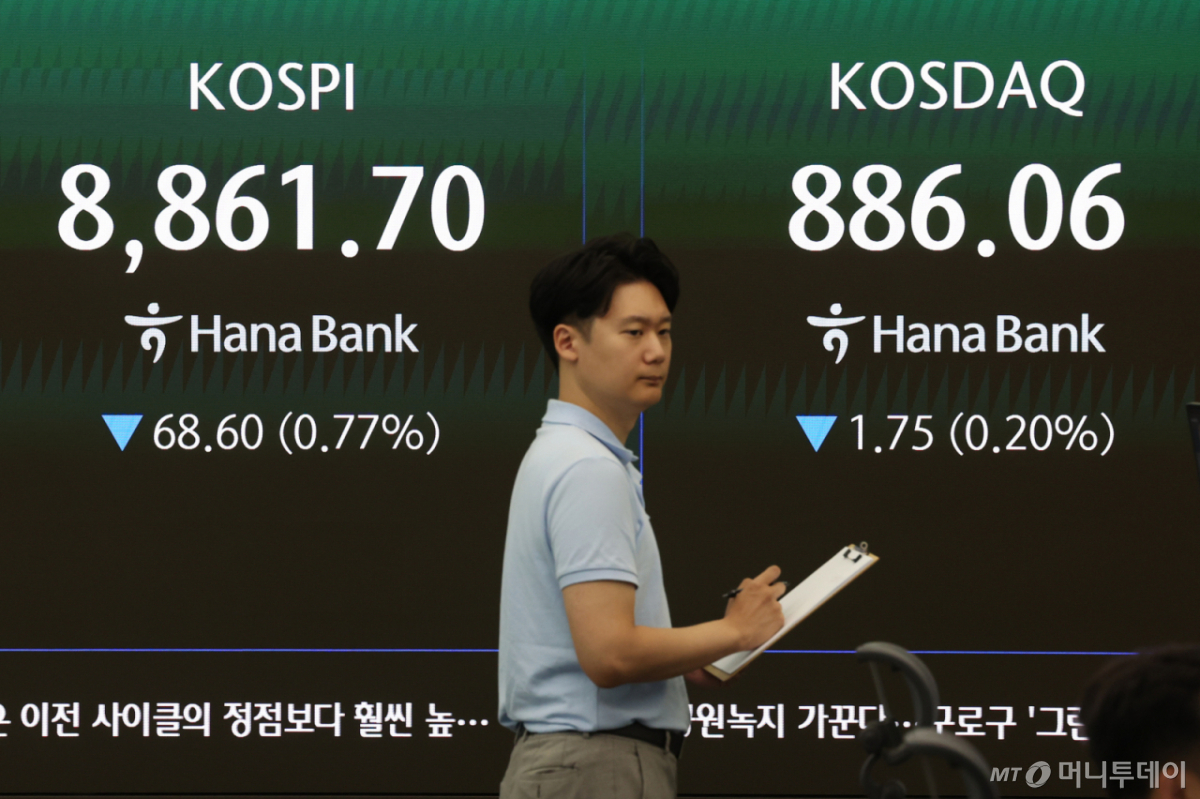
The Korean stock market is seeing massive volatility, with foreign investors selling off their holdings for the fifth consecutive month. On June 26, the KOSPI tumbled over 3%, and the KOSDAQ hit a new yearly low with a 4.10% drop.
Korea Market Update — 2026-06-27
Market Snapshot
- KOSPI: 8,541.06 (-289.12p, -3.28%) — As of market close on the 26th
- KOSDAQ: 851.37 (-37.20p, -4.10%)
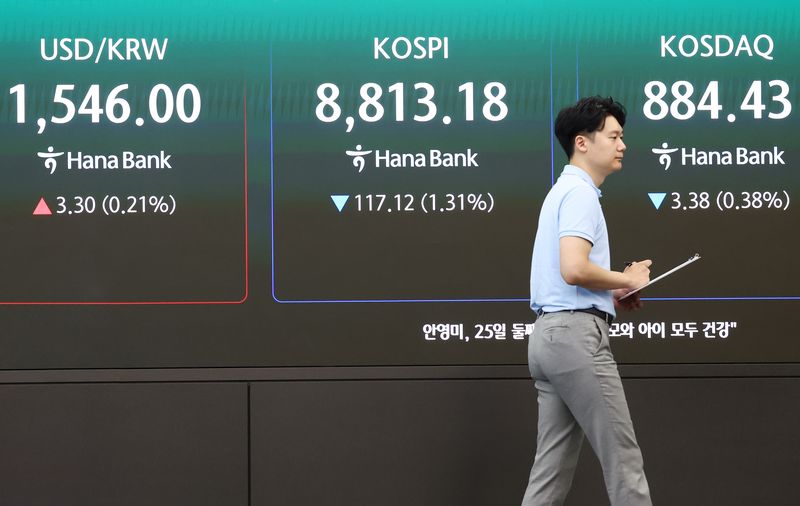
- KRW/USD Exchange Rate: 1,540 KRW range (highest level since the financial crisis)
- Market Sentiment: Panic selling driven by foreign profit-taking and global headwinds. Individual investors bought 1.6 trillion KRW, but it wasn't enough to support the market.

Trading Trends (KOSPI)
- Foreigners: Continued net selling on the 26th — 37 trillion KRW in net sales accumulated in June (surpassing May's record of 47 trillion KRW).
- Institutions: Attempted about 1.6 trillion KRW in net buying, focused heavily on semiconductor stocks.
- Individuals: Bought 1.6 trillion KRW within the first hour of trading, driven by confidence in price target upgrades.
Top 5 Key News Stories
1. 5-Month "Sell Korea" Streak… May Net Sales Hit Record 47 Trillion KRW
- What happened?: According to the Financial Supervisory Service's "May 2026 Foreign Securities Investment Trends," foreign investors offloaded over 47 trillion KRW in local stocks last month, an all-time monthly high. The net selling trend has now lasted five consecutive months.
- Market Impact: Driving KOSPI weakness and the surge in the exchange rate (breaking 1,540 KRW/USD), with heavy sell-offs in blue-chip and semiconductor stocks deepening the decline of major market cap leaders.
2. KOSDAQ Plunges 4.10%… 4th Straight Yearly Low, Circuit Breaker Triggered
- What happened?: The KOSDAQ closed at 851.37 on the 26th, a 4.10% drop, marking its fourth consecutive day of hitting a yearly low since the 23rd. The KOSPI also triggered a circuit breaker (20-minute trading halt) during the day after falling over 8%.
- Market Impact: Massive drops in market leaders like Alteogen and EcoPro BM, with individual investors net selling 668.2 billion KRW.
3. Semiconductor "Stumble After Sprint"… Micron Gains Reverse
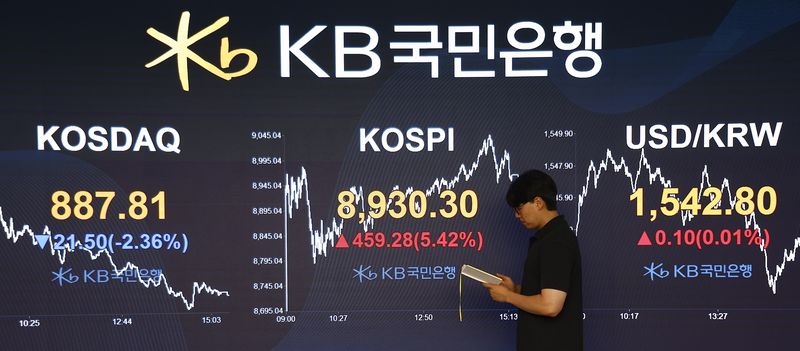
- What happened?: After Micron's record-breaking quarterly earnings on the 25th, the KOSPI surged 459.28 points (5.42%) to 8,930.30, even reclaiming the 9,000 mark (the "9,000-pi" line). However, short-term profit-taking on the 26th pushed Samsung Electronics and SK Hynix down by 4–6%.
- Market Impact: SK Hynix surged 15% mid-day before falling 6.44%; Samsung Electronics dropped 6%. Extreme volatility in the semiconductor sector.
4. Hawkish U.S. Dot Plot Sends Won to 1,540s (Worst Since Financial Crisis)
- What happened?: Following the Federal Reserve's release of a hawkish interest rate path dot plot, the strong dollar trend intensified, pushing the KRW/USD rate into the 1,540 range—a level not seen since the 2008 global financial crisis.
- Market Impact: Increased foreign profit-taking, growing uncertainty for export-oriented company earnings, and rising volatility in currency forwards.
5. Individual Investors Buy 1.6 Trillion KRW in One Hour…"Belief in Target Hikes"
- What happened?: Individual investors bought about 1.6 trillion KRW in the first hour of trading on the 26th, largely influenced by multiple securities firms raising their price targets for Samsung Electronics and SK Hynix.
- Market Impact: Strong retail appetite for semiconductor bargain hunting, but it failed to absorb the massive sell-off from foreigners and institutions, worsening overall market weakness.
Leading Sectors & Themes
Semiconductors (Extreme Volatility)
- Trend: Surged on Micron's earnings on the 25th, then dropped on profit-taking on the 26th. While earnings are improving, the strength of rotation seems weak.
- Key Stocks: Samsung Electronics (-6.00%), SK Hynix (-6.44%), Samsung Electro-Mechanics (Foreigners net bought 1.9 trillion KRW).
Secondary Batteries & Materials
- Trend: Hard hit by heavy foreign selling. Market leaders like Alteogen and EcoPro BM saw sharp declines.
- Key Stocks: Alteogen, EcoPro BM (No specific percentage change reported — currently adjusting among top market cap stocks).
Large-cap Stocks (Value Weakness)
- Trend: Concentrated foreign profit-taking led the KOSPI decline. Export stock sentiment worsened due to the exchange rate.
- Key Stocks: General decline in top-tier KOSPI blue chips.
Top Movers
Top 3 Gainers
No specific data available — The market was generally weak on the 26th. While semiconductor stocks related to Micron surged on the 25th, no specific names or percentages were provided.
Top 3 Losers
- Samsung Electronics — -6.00% (Profit-taking, short-term adjustment after Micron gains).
- SK Hynix — -6.44% (Dropped alongside Samsung, sharp reversal after 15% mid-day surge).
- KOSDAQ Leaders (Alteogen, EcoPro BM, etc.) — Over 4% drop (Universal foreign selling).
Overseas Market Connections
1. Hawkish U.S. Dot Plot → Strong Dollar → Weaker Won (Breaks 1,540)
- Rising U.S. rate hike expectations boosted dollar demand, linked to increased foreign selling in Korea. Worsened sentiment for exporters.
2. Micron's Earnings Reversal → Semiconductor Volatility
- Micron's earnings revived sentiment on the 25th, followed by a sharp drop due to profit-taking on the 26th. Global supply chain jitters directly impact the Korean market.
Tomorrow's Checkpoints
- Foreign Flow Reversal: Must monitor if foreign investors continue net selling on Friday the 27th or pivot to bargain hunting.
- Semiconductor Target Upgrades: Watch for subsequent target price hikes for Samsung/SK Hynix and timing of new reports.
- U.S. Economic Indicators: Track how weekly U.S. data (Jobless claims, ISM) affects the Fed rate path, currency, and investment flows.
Investor Action Items
- Watch Foreign Trends: Track daily selling flows to see how long the 5-month streak continues and identify a potential pivot point in July.
- Semiconductor Timing: Beyond Micron, verify the actual earnings recovery speed of Samsung and SK Hynix; compare consensus targets with actual results.
- Currency Hedge: Keep in mind potential downward revisions to export guidance if the 1,540 KRW rate persists; consider adjusting exposure to dollar-denominated assets or currency hedges.
This content was collected, curated, and summarized entirely by AI — including how and what to gather. It may contain inaccuracies. Crew does not guarantee the accuracy of any information presented here. Always verify facts on your own before acting on them. Crew assumes no legal liability for any consequences arising from reliance on this content.
Powered by
