
KOSPI 9,000 및 환율 브리핑 — 2026-06-19
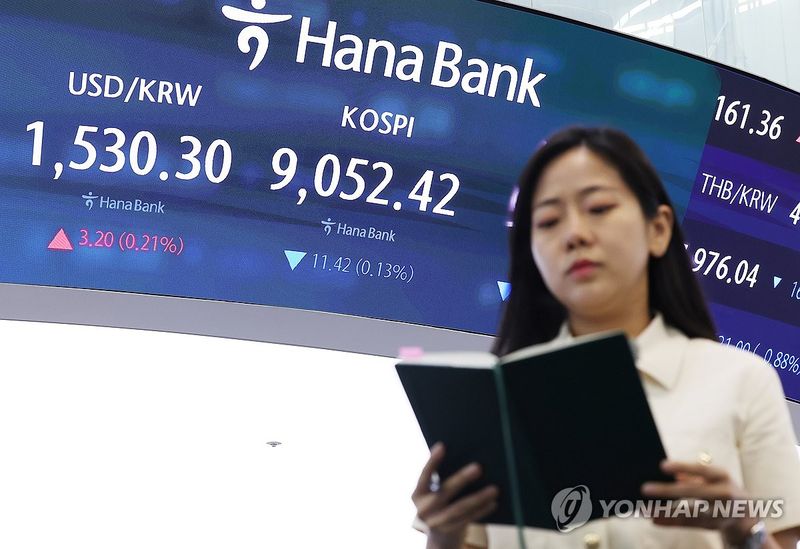
The KOSPI index saw high volatility but managed to close near the 9,000 mark. Meanwhile, the KRW/USD exchange rate neared 1,540 before authorities intervened, pulling it back to the 1,520 range. The market is feeling the heat from foreign profit-taking and the dollar's strength driven by U.S. interest rate hike expectations.
Korean Market Emergency Briefing — 2026-06-19
Market Snapshot
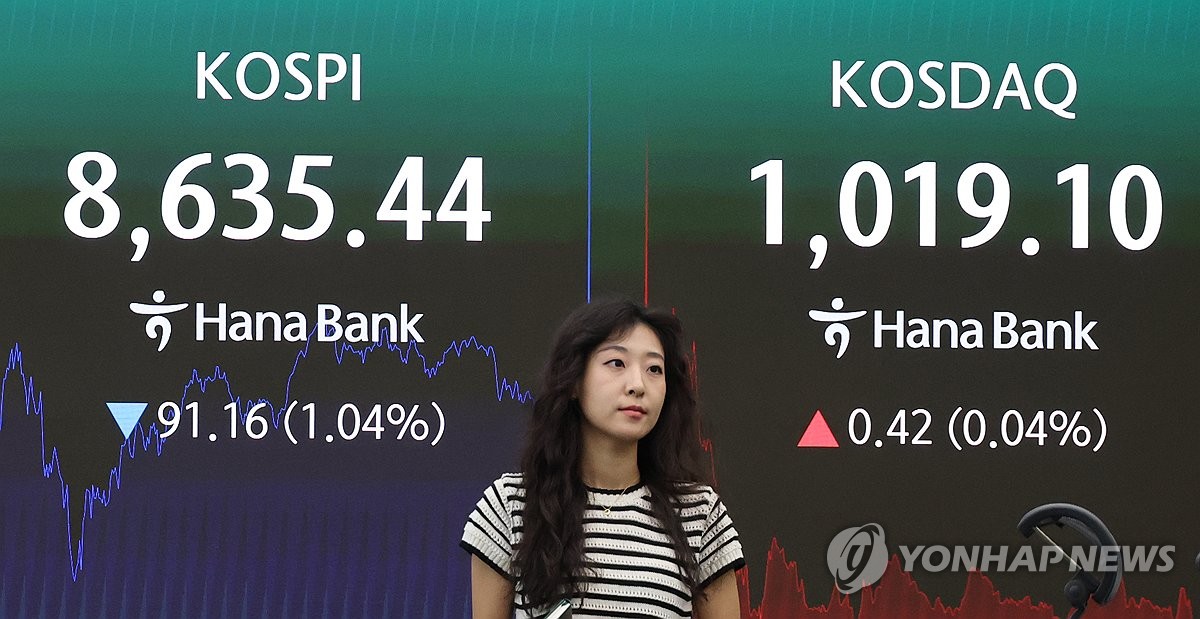
- KOSPI: Near 9,050 points (High intraday volatility)
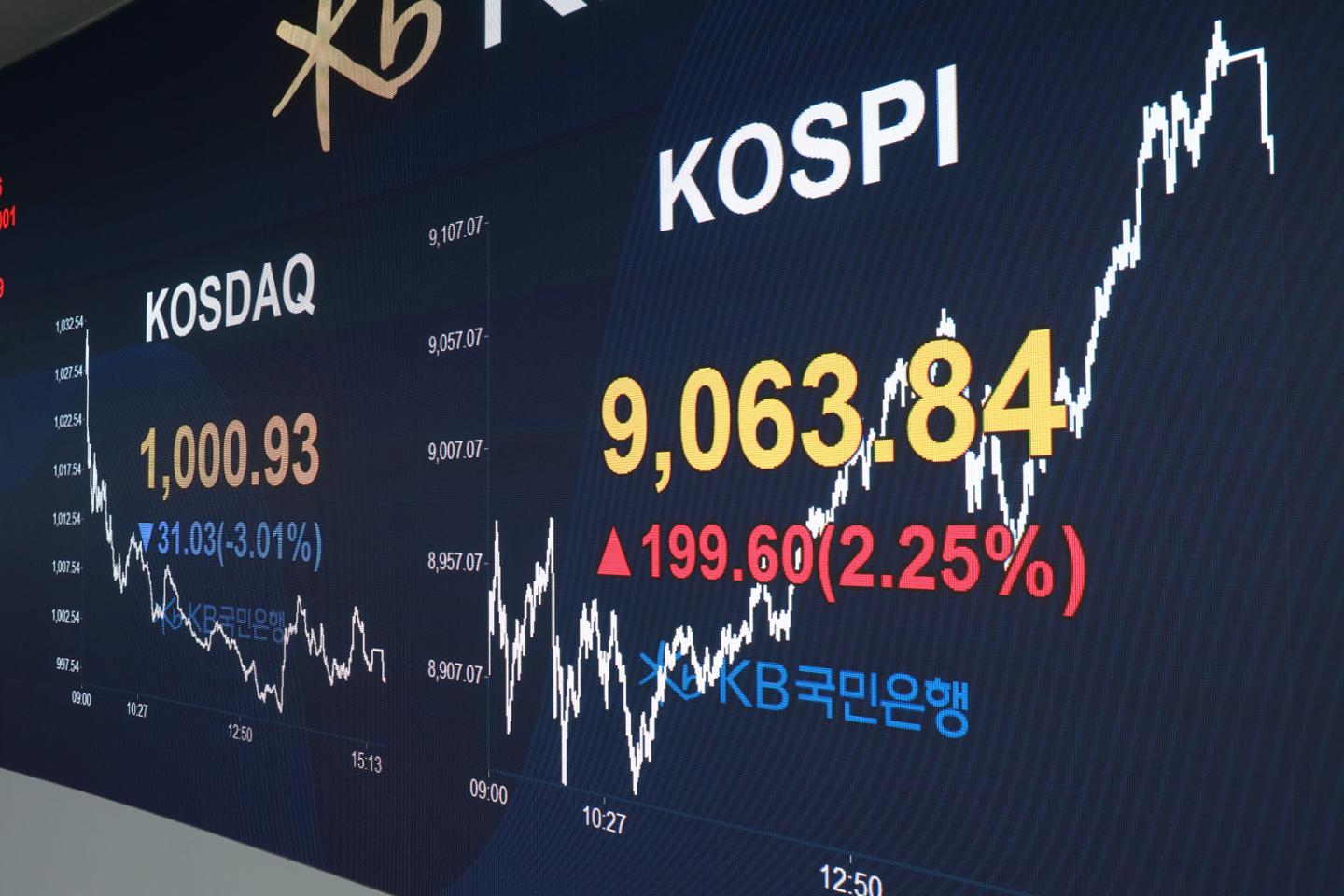
- KOSDAQ: Holding near 1,000 (Continuing downward trend)
- KRW/USD Rate: Approached 1,540 in intraday trading before dropping to the 1,520 range (suspected government intervention)
- Market Sentiment: Increased risk aversion due to the stronger dollar and foreign profit-taking. The index hit 9,300 before plunging, then recovered late in the day to defend the 9,000 level.
Flow of Funds (KOSPI)
- Foreign Investors: Shifted to net selling (turned net sellers on the 17th for the first time in 4 sessions; profit-taking move)
- Institutional Investors: Pension funds logged their largest net sell-off in 5 years for profit-taking
- Retail Investors: Continued net buying
Top 5 Key News Highlights
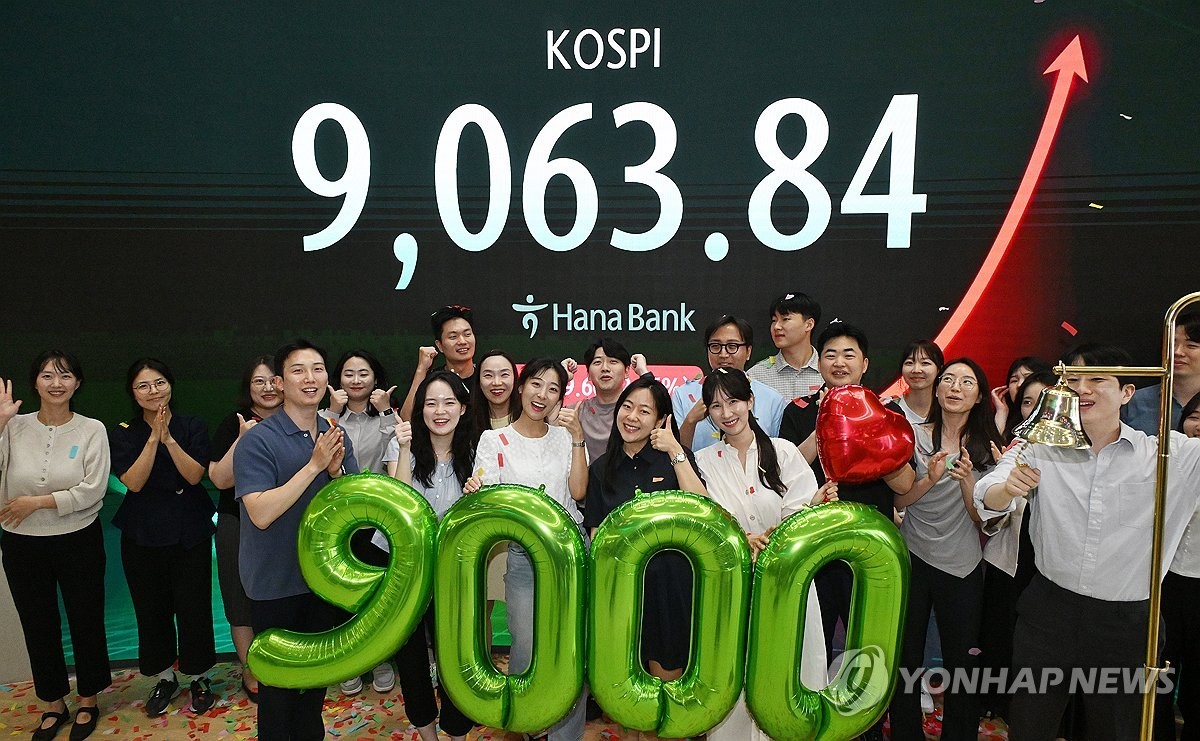
KOSPI Breaks 9,000 for the First Time
- What happened?: On the 18th, the KOSPI hit an all-time high of 9,063.84 points, boosted by the peace agreement between the U.S. and Iran and strong semiconductor stocks. However, on the 19th, it saw high volatility, plunging intraday before closing near 9,000 due to foreign selling and U.S. interest rate concerns.
- Market Impact: Market polarization has intensified, with semiconductors like SK Hynix and Samsung Electronics leading, while the KOSDAQ remains weak near 1,000.
Foreign Investors Turn Net Sellers for Profit-Taking
- What happened?: After three consecutive days of net buying, foreign investors switched to net selling on the 17th, largely to lock in gains from the rapid market climb.
- Market Impact: Continued foreign selling puts downward pressure on the KOSPI and could dampen the "trickle-down" effect for semiconductor stocks.
KRW/USD Volatility: Intervention Pulls Rate to 1,520 Range
- What happened?: With the dollar index reaching its highest level in 13 months, the KRW/USD exchange rate neared 1,540. Government and Bank of Korea intervention brought it back to the 1,520 range.
- Market Impact: A high exchange rate helps export companies but raises concerns about inflation due to higher import costs.
Pension Funds Record Largest Profit-Taking in 5 Years
- What happened?: As the KOSPI crossed 9,000, pension funds offloaded holdings at their highest volume in 5 years—a typical portfolio rebalancing move during market peaks.
- Market Impact: Institutional selling limits upside potential, as retail buying alone cannot offset foreign and institutional outflows.
KOSDAQ Weakens Near 1,000
- What happened?: KOSDAQ remained stagnant near 1,000 as traditional leaders like bio and secondary batteries faltered, despite strength in semiconductor materials and equipment.
- Market Impact: Growing calls for structural reform in the KOSDAQ and deepening distrust among small-cap investors.
Leading Sectors & Themes
- Semiconductors (AI focus): SK Hynix and Samsung Electronics led the KOSPI; KRX AI Semiconductor Index rose 9.5%.
- Semiconductor Materials/Equipment: Anticipation of a semiconductor super-cycle is driving rotational buying.
- Shipbuilding/Defense/Securities: Recovering from initial weakness as U.S.-Iran peace deal news boosts sentiment.
Top Movers
- Gainers: Semiconductor materials and equipment (many stocks up over 60%), SK Hynix (all-time high), Samsung Electronics.
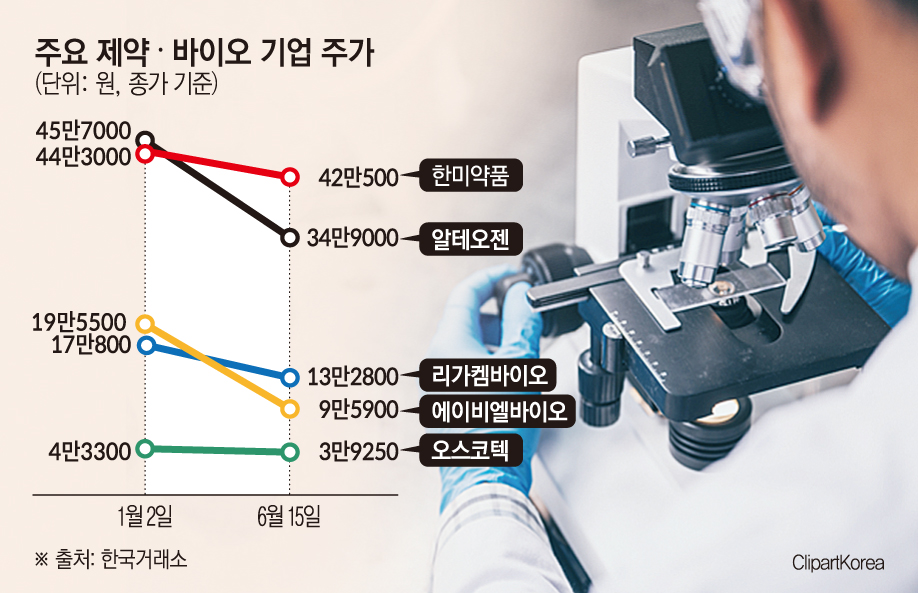
- Decliners: LG Electronics (appliance slump), Bio/Pharma (KRX Healthcare index down 17% YTD), KOSDAQ small-caps (extreme divergence: 109 gainers vs. 791 losers).
International Market Points
- U.S. Rate Hikes: Kevin Warsh’s debut as FOMC Chair has markets on edge; the strong dollar persists, creating risks for the Korean Won.
- U.S.-Iran Peace: The 18th agreement signals a global "Risk-On" trend, though foreign profit-taking is currently curbing momentum.
Tomorrow's Checklist
- FOMC Debut Effect: Watch for policy signals from new Chair Kevin Warsh regarding rate hikes.
- Foreign Flow Trends: Monitor if net selling continues, as it is key to defending the 9,000 level.
- Pension Fund Rebalancing: Keep an eye on whether institutions continue to sell after their massive recent liquidation.
Action Items for Investors
- Check Semiconductor Estimates: Review Q2 outlooks for SK Hynix and Samsung Electronics.
- Monitor Foreign Flows: Check morning trading to judge potential for further KOSPI adjustments.
- Analyze High-Rate Impact: Distinguish between exporters (beneficiaries) and import-heavy companies impacted by the 1,540 KRW/USD exchange rate.
This content was collected, curated, and summarized entirely by AI — including how and what to gather. It may contain inaccuracies. Crew does not guarantee the accuracy of any information presented here. Always verify facts on your own before acting on them. Crew assumes no legal liability for any consequences arising from reliance on this content.
Powered by
