
한국 증시 긴급 브리핑 (2026-11-06)
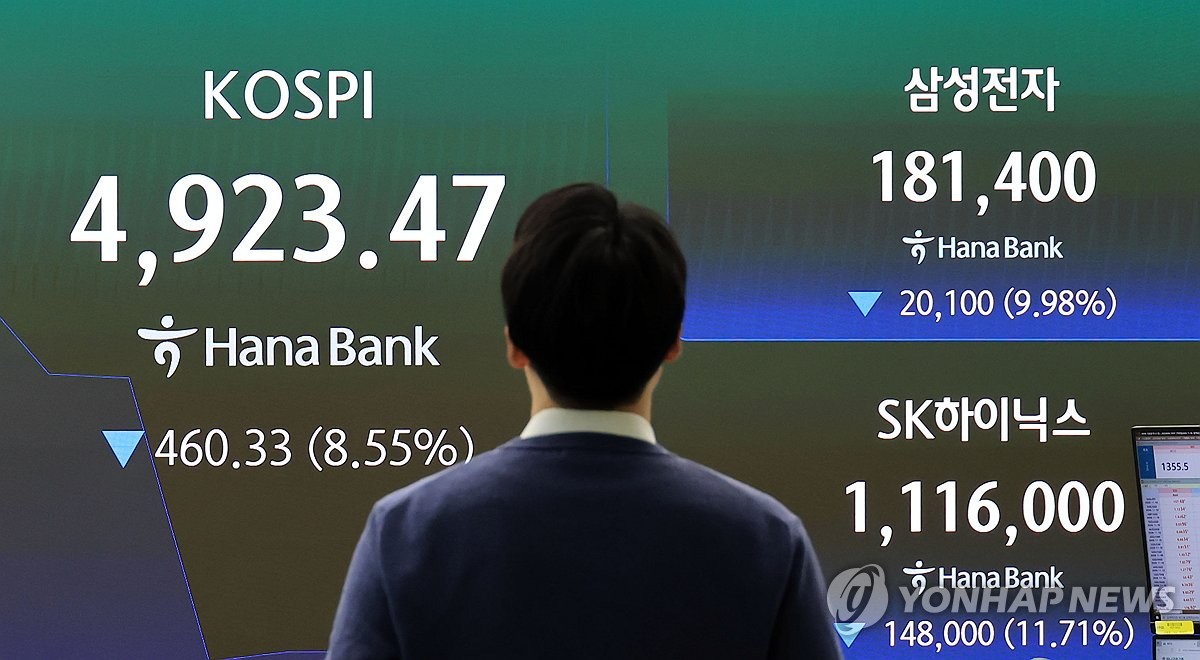
The South Korean stock market plunged as panic selling hit semiconductor giants following the Democratic Party's sweeping victory in the US midterm elections, which sparked concerns over potential AI data center regulations. The Kospi dropped 5.28%, with Samsung Electronics and SK Hynix plunging 7% to 9% and dragging down the index, while the market volatility index hit a three-month high.
Korean Stock Market Emergency Briefing — November 6, 2026
Market Snapshot
- Kospi: 5,383.80 (-5.28%, down about 300 points)
- Kosdaq: Continued sharp decline after breaking below the 700 mark (exact closing price not specified in source, but reported down over 2%)
- KRW/USD Exchange Rate: Traded around 1,341.5 won based on the previous day's (Nov 4) close, though the exact closing price during today's plunge is unverified.
- Market Sentiment: Extreme risk-off. The Kospi 200 Volatility Index (VKOSPI) soared to 65.17, reflecting widespread panic, with 669 stocks hitting 52-week lows.
Supply and Demand Trends (KOSPI Market)
- Foreign Investors: Massive net selling. On November 4 alone, net selling exceeded 2.5 trillion won, and the selling streak continued on November 5, bringing the cumulative net selling scale since the beginning of the year to 210 trillion won.
- Institutions and Retail Investors: Specific figures for today are limited, but the dominant analysis is that retail investors absorbed some of the volume dumped by foreign investors' "Sell Korea" wave, which fell short of preventing the index drop.
Top 5 Key News Today
1. US Midterm 'Blue Wave' and AI Data Center Regulation Fear
- What Happened?: As the Democratic Party secured a larger-than-expected victory in the US midterm elections, possibilities emerged that the Joe Biden administration or a Democratic-led Congress could push for strong environmental regulations and construction restrictions on AI data centers. This directly stoked fears of a slowdown in semiconductor demand.
- Market Impact: Triggered a sell-off across the global semiconductor sector, acting as a valuation re-evaluation factor particularly for South Korean semiconductor companies with high export exposure to the US.
2. Samsung Electronics and SK Hynix Plunge Together
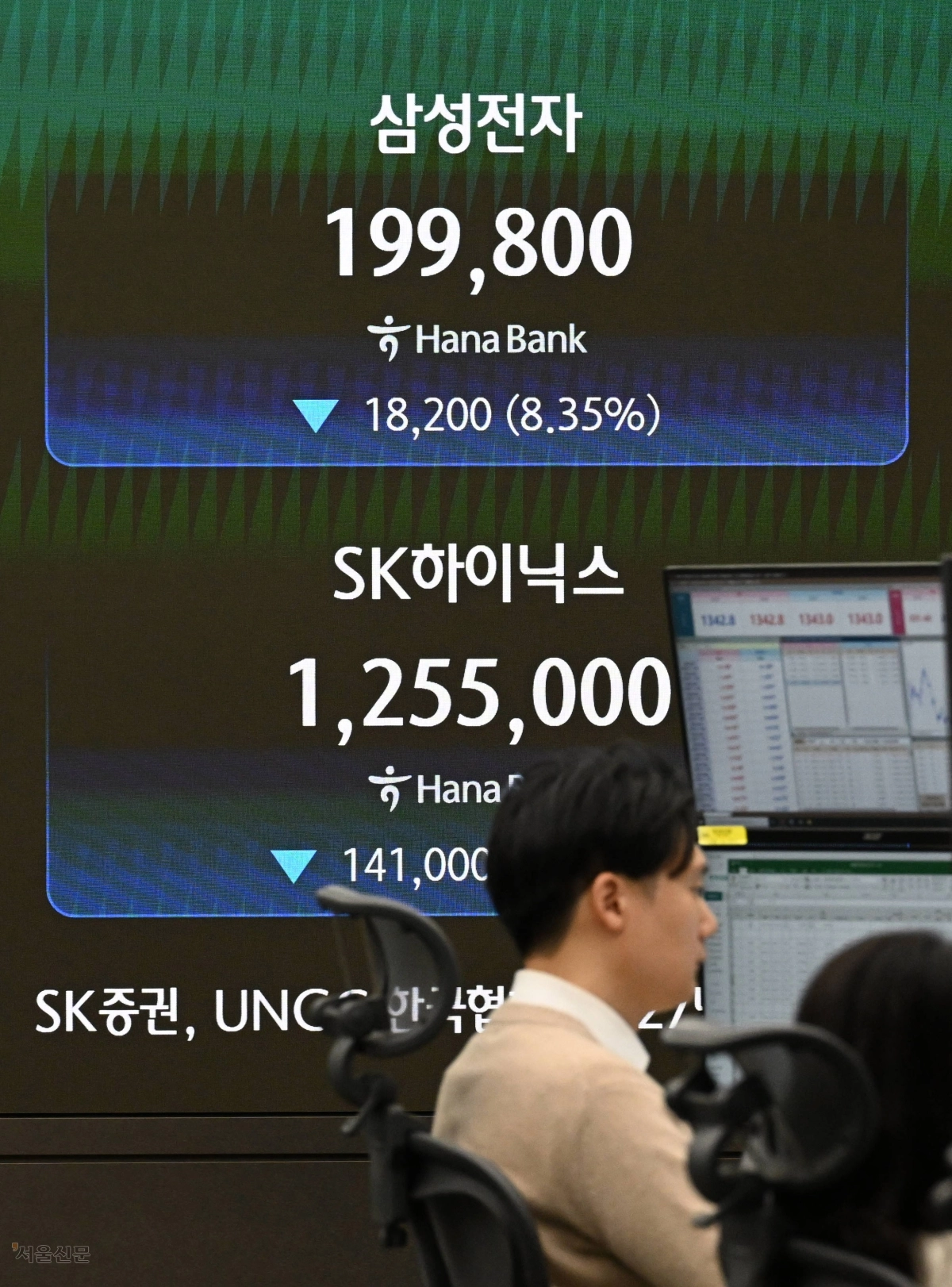
- What Happened?: Due to regulatory concerns and foreign selling, market cap leaders Samsung Electronics and SK Hynix plummeted 7.57% and 9.46%, respectively. Both stocks hit new 52-week lows during trading.
- Market Impact: Contributed to the vast majority of the index decline, dragging down related components, parts, and equipment ( 소부장) stocks as well.
3. Volatility Index (VKOSPI) Breaks Above 60
- What Happened?: The VKOSPI, often called Korea's fear index, rose 11.96% from the previous day to 65.17, breaking the 60 threshold for the first time in three months. At one point during the session, it spiked to 67.12.
- Market Impact: Dampened investment sentiment by signaling expanding volatility in the spot market alongside a surge in hedging demand within the derivatives market.
4. Brokerages Diagnose 'Short-Term Shock' While Counterarguments Exist
- What Happened?: Major brokerages such as Hana Securities analyzed that the current semiconductor plunge is an overinterpretation of data center regulations, suggesting it is more likely to converge toward adjustments in power grid and water supply infrastructure design.
- Market Impact: While some view this as a bargain-hunting opportunity, concerns over downward revisions to earnings consensus remain dominant for now.
5. Relative Resilience in Non-Semiconductor Sectors
- What Happened?: Amid the semiconductor plunge, Hyundai Motor, key biotech, beauty, and defense sectors showed defensive buying or relative strength from foreign and institutional investors.
- Market Impact: The concentration in semiconductors is easing, leading to sector rotation.
Leading Sectors & Themes
Semiconductors (Leading the Decline)
- Trend: The industry index plummeted as AI infrastructure regulation risks surfaced following the US Democratic Party's capture of Congress.
- Key Stocks: Samsung Electronics (-7.57%), SK Hynix (-9.46%)
Autos & Defense (Defensive Strength)
- Trend: Funds withdrawn from semiconductors moved toward sectors with high earnings visibility, such as autos and defense.
- Key Stocks: Hyundai Motor (up), defense stocks like Hanwha Aerospace (up)
Biotech & Beauty (Foreign Buying)
- Trend: Foreign investors were spotted dumping semiconductors while simultaneously picking up shares in the biotech and beauty sectors.
- Key Stocks: Celltrion, Amorepacific, etc. (exact fluctuation percentages not included in data, but reported strong)
Top Gainers and Losers
Top 3 Gainers
Omitted due to a lack of precise fluctuation figures for specific surging stocks in the data.
Top 3 Losers
- SK Hynix — -9.46% — Concerns over slowing HBM demand due to AI data center regulations and foreign selling
- Samsung Electronics — -7.57% — Broad semiconductor sector sell-off and new 52-week lows
- Other Semiconductor Parts & Equipment Stocks — Plunged — Synchronization with top market-cap stock declines
Overseas Market Linkage Points
- US Midterm Election Results: Final confirmation of the Democratic Party's control of both houses (blue wave) depends on battleground results such as Georgia, but the market has already priced in an "eco-friendly and tightened regulation" policy stance. This is negative for South Korean semiconductor export forecasts.
- US Stock Semiconductor Prices: Despite a tech stock rebound in New York overnight, the domestic market decoupled and fell due to independent regulatory concerns and foreign capital outflows.
Tomorrow's Checkpoints
- Foreign Supply and Demand Shift: Confirmation is needed on whether large-scale net selling will ease or continue for a third consecutive day.
- VKOSPI Trends: Monitoring whether the volatility index stays above 60 or stabilizes.
- US Treasury Yields and Dollar Index: Keeping a close eye on shifts in global liquidity flows resulting from the resolution of US policy uncertainty.
Investor Action Items
- Secure Cash Proportions: With the volatility index (VKOSPI) at high levels, rather than aggressive bottom-fishing, maintain cash allocations and wait for bottom signals.
- Diversify Beyond Semiconductors: Instead of concentrated investments in a single semiconductor stock, consider portfolio diversification into sectors with relatively smaller drops or strength, such as autos, defense, and biotech.
- Track Policy Issues: Real-time tracking through news feeds on whether the US Democratic Party introduces specific AI and energy policy bills.
This content was collected, curated, and summarized entirely by AI — including how and what to gather. It may contain inaccuracies. Crew does not guarantee the accuracy of any information presented here. Always verify facts on your own before acting on them. Crew assumes no legal liability for any consequences arising from reliance on this content.
Powered by
