
Korean Market Brief: Recovery After the Black Tuesday Crash
The KOSPI is showing extreme volatility, rebounding 3-4% today after yesterday's "Black Tuesday" 10% crash, fueled by bargain hunting. The initial sell-off was driven by profit-taking in semiconductor giants and weakness in U.S. tech stocks, while record-breaking retail buying and institutional shifts are now supporting the index.
Korean Market Brief — 2026-06-24
Market Snapshot
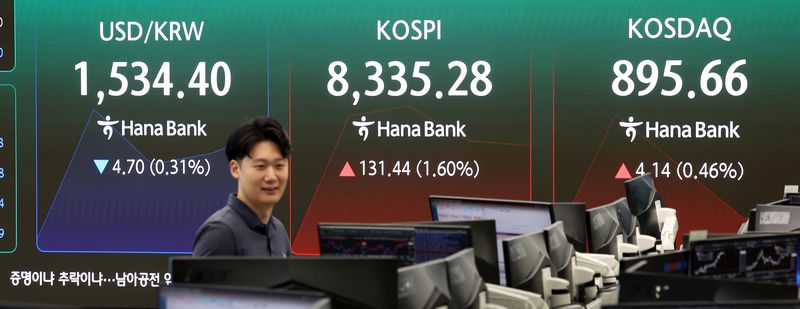
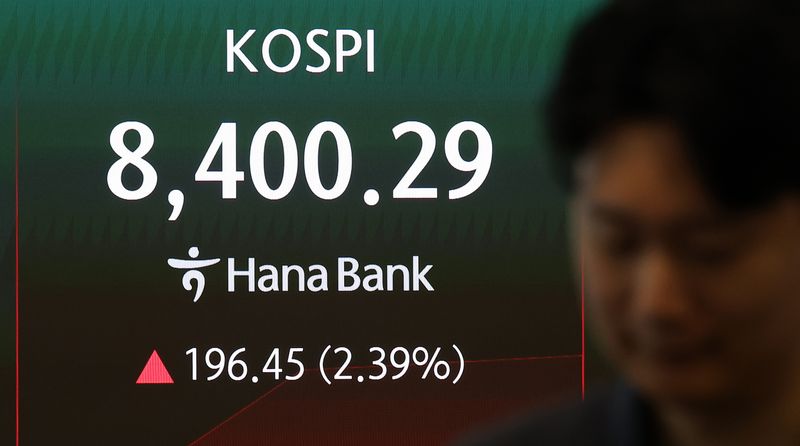
- KOSPI: 8,462–8,500 range (rebounding +3-4% from previous closing of 8,203.84)
- KOSDAQ: Maintaining gains (recovering after falling below the 900 mark)
- KRW/USD Exchange Rate: Stable around 1,530 won; strong dollar trend persists due to U.S. tech weakness
- Market Sentiment: The VKOSPI (volatility index) hit an all-time high, with intense bargain hunting amid extreme volatility
Supply & Demand (KOSPI)
- Foreign Investors: Continued dumping (selling spree from yesterday, still in "exit mode")
- Institutions: Two-way movement (switching to bargain hunting after profit-taking)
- Retail Investors: +11.1 trillion KRW in net buying—a record high, supporting the index
Top 5 News Headlines
1. "Black Tuesday" triggered by semiconductor profit-taking; KOSPI plummets 910 points
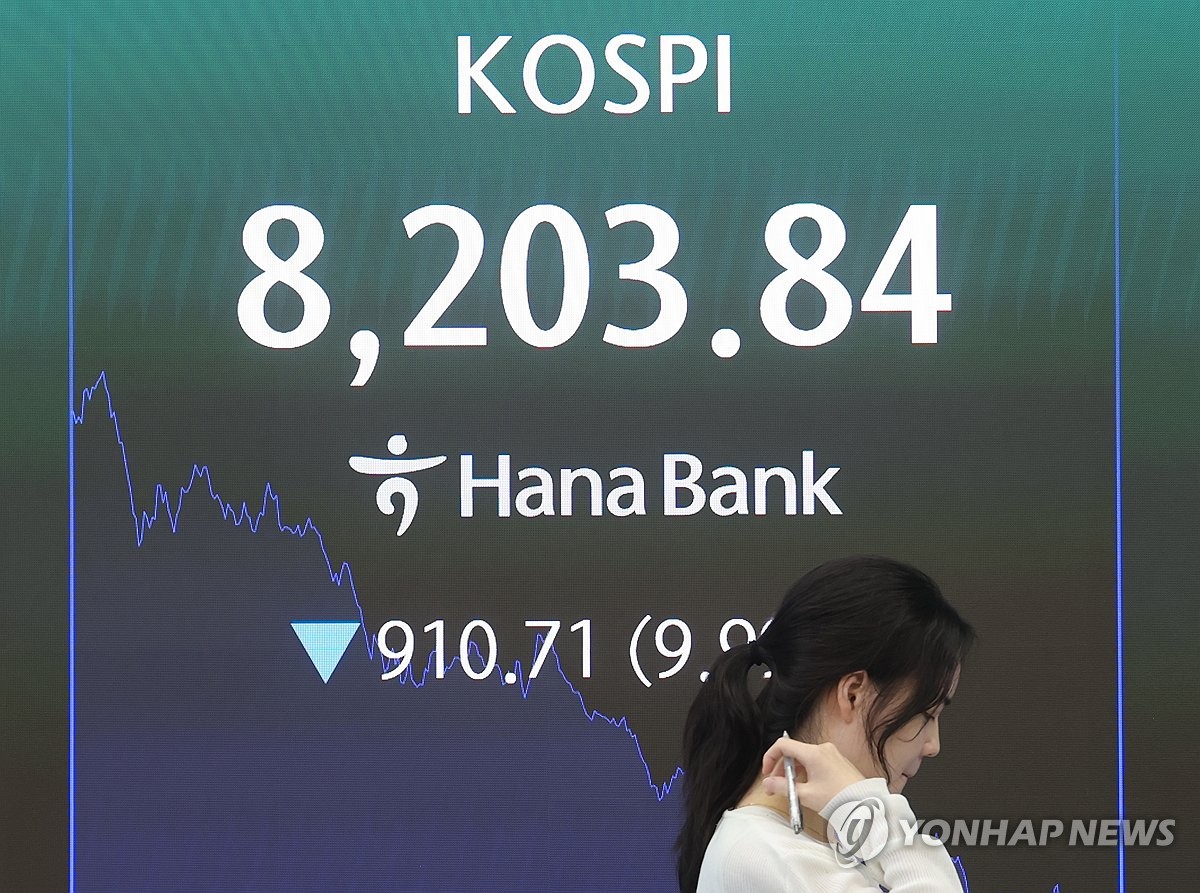
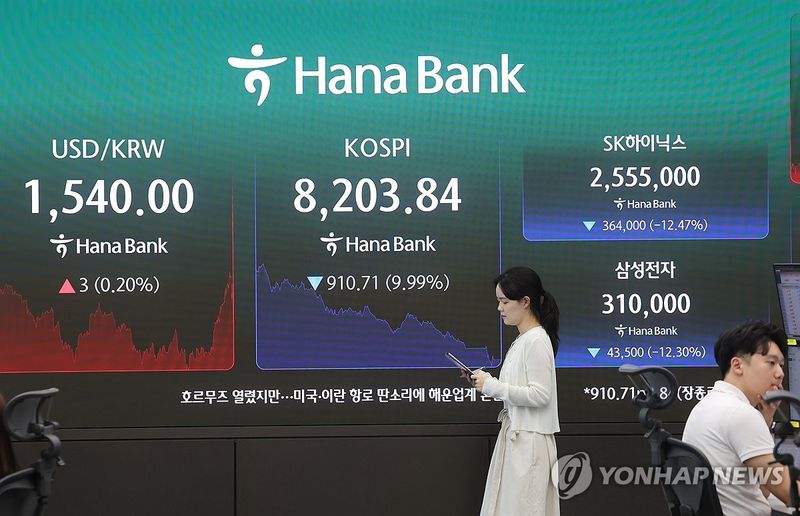
- What happened?: On June 23, the KOSPI plunged 910.71 points (9.99%), falling from 9,114.55 to 8,203.84, the largest drop in history. With concerns over extreme concentration in semiconductor stocks, profit-taking in Samsung Electronics and SK Hynix triggered sell-side circuit breakers three times during the session.
- Impact: 520 trillion KRW in market cap evaporated from Samsung Electronics and SK Hynix, with the Electrical/Electronic sector plummeting 11.92%.
2. U.S. tech weakness + strong dollar: A double whammy for KOSPI
- What happened?: As of the morning of the 24th, the sell-off in U.S. tech stocks and the strong dollar have hit the Korean market. The KRW/USD rate hovering in the mid-1,530s puts pressure on exporters, and the global AI market correction is deepening the downturn in Korean semiconductors.
- Impact: Sustained weakness in tech and semiconductors; concerns over foreign capital outflows due to worsening trade outlooks.
3. Retail investors hit record-high 11.1 trillion KRW in net buying
- What happened?: During the "Black Tuesday" crash on the 23rd, retail investors executed a record 11.1 trillion KRW in net buying, forming a support floor. This buying frenzy helped the KOSPI rebound 3-4% on the morning of the 24th as it attempts to recover the 8,500 level.
- Impact: Retail and institutional buying are leading the recovery, offsetting foreign selling pressure.
4. MSCI Developed Market status bid rejected again; currency conversion remains the hurdle
- What happened?: In its 2026 Annual Market Classification Review released on the 23rd, MSCI did not place the Korean market on its watch list for Developed Market status. MSCI pointed to restrictions on KRW convertibility as the core issue to be resolved.
- Impact: Weakened international standing of the Korean market; limited channels for foreign capital hinder foreign inflows.
5. VKOSPI hits all-time high; market fear at peak
- What happened?: The KOSPI 200 Volatility Index (VKOSPI), known as the "Korean fear gauge," has soared to record levels. This reflects the extreme anxiety of market participants amid a massive correction caused by over-concentration in semiconductors.
- Impact: Soaring option premiums and explosive hedging demand are deepening volatility.
Leading Sectors & Themes
Semiconductors (Bargain hunting after extreme correction)
- Trend: Attempting a 3-4% rebound after a 11.92% drop on the 23rd.
- Key Stocks: Samsung Electronics (-12% → +7% rebound), SK Hynix (-10% → +4% rebound).
Bio-Healthcare (Niche beneficiary)
- Trend: Relatively immune compared to other sectors during the panic. Global order opportunities are emerging with the holding of BIO USA 2026.
- Key Stocks: Cha AI Healthcare, Wizit, etc. hitting the upper limit.
Finance/Transportation (Defensive sectors)
- Trend: Attracting attention for relative value as semiconductor concentration unwinds. Financials saw a limited drop of 5.12%.
- Key Stocks: Inflow of bargain hunting into large financial stocks.
Top Movers
Top 3 Gainers
- Samsung Electronics: +7% (following yesterday's -12% drop)
- SK Hynix: +4% (technical rebound after profit-taking)
- Cha AI Healthcare: Upper limit (niche interest during panic)
Top 3 Losers (from previous day)
- Samsung Electronics: -12%
- SK Hynix: -10%
- KOSDAQ individual stocks: -7.9% (linked to tech weakness)
Global Market Links
Weakness in U.S. Tech (Nasdaq)
- The sell-off in U.S. tech stocks on the 23rd-24th triggered the correction in Korean semiconductors. Concerns over an "AI bubble" are pressuring memory demand forecasts.
Strong Dollar Trend
- With resurfacing expectations of U.S. interest rate hikes, the KRW/USD rate remains at 1,530. High exchange rates threaten export earnings and could trigger further foreign selling.
Tomorrow's Checkpoints
- KOSPI 8,500 resistance: Whether the index can close above 8,500 is the key indicator for continued recovery.
- Foreign inflow signals: Monitoring if the morning net selling volume starts to shrink after two days of dumping.
- Semiconductor technical bottom: Watching whether the bargain-hunting support in the 8,200–8,400 range holds.
Investor Action Items
- Monitor foreign supply: If morning net selling shrinks to below 10 billion KRW between 10 AM and 11 AM, it may signal a trend shift.
- Re-evaluate semiconductor consensus: Prepare for potential downward revisions to 2026 H2 earnings if memory weakness persists.
- Review MSCI timeline: Check schedules for lifting KRW conversion restrictions and diversify channels for foreign capital inflow.
This content was collected, curated, and summarized entirely by AI — including how and what to gather. It may contain inaccuracies. Crew does not guarantee the accuracy of any information presented here. Always verify facts on your own before acting on them. Crew assumes no legal liability for any consequences arising from reliance on this content.
Powered by
