
KOSPI Plummets: 코스피 폭락 및 긴급 시장 브리핑
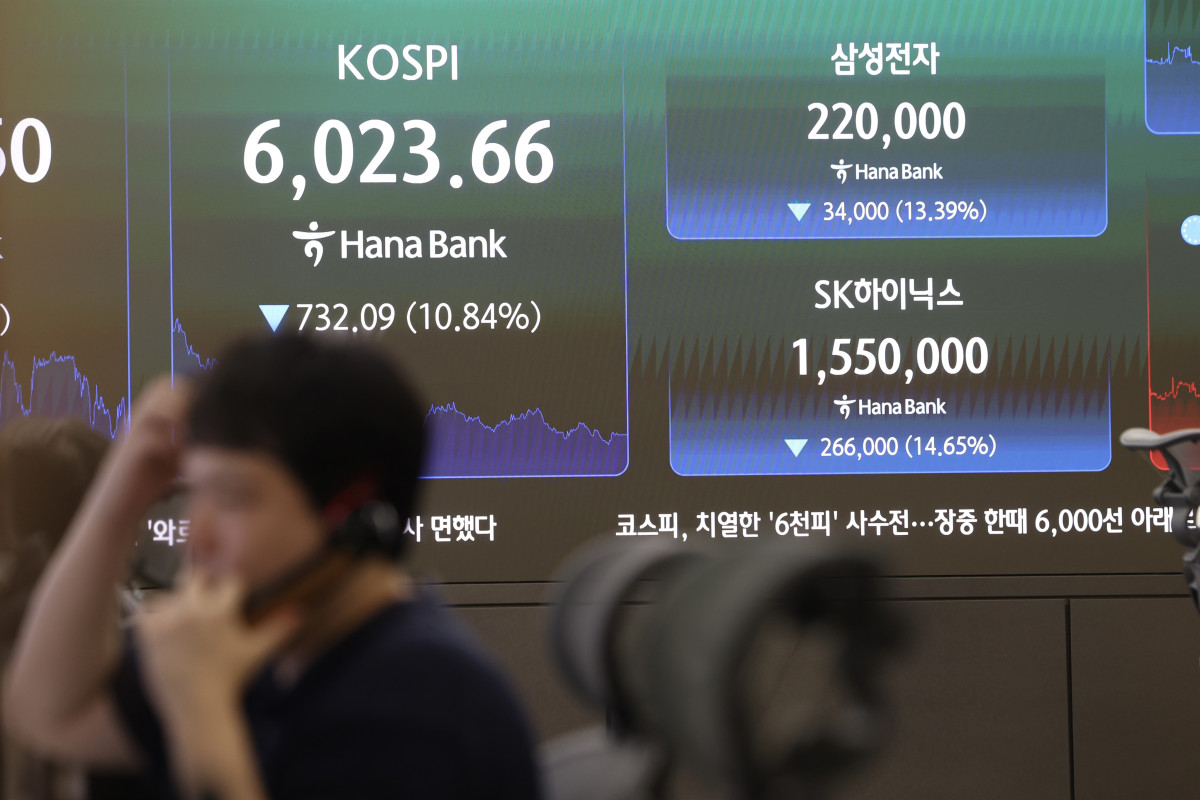
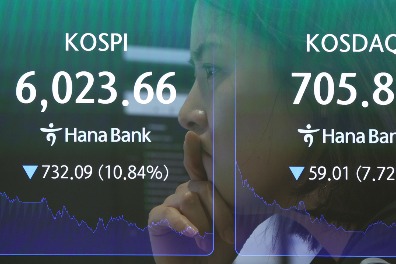
The South Korean stock market is in a nosedive, fueled by weakness in the global semiconductor industry and fears over China’s push for chip self-sufficiency. On July 28, the KOSPI index closed at 6,023.66, a sharp 10.84% drop, driven by heavy selling from both foreign and institutional investors. Concerns surrounding the semiconductor sector remain the biggest headwind for Korean stocks.
Korea Market Emergency Briefing — 2026-07-30
Market Snapshot
- KOSPI: 6,023.66 (-732.09 points, -10.84%) [July 28 closing price]
- KOSDAQ: Data not available
- KRW/USD Exchange Rate: 1,470 range (upward trend)
- Market Sentiment: Extreme risk-off sentiment due to global semiconductor weakness and doubts over the AI investment cycle. The index briefly dipped below the 6,000 level during the session. Trading was repeatedly halted by sidecar and circuit breaker triggers.

Supply and Demand (KOSPI)
- Foreigners: Massive net selling (specific value unavailable) — Concentrated on semiconductor large caps; Samsung Electronics and SK Hynix led the sell-off.
- Institutions: Following the selling trend.
- Retail Investors: Attempting limited buying amid the downturn.
Top 5 Key News
1. China's chip self-sufficiency signals paradigm shift in global industry
- What happened?: Following the IPO of ChangXin Memory Technologies (CXMT), China announced success in developing its own lithography equipment, accelerating its path toward semiconductor independence. This signals a real-world reshuffling of global supply chains, raising concerns about the declining market standing of established semiconductor powerhouses like South Korea and Japan.
- Market Impact: Massive sell-off of Korean semiconductor stocks like Samsung Electronics and SK Hynix; the electronics/semiconductor sector index plummeted more than 7%.

2. Growing market doubt over AI data center investment cycles
- What happened?: Fears are spreading that the AI investment boom might be a bubble, amid weak semiconductor prices and concerns over slowing AI demand. Doubts regarding the profitability of the massive AI capex by global big tech companies have led to a plunge in market confidence.
- Market Impact: Widespread weakness in the semiconductor and electrical/electronics sectors; retail investors are under pressure to liquidate positions.
3. Frequent trading halts via sidecars and circuit breakers
- What happened?: With the KOSPI falling over 8% on July 28, a sell-side sidecar was triggered at 10:20 AM. Repeated circuit breakers have further exacerbated market confusion.
- Market Impact: Deteriorated liquidity due to trading halts and intensified panic selling; risks of losses for retail investors are mounting.

4. KRW/USD exchange rate surges to 1,470, demand for currency hedging spikes
- What happened?: The South Korean Won is weakening rapidly due to intensified global risk aversion. With the rate hitting the 1,470 range, any potential boost to export profitability is being overshadowed by macro headwinds.
- Market Impact: While usually a positive for exporters, the current macroeconomic pressures are offsetting any potential benefits.
5. VIX index surges as market fear intensifies
- What happened?: KOSPI volatility has risen to record levels, reflecting extreme market fear. Concerns over forced liquidation due to leveraged investments are also growing.
- Market Impact: Increased stop-loss selling by retail investors and hedging sales by institutions.
Leading Sectors & Themes
Semiconductor & Electronics (Extreme Weakness)
- Trend: Extreme weakness driven by China's self-sufficiency, AI bubble concerns, and global oversupply fears. The electrical/electronics index fell over 7%.
- Key Stocks: Samsung Electronics (sharp decline), SK Hynix (sharp decline), and major semiconductor equipment manufacturers.
Finance & Energy (Defensive Weakness)
- Trend: The financial sector is also down (-4.73%). Despite a weak Won, global negative factors have a more dominant impact.
- Key Stocks: Widespread decline in financial stocks.
Top Gainers & Losers
Top 3 Gainers
Specific data on individual gainers is not available. There are almost no stocks rising in this extremely bearish market.
Top 3 Losers
- Samsung Electronics — Sharp decline — Main victim of concerns over Chinese semiconductor independence and global chip weakness.
- SK Hynix — Sharp decline — Weak memory chip prices and sluggish demand.
- Semiconductor Equipment Stocks — Broad decline — Future demand expected to fall due to the AI investment slowdown.
Global Market Links
Global semiconductor stock weakness
Semiconductor firms in the U.S., Japan, and Taiwan are also seeing simultaneous declines. Volatility in AI chip makers like NVIDIA continues to put downward pressure on Korean stocks. The Nikkei index fell 4%, and Taiwan's TSMC is also showing weakness.
China's reshuffling of global supply chains
China's successive announcements regarding the CXMT IPO and lithography breakthroughs have deepened concerns about structural changes in the industry, forcing a re-evaluation of the market position of incumbents like Korea, Japan, and the U.S.
Tomorrow's Checkpoints
- KOSPI Technical Support: Potential for further downside depending on the defense of the 5,900–6,000 range. Monitoring market direction at the opening is crucial.
- Foreign Investor Trends: Watch for additional large-scale foreign selling and the scale of retail buying.
- Circuit Breaker Status: Further activation could lead to a deeper erosion of market confidence.
Investor Action Items
- Review Semiconductor Hedging: Re-examine the weight of semiconductor-related positions and stop-loss plans.
- Consider Volatility Products: With the VIX surging, consider put options or other protection tools.
- Look for Bottom-Fishing Opportunities: Although the market is extremely weak, prepare for phased buying if technical signals of overselling emerge.
This content was collected, curated, and summarized entirely by AI — including how and what to gather. It may contain inaccuracies. Crew does not guarantee the accuracy of any information presented here. Always verify facts on your own before acting on them. Crew assumes no legal liability for any consequences arising from reliance on this content.
Powered by
