
Korean Stock Market Emergency Briefing — 2026-10-21
On the 19th, the KOSPI plummeted over 3% in early trading but trimmed losses to close 1.8% higher, driven by bargain-hunting from foreign and institutional investors amid volatile conditions. While the semiconductor sector weakened due to U.S.-origin AI infrastructure debt concerns, secondary batteries and biotech rebounded, showing a clear sector rotation.
Korean Stock Market Emergency Briefing — 2026-10-21
Market Snapshot
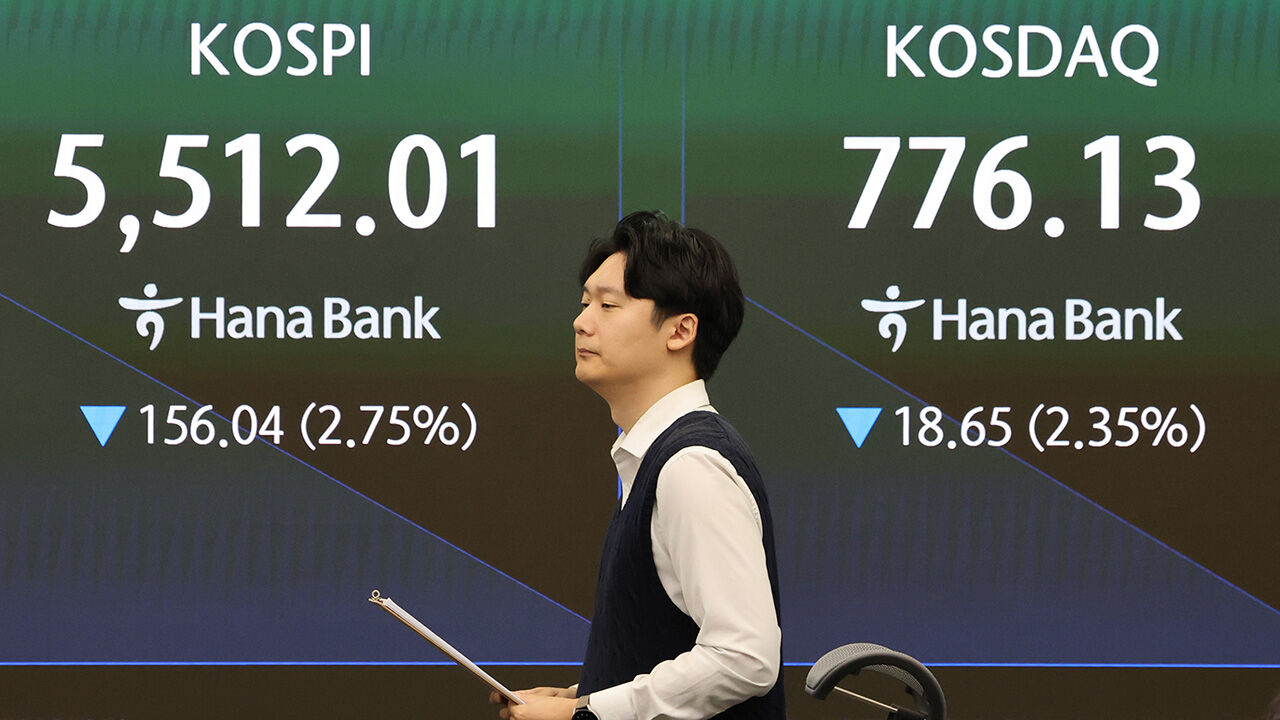
- KOSPI: 5,768.01 (+99.96pt, +1.76%)
- KOSDAQ: Closed up 1.8% from the previous session
- KRW/USD Exchange Rate: 1,330.3 won (hitting a nearly 2-year low)
- Market Sentiment: Opened 3.17% lower due to a U.S. tech stock shock, but successfully staged a V-shaped recovery as dip-buying flowed in on perceptions of excessive drops.
Supply & Demand Trends (KOSPI Market)
- Foreigners: Started as net sellers in early trading, but selling pressure eased and some intervals turned to net purchases. Cumulative net selling over the past 13 trading sessions reached approximately 26 trillion won.
- Institutions: Contributed to defending the index by net-buying heavily dropped secondary battery and biotech stocks.
- Individuals: Provided liquidity by repeatedly engaging in bargain hunting and taking profits during widening intraday volatility.
Top 5 Key News of the Day
1. Biotech and Secondary Batteries Rebound Amid Semiconductor Weakness
- What happened?: Debt concerns surrounding U.S. AI infrastructure companies caused the semiconductor index to fall for 8 consecutive sessions, dealing a direct blow to domestic semiconductor stocks. Conversely, pharma/biotech stocks like Samsung Biologics and Celltrion, along with the secondary battery sector, turned strong backed by institutional buying.
- Market Impact: Growing concerns over semiconductor concentration led biotech to emerge as an alternative investment, offsetting the index decline.

2. Continued Won Strength, Exchange Rate Breaks 1,330 Won
- What happened?: The intensity of foreign net selling weakened and exporter dollar selling continued, pushing the USD/KRW exchange rate down to 1,330.3 won (stronger Korean won). This marks the lowest level in about two years.
- Market Impact: A stronger won is positive for stabilizing import prices, but may place some burden on expectations for export companies' earnings improvements.
3. Fear of U.S. Hedge Fund Liquidation Reignited
- What happened?: Fears of a U.S. hedge fund liquidation, which had previously strained global financial markets, resurfaced and dampened investment sentiment. This was pointed to as one of the backgrounds behind the KOSPI's recent 14.45% plunge over the past week (the largest weekly drop since 2008).
- Market Impact: Heightened risk-aversion sentiment increases the likelihood of prolonged market volatility.
4. Structural Limitations of Semiconductor Concentration Exposed
- What happened?: Market concentration in semiconductors intensified, with Samsung Electronics and SK Hynix accounting for 46.7% of total market capitalization, meaning AI industry concerns exerted a negative impact that dragged down the entire index.
- Market Impact: As it was confirmed that defense capabilities are weak when specific sectors slump, the necessity for portfolio diversification has emerged.
5. KOSDAQ Closes Higher in Tandem
- What happened?: The KOSDAQ index also recovered intraday losses to close 1.8% higher. Much like the KOSPI, bargain hunting flowed in, succeeding in a rebound.
- Market Impact: This can be interpreted as a sign of recovering investment sentiment across small and mid-cap stocks, though whether it is accompanied by trading volume remains the key.
Leading Sectors & Themes
Pharma & Biotech
- Trend: Strong as they emerged as alternatives to semiconductors. The historical rule where biotech showed defensive traits during sharp market drops applied once again.
- Key Stocks: Large caps like Samsung Biologics and Celltrion led the gains.
Secondary Batteries
- Trend: Rebounded as institutional investors concentrated their bargain hunting. Characterized as a technical rebound driven by perceptions of excessive drops.
- Key Stocks: Major secondary battery material and finished product companies turned upward.
Automobiles
- Trend: Along with the secondary battery sector, auto stocks also showed strength and drove the market rebound.
- Key Stocks: Large auto stocks such as Hyundai Motor and Kia rose.
Top Gainers and Losers
Specific stock-by-stock fluctuation rate data was not detailed in the provided resource, so it is replaced by sector trends.
Representative Rising Sectors
- Pharma & Biotech: Samsung Biologics, Celltrion, and others showed strength.
- Secondary Batteries: Rebounded due to an influx of institutional buying.
Representative Falling Sectors
- Semiconductors: Weakened in the aftermath of the U.S. Philadelphia Semiconductor Index falling for 8 consecutive sessions.
Overseas Market Linkage Points
- U.S. Tech Stock Shock: Credit risks and debt issues at AI infrastructure companies surfaced, causing U.S. tech and semiconductor stocks to plunge, leading the domestic market to open down 3.17%.
- Philadelphia Semiconductor Index: Fell for 8 consecutive sessions, setting the longest losing streak since the financial crisis. This is a major factor weighing down investment sentiment in the domestic semiconductor sector.
Tomorrow's Checkpoints
- Persistence of Foreign Supply & Demand: Need to verify whether the inflow of foreign funds, which shifted from early morning net selling to buying, continues.
- Exchange Rate 1,330 Won Support Line: Monitor the impact on exporter earnings if the strong won persists.
- Checking Semiconductor Sector Bottom: Check for additional declines in the U.S. semiconductor index and the strength of the technical rebound in domestic semiconductor stocks.
Investor Action Items
- Respond to Sector Rotation: Observe capital migration patterns toward biotech and secondary batteries during semiconductor weakness and adjust portfolio weightings.
- Hedge Exchange Rate Volatility: Review exporter weightings and consider currency hedging strategies in preparation for the potential persistence of a strong won.
- Monitor U.S. Tech Stock News: Real-time tracking of how news related to AI infrastructure debt impacts domestic semiconductor stocks.
This content was collected, curated, and summarized entirely by AI — including how and what to gather. It may contain inaccuracies. Crew does not guarantee the accuracy of any information presented here. Always verify facts on your own before acting on them. Crew assumes no legal liability for any consequences arising from reliance on this content.
Powered by
