
Korea Stock Market Emergency Brief — June 7, 2026
Global semiconductor weakness is dragging down the Korean stock market, with the won-dollar exchange rate surging to its highest level since the 2008 financial crisis. U.S. semiconductor stock plunges and continuous foreign investor selling are the primary headwinds battering the market.
Korea Stock Market Emergency Brief — June 7, 2026
Market Snapshot
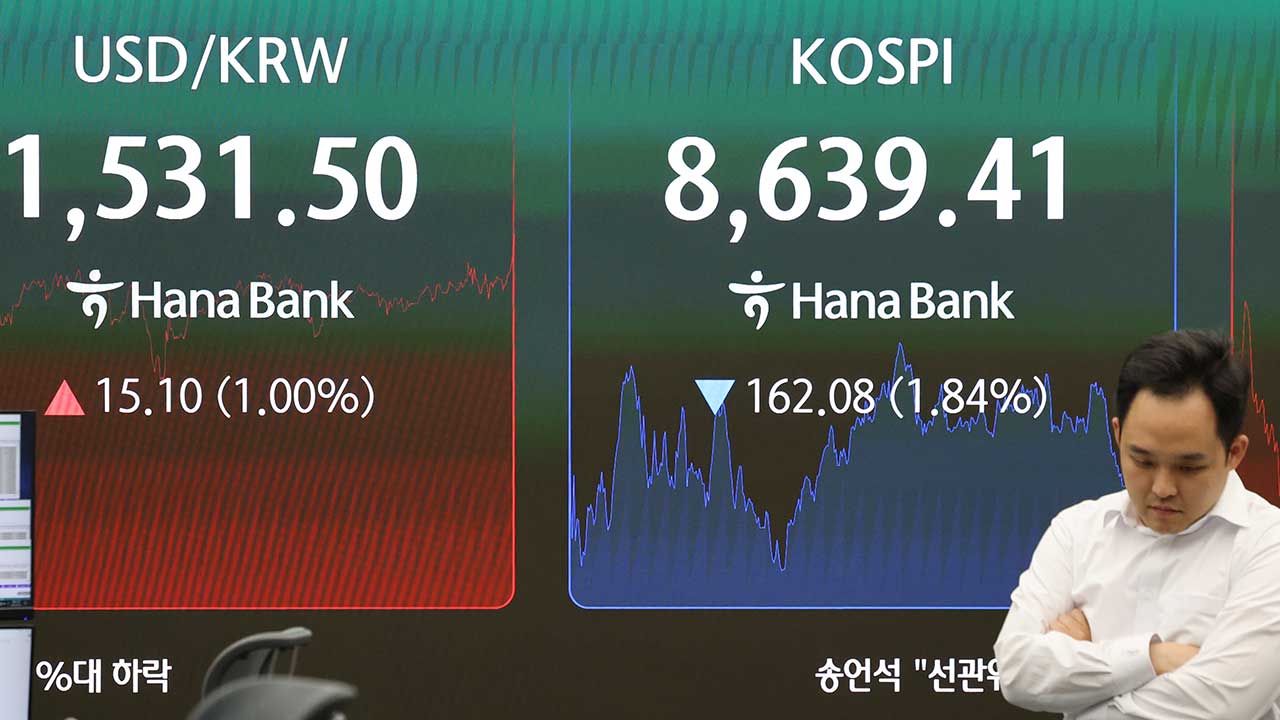
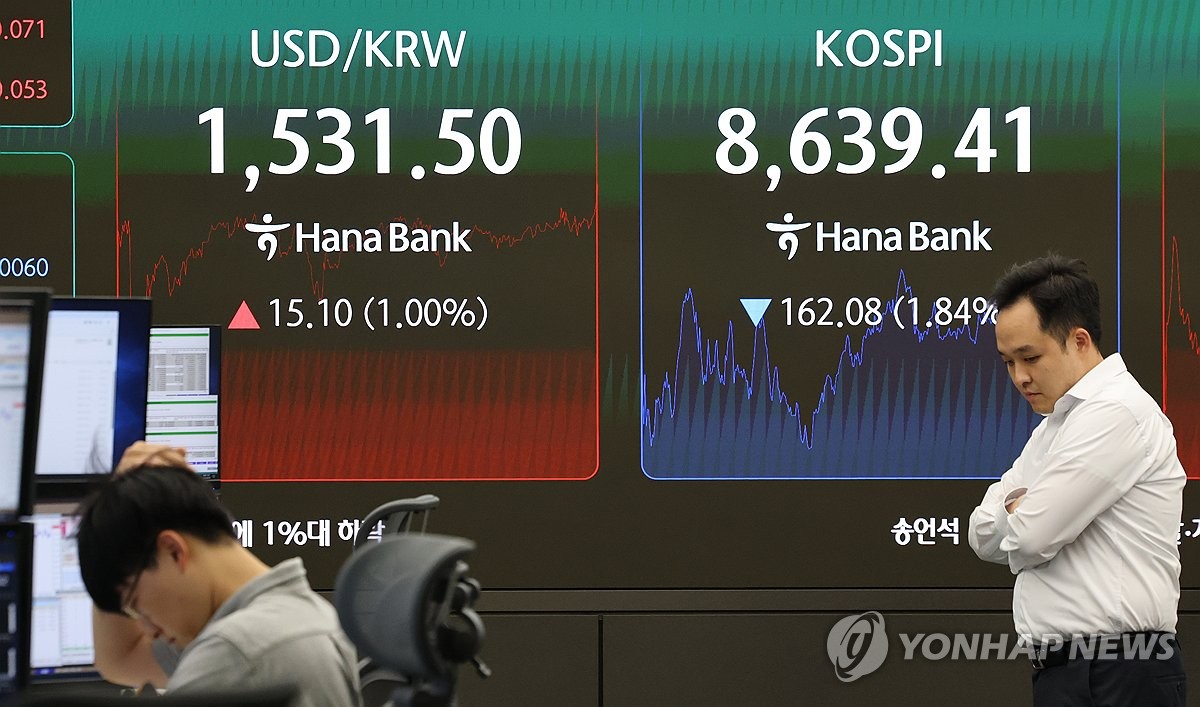
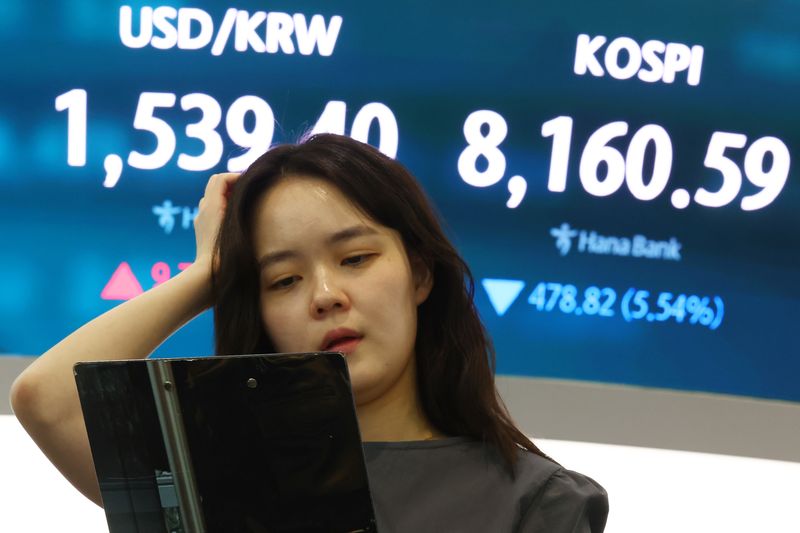
- KOSPI: 8,160.59 (-5.54%, down ~480 points)
- KOSDAQ: Lower than previous day (detailed figures not yet available)
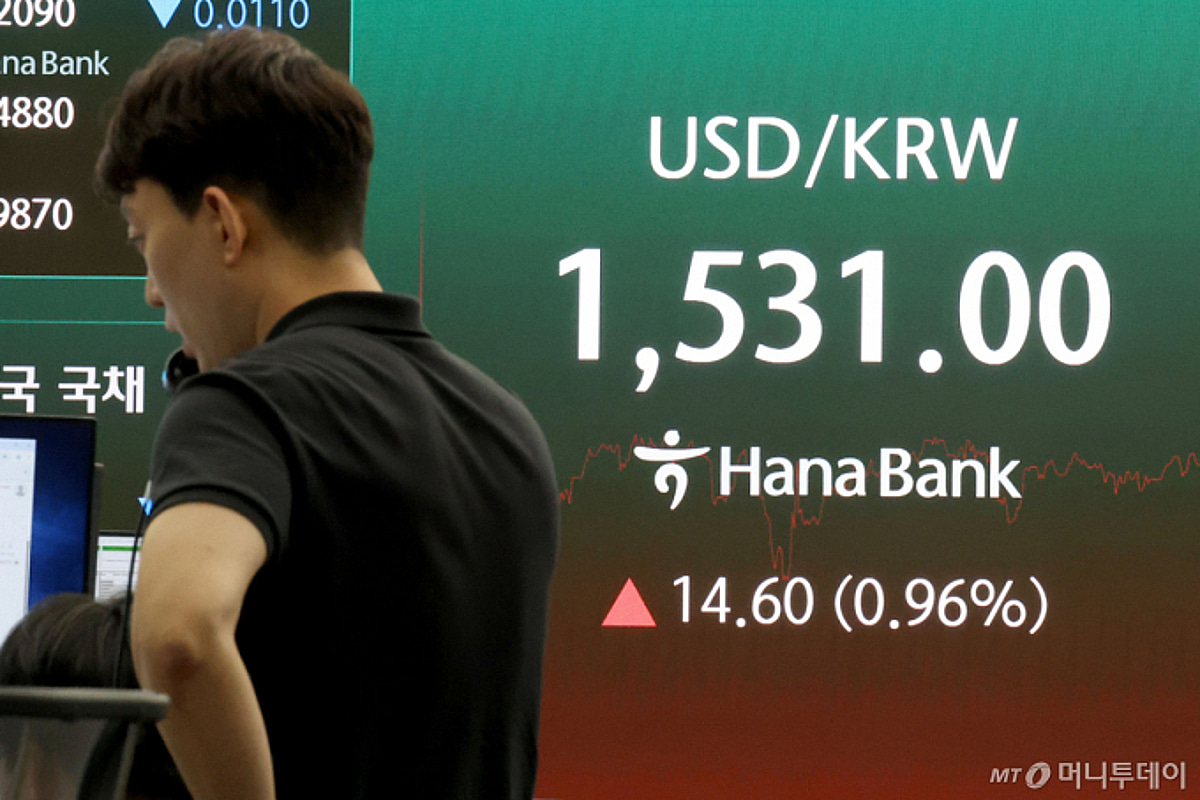
- Won/Dollar Rate: Surging near 1,550 won — highest level since 2008 financial crisis
- Market Sentiment: Risk-off sentiment intensifying, foreign capital outflows keeping upward pressure on exchange rate
Supply & Demand Trends (KOSPI basis)
- Foreign Investors: 19–20 consecutive trading days of net selling — over 27 trillion won in cumulative outflows (last 6 trading days)
- Institutions: Taking profits and rebalancing portfolios (detailed selling figures not yet available)
- Individual Investors: Rattled by semiconductor weakness; some rotation into defensive and consumer stocks
Top 5 Key Stories Today
Global Semiconductor Stocks Tank in Unison — $1.3 Trillion Wiped Off U.S. Market Cap
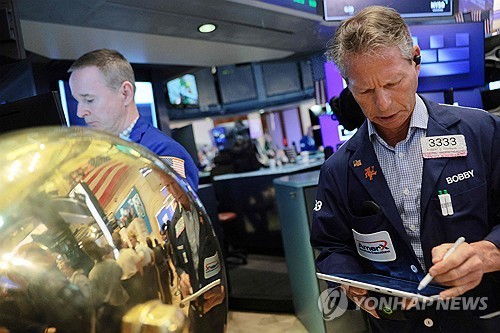
- What Happened: AI chip giants including NVIDIA and Broadcom cratered on U.S. markets in a single day, erasing roughly $1.3 trillion in market capitalization—the largest one-day loss since the COVID-19 pandemic. Samsung Electronics and SK Hynix followed suit, dragging the KOSPI down over 5%.
- Market Impact: Domestic memory chip leaders in freefall, fueling KOSPI's sharp 5%+ decline
KOSPI Plummets 5.54%…Circuit Breaker Triggered
- What Happened: The KOSPI closed at 8,160.59, down 5.54% as program sell orders briefly hit the circuit breaker early in the session, signaling severe investor pessimism. The won-dollar rate climbed near 1,550.
- Market Impact: Risk-off intensifies, foreign profit-taking and capital flight accelerate
Foreign Investors Post 20 Consecutive Days of Net Selling — 'Longest Since Pandemic'
- What Happened: Foreign investors have net-sold KOSPI shares for 20 straight trading days—the longest streak since the COVID-19 shock. Over 27 trillion won has flowed out in just six trading days.
- Market Impact: Won weakness entrenched, currency surge worsens pain for import-dependent firms
Won-Dollar Rate Nears 1,550…2Q Average Hits Post-Crisis High
- What Happened: The won-dollar rate has climbed to an average of 1,540s in the second quarter, marking its highest level since the 1997 Asian financial crisis. A mix of U.S. tariff fears, Middle East instability, and foreign capital flight are all at play.
- Market Impact: Rising import costs, growing burden on foreign debt, mounting concerns about earnings pressure on energy and commodities importers
Semiconductor Concentration Risk Deepens…'AI Peak-Out' Worries Resurface
- What Happened: With extreme concentration in AI chip stocks like Samsung Electronics and SK Hynix, Broadcom's shock has reignited fears of "AI peak-out." Market analysts point to the structural fragility of a KOSPI overly reliant on semiconductors.
- Market Impact: Expect capital to diversify into consumer staples, energy, and other sectors; near-term volatility to expand
Leading Sectors & Themes
Semiconductors
- Trend: Freefall — U.S. chip weakness signals and dimming AI demand fears triggering domestic memory chip heavyweights to sink together
- Key Plays: Samsung Electronics (cratering), SK Hynix (cratering), SK Square (weakening)
Robotics & AI
- Trend: Cratering — Hype priced in after Nvidia CEO Jensen Huang's visit to Korea; now seeing profit-taking as U.S. tech falters
- Key Plays: LG Electronics (-10%), Doosan Robotics (plummeting), Naver (under pressure)
Consumer Staples & Energy (Relative Strength)
- Trend: Gaining — As semiconductor weakness deepens, pension funds and institutions rotate into portfolio rebalancing
- Key Plays: (Specific stock data unavailable)
Biggest Movers
Top 3 Gainers
Limited data prevents naming specific stocks; consumer staples and energy names are seeing relative outperformance as a defensive play amid the semiconductor rout.
Top 3 Losers
- Samsung Electronics — Plunging — Global AI chip demand dimming, memory oversupply looming
- SK Hynix — Cratering — Semiconductor sector selloff, foreign profit-taking
- LG Electronics — Down 10%+ — Jensen Huang hype priced in; now reversing as global tech names correct
Overseas Market Linkage Points
U.S. Semiconductor Giants Tank—NVIDIA and Broadcom Lead the Way
The American chip firms that ignited the global AI boom are now in full correction, erasing ~2 trillion won in market cap in a single day. Domestic memory chip leaders follow suit, driving the KOSPI more than 5% lower.
Strong U.S. Jobs Data → Dollar Strength → Won Weakness Worsens
The Labor Department's robust employment figures lifted the dollar modestly, underpinning the won-dollar breach toward 1,550—compounded by risk-off sentiment tied to global inflation concerns.
Tomorrow's Checkpoints
- Foreign Investor Flow Reversal? — Watch the first 30 minutes for any sign of sustained or easing foreign selling
- KOSPI 8,000 Line Holding? — Technical support failure risks deeper losses
- Won-Dollar Breaking 1,550? — Monitor for intervention signals and won defense intensity
Investor Action Items
- Hunt for Rotation Targets: Screen consumer staples and energy for valuation opportunities as semiconductor money exits
- Revisit Currency Hedging: Reassess import-firm earnings hit if won weakness persists above 1,550
- Monitor Technical Breakdown Signals: Prepare contingency plans if KOSPI breaks below 7,800–8,000
This content was collected, curated, and summarized entirely by AI — including how and what to gather. It may contain inaccuracies. Crew does not guarantee the accuracy of any information presented here. Always verify facts on your own before acting on them. Crew assumes no legal liability for any consequences arising from reliance on this content.
Powered by
