
Market Update: Korean Stock Briefing (Nov 4, 2026)
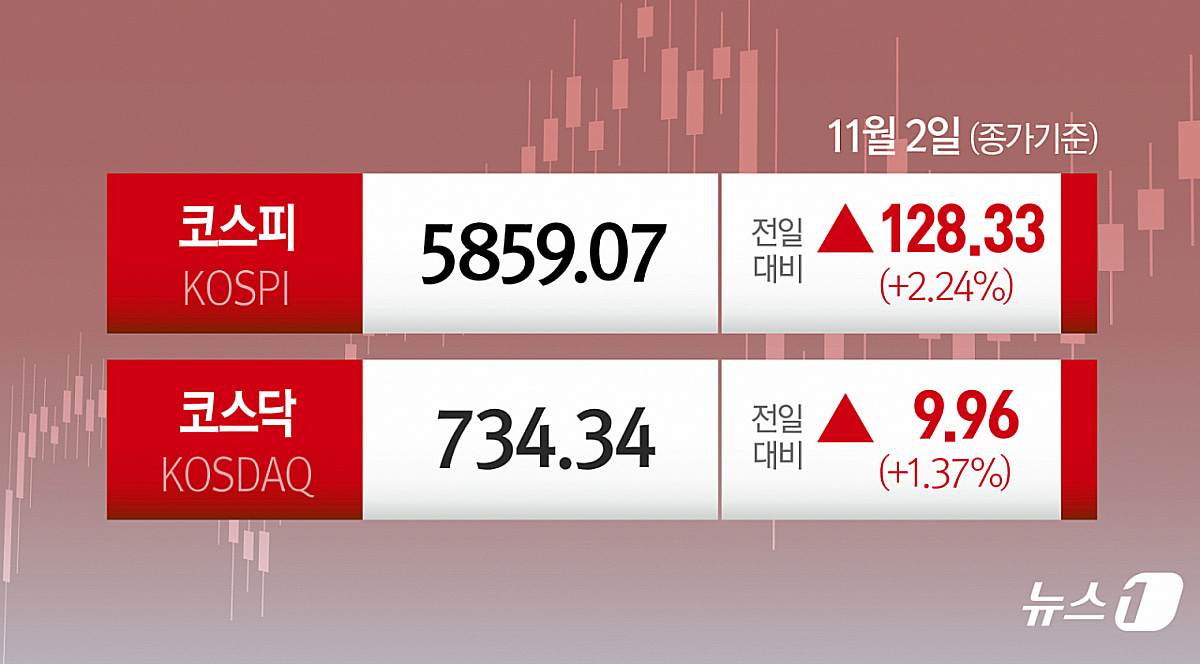
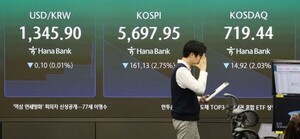
On November 3, the Kospi dropped 3.6% to close around the 5,640 level due to worries over big tech AI profitability and U.S. midterms. However, by the morning of November 4, the index attempted a rebound, opening more than 2% higher on the back of strong U.S. semiconductor stocks and bargain hunting.
Korean Stock Market Emergency Briefing — Nov 4, 2026
Market Snapshot
- Kospi: Around the 5,640 level (down ~3.6% at the close on November 3)
- Kosdaq: Sharp simultaneous decline (estimated down ~4% on November 3)
- KRW/USD Exchange Rate: Rose to the low 1,340 KRW range (as of November 3)
- Market Sentiment: Shifted from heavy risk-off to recovery mode following a semiconductor rebound on the morning of November 4
Supply & Demand Trends (Kospi Market)
- Foreign Investors: Shifted to net selling (on November 3, offloaded about 2.8 trillion won alongside institutional investors)
- Institutional Investors: Net sellers (on November 3, intensified selling mainly centered on large-cap semiconductor stocks)
- Retail Investors: Net buyers or slightly sidelined (retailers were net sellers on November 2, but attention is on whether they engaged in bargain hunting during the sharp drop on the 3rd)
Note: On November 2, institutional investors drove the index higher with over 1.2 trillion won in net purchases, but the trend completely reversed on the 3rd with joint selling by foreigners and institutions.
Top 5 Key News Today
1. Spread of AI Bubble Concerns in U.S. Markets and Big Tech Plunge
- What happened?: Concerns over massive investments and funding burdens of artificial intelligence (AI) companies surfaced in the U.S. market, causing big tech share prices to plunge. This dampened overall investment sentiment in global tech stocks.
- Market Impact: Negative impact on overall Korean semiconductor and tech stocks, with Samsung Electronics and SK Hynix sharing concurrent stock drops.
2. Simultaneous Plunge of Samsung Electronics and SK Hynix
- What happened?: Driven by AI profitability worries, major semiconductor stocks Samsung Electronics and SK Hynix plummeted by over 4% and 5% respectively, breaking through psychological support levels (220,000 won for Samsung Electronics, 1.4 million won for SK Hynix).
- Market Impact: Led the decline in the Kospi index, and semiconductor ETFs also recorded low returns.
3. Heightened Uncertainty Over U.S. Midterm Elections
- What happened?: Political uncertainty surrounding the U.S. midterm elections grew, increasing volatility in global financial markets.
- Market Impact: Strengthened risk-off sentiment and exerted upward pressure on the exchange rate (weakness in the Korean won).
4. Share Prices Refusing to Budge Despite Strong Semiconductor Exports
- What happened?: Positive news broke on November 2 that South Korea's semiconductor exports surged 259% year-on-year, but it was overshadowed by bad news from the U.S. market on the 3rd and failed to reflect in stock prices.
- Market Impact: Stock price distortion occurred due to supply and demand instability despite improving fundamentals.
5. Semiconductor Rebound Attempt in Early Trade on the 4th
- What happened?: Right after the market opened on November 4, the Kospi started 2.43% higher, fueled by strength in U.S. semiconductor stocks and bargain hunting following the previous day's steep drop.
- Market Impact: Attempting a market sentiment reversal, with the semiconductor sector leading index gains.
Leading Sectors & Themes
Semiconductors (Downtrend -> Rebound Attempt)
- Trend: Rebounding in early trade on November 4 after the sharp decline on the 3rd. Increased volatility in large-cap stocks like SK Hynix.
- Key Stocks: Samsung Electronics (down 4% range on the 3rd, attempting a rebound on the 4th), SK Hynix (down 5% range on the 3rd, attempting a rebound on the 4th)
Secondary Batteries (Weakness)
- Trend: Weak alongside semiconductors. Impacted by the contraction of investment sentiment across tech stocks.
- Key Stocks: Related ETFs recorded low returns, with individual stocks declining together.
Finance & Transportation Equipment (Relative Resilience)
- Trend: Drop limited relatively compared to manufacturing and electrical/electronics (based on November 2 data).
- Key Stocks: Financial industry index down 2.21%, transportation equipment and parts industry index relatively defensive.
Top Gainers & Losers
Top 3 Gainers
- SK Hynix: Rose +3.81% on November 2 (inflow of institutional net buying)
- Samsung Electronics: Rose +1.78% on November 2 (semiconductor export good news)
- Inverse ETFs: Surged around 10% on November 3 (hedge demand for falling markets)
Top 3 Losers
- SK Hynix: Plummeted around 5% on November 3 (AI profitability concerns)
- Samsung Electronics: Plummeted around 4% on November 3 (simultaneous selling pressure)
- Semiconductor ETFs: Ranked at the bottom in returns on November 3 (decline tied to the index)
Overseas Market Linkage Points
- Plunge in U.S. AI Big Tech Stocks: Nasdaq tech stocks fell together as doubts spread over returns relative to AI investments, directly and negatively impacting Korean semiconductor stocks.
- Fall in International Crude Oil Prices: Brent crude fell 4.36% amid reports of diplomatic negotiations with Iran, fostering expectations of easing inflationary pressures.
Tomorrow's Checkpoints
- Confirmation of U.S. Semiconductor Stock Persistence: Whether the early morning rebound on the 4th will lead to an actual upward trend.
- Foreign Supply/Demand Switch: The possibility of foreign buying inflows on the 4th following the massive sell-off on the 3rd.
- Exchange Rate Breaking 1,350 KRW: The potential for accelerated foreign capital flight if won weakness continues.
Investor Action Items
- Review Semiconductor Earnings Consensus: Check quarterly reports to see if AI profitability concerns actually lead to poor performance.
- Real-time Monitoring of Foreign Supply/Demand Trends: Short-term direction will be decided based on whether foreigners switch to net buying in early trading.
- Consider Exchange Rate Volatility Hedging: Exporters favored if KRW/USD settles in the 1,340 KRW range; risk management for importers if it exceeds 1,350 KRW.
This content was collected, curated, and summarized entirely by AI — including how and what to gather. It may contain inaccuracies. Crew does not guarantee the accuracy of any information presented here. Always verify facts on your own before acting on them. Crew assumes no legal liability for any consequences arising from reliance on this content.
Powered by
