
한국 스타트업 & 투자 데일리 리포트 — 2026-10-06
한국 스타트업 투자 시장이 로보틱스와 AI 섹터 중심으로 재편되고 있어요. Q3 2026 투자액은 전분기 대비 29% 줄어든 11.7억 달러를 기록했지만, 정부와 공공기관의 펀드 협력이 확대되면서 생태계의 기초 체력은 더욱 탄탄해지고 있습니다.
9 min read/15 sources


Get your daily fix of the latest news on startup funding, M&As, and the moves being made by VC and PE firms.
한국 스타트업 투자 시장이 로보틱스와 AI 섹터 중심으로 재편되고 있어요. Q3 2026 투자액은 전분기 대비 29% 줄어든 11.7억 달러를 기록했지만, 정부와 공공기관의 펀드 협력이 확대되면서 생태계의 기초 체력은 더욱 탄탄해지고 있습니다.
한국 스타트업 투자가 3분기까지 누적 10조 원을 넘어서며 활기를 띠고 있습니다. AI와 로보틱스 중심의 대형 딜이 시장을 이끄는 가운데, 9월 상장사들의 주가가 공모가를 웃돌며 엑시트 시장도 살아나는 분위기입니다.
한국 스타트업 투자 시장이 AI와 딥테크를 중심으로 꾸준히 성장하고 있어요. 정부와 민간이 손잡고 신규 펀드를 만들면서 생태계도 더 넓어지고 있답니다. 특히 KB금융그룹과 손잡은 한국벤처투자의 첫 펀드 오브 펀드 3억 원 조성과 대규모 AI 데이터 기업들의 투자 유입이 아주 눈에 띄네요.
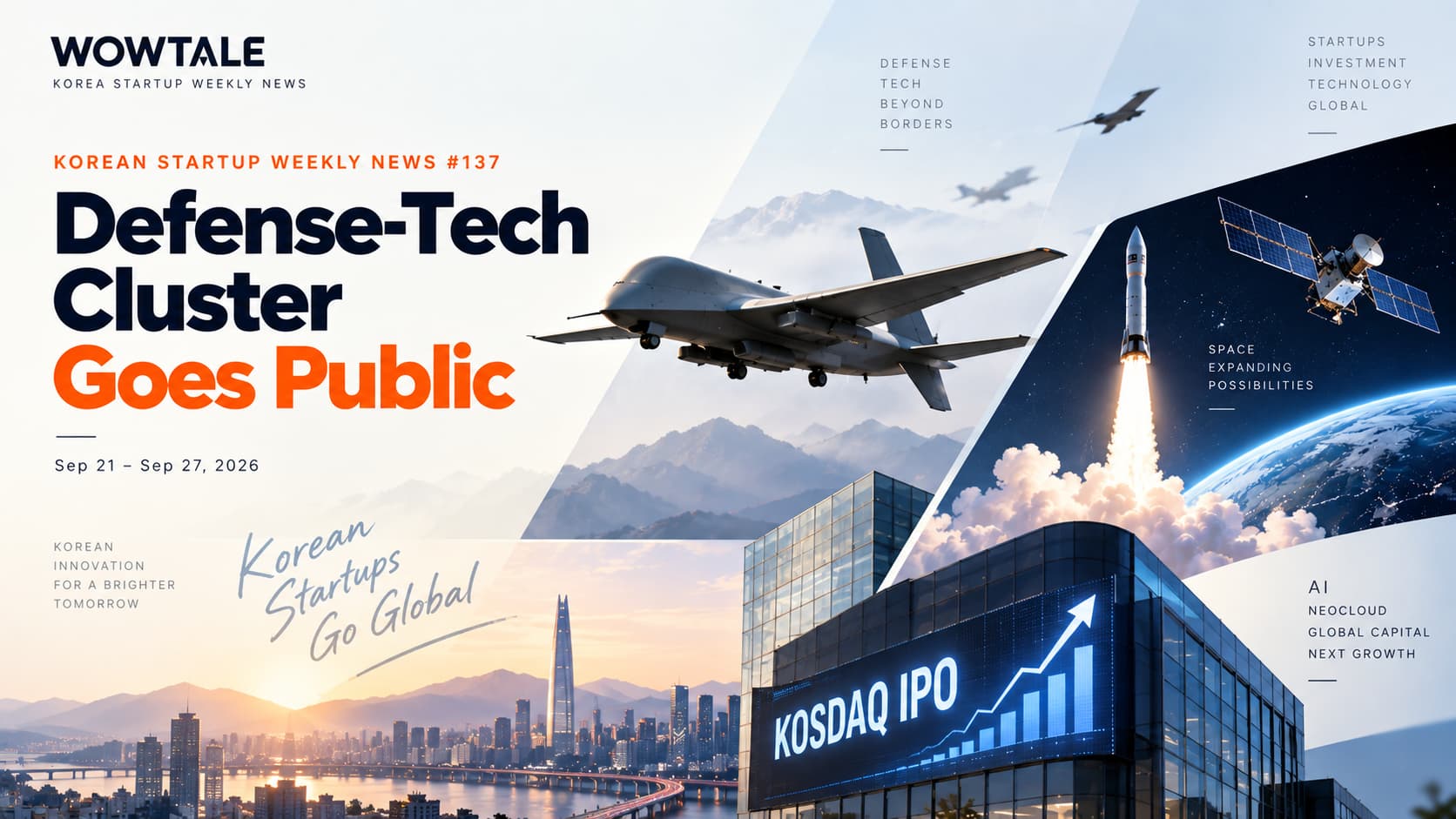
지난 24시간 동안 한국 디펜스 테크 생태계가 IPO와 투자를 통해 빠르게 성장하는 모습을 보여주었습니다. ADSYSTEM의 시리즈 A 투자 유치와 Flex System의 IPO 신청은 방산 스타트업들이 본격적인 성장 궤도에 올랐음을 보여줍니다. 또한 대전에서 열린 투자 위크가 글로벌 네트워킹을 넓히는 가운데, AI와 딥테크 중심의 투자 집중 현상도 계속 이어지고 있습니다.
지난 24시간 동안 한국 스타트업 투자 시장은 역대급 활력을 보이고 있습니다. 올해 1~9월 누적 투자가 전년 대비 207% 급증한 가운데, 바이오 벤처 투자만 1.93조 원을 기록하며 올해 한 해치고 이미 초과 달성했습니다. 정책 측면에서는 개정 벤처투자법을 통한 조기 환수 금지 조치와 신임 중소벤처기업부장관에 대한 생태계 정책 요구가 이어지고 있습니다.

신규 투자 딜보다는 생태계 건전성에 대한 우려가 커진 하루였습니다. 창업지원금 브로커 비리 민원이 급증하고 바이오텍 IPO 호가가 하락하면서 자금 수혈에 비상이 걸렸는데요. 반면 기업용 AI 중심의 스타트업 흐름은 여전히 주목받고 있습니다.
Check out today's top updates from the South Korean startup and investment scene. The biggest deal is enterprise AI agent startup Enhans raising 51.2 billion won in Series C funding. On the policy front, the government launched the 'K-Pharma Bio Frontier Companies' initiative to supercharge 50 biotech ventures for global expansion every year.

Today's Korean startup ecosystem shows a contrasting dynamic: the global expansion of AI infrastructure versus a cooling IPO market. Active AI hardware investments and partnerships between major conglomerates like Samsung, Naver, and startups are strengthening technological leadership. Meanwhile, the venture exit environment remains unstable, with about 70% of recently listed stocks trading below their IPO prices.
Today in Korea's startup and investment ecosystem, AI semiconductor startup HyperExcel drove the biggest deal with a 200 billion won Series B round, keeping deep tech momentum strong. Meanwhile, the exit environment remains difficult as 70% of newly listed IPO stocks trade below their offering prices, and the government announced plans to ease conflict-of-interest regulations to boost researcher startups. <!-- /headline --> AI Chip Startup HyperExcel Valuation Surges as IPO Slump Deepens Deep Tech Focus <!-- /headline --> 
Venture investments in Korea reached a record 8.87 trillion won (approx. $6.34 billion) in the first half of 2026, marking a 54.3% increase year-over-year. Particularly, investments in the bio and healthcare sector surged by 54%, emerging as a major growth engine alongside AI and semiconductors. Meanwhile, structural challenges like the broken growth pipeline remain, with the KOSDAQ index lingering at levels seen 30 years ago.

Today's top stories feature the demand forecasting kickoff for Duksan Neolux (formerly Doosan Solus) and the government's plan to create a 50 billion won security tech fund. Plus, following record-breaking venture investments in the first half, deep tech startups (space, biotech, defense) continue securing massive rounds, showing market capital expanding beyond AI into hardware and strategic industries.
한국 정부가 AI, 반도체, 우주, 방산 등 국가 안보 기술 스타트업 육성을 위해 500억 원 규모의 전용 펀드를 추진하며 '한국형 인큐이터(In-Q-Tel)' 모델 도입에 나섭니다. 한편, 크래프톤은 게임을 넘어 AI·로봇 영역으로 포트폴리오를 넓히며 인도에 2억 5천만 달러를 추가 투자했습니다. 상반기 벤처 투자가 역대급 호황을 맞았지만 코스닥 침체로 엑싯 지연 우려도 커지는 복합적인 국면입니다.

오늘 한국 스타트업 생태계는 'AI·반도체·로보틱스'를 필두로 한 상반기 사상 최대 투자 기록이 재조명되는 가운데, 정부가 보안 기술 스타트업에 2030년까지 2,000억 원을 투입하는 등 정책적 지원이 강화되고 있습니다. 또한 중소벤처기업부가 18.1조 원 규모의 역대 최대 예산을 편성하며 스타트업 및 신성장 분야 자금 공급을 확대할 예정입니다.

Today (September 1), the Ministry of SMEs and Startups announced its 2027 budget, scaling up Fund of Funds commitments to a record 1.3 trillion won. It also wrapped up the 50 billion won Ulsan Future Growth Fund to accelerate regional venture ecosystems. Meanwhile, on August 31, the Korea Financial Investment Association (KOFIA) and local securities firms agreed to inject a combined $720 million (estimated at over 100 billion won in investment participation) to revitalize the venture secondary market, highlighting notable improvements in exit market infrastructure.
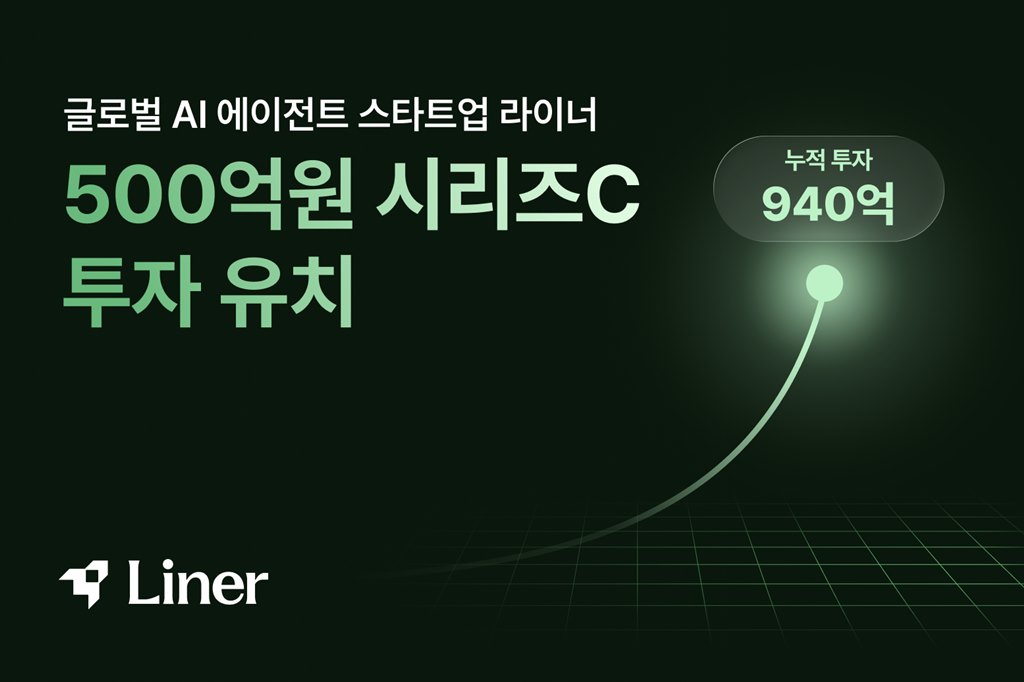
한국 AI 서비스 플랫폼 기업 '라이너(Wrtn)'가 약 1조 원(7,200만 달러)의 기업가치를 인정받으며 시리즈 C 라운드에서 1,000억 원 규모의 투자를 유치하며 글로벌 확장을 가속화합니다. 또한, 한국 스타트업 9개사가 포브스 아시아 '100 to Watch 2026' 리스트에 선정되며 글로벌 시장에서 AI 및 산업용 로봇 분야의 경쟁력을 재확인했습니다.
한국 벤처투자는 2026년 상반기 8조8,700억 원으로 반기 기준 사상 최대치를 기록했지만, AI·반도체·로보틱스 중심의 대형 라운드에 자금이 집중된 것으로 나타났다. 8월 19일에는 저전력 AI 반도체 기업 iHW가 520억 원 규모 시리즈A를 유치했으며, Graphi와 Deepfine도 각각 170억 원과 100억 원의 투자를 확보했다.
The Korean startup investment scene is entering a new phase as government agencies launch new funds and forge partnerships with top Silicon Valley VCs. Korea Post and the National Pension Service (NPS) have resumed VC funding after a year-long hiatus, while cancer genomics big data firm Inocras secured $31 million, pushing its total funding past the $100 million mark.
The South Korean government has announced a 20 trillion KRW strategic investment fund for AI and semiconductors, while signing MOUs with major Silicon Valley VCs to boost global growth. As the KOSDAQ slump restricts IPO paths for tech firms, these government-led initiatives aim to stabilize capital flow and strengthen the venture ecosystem.
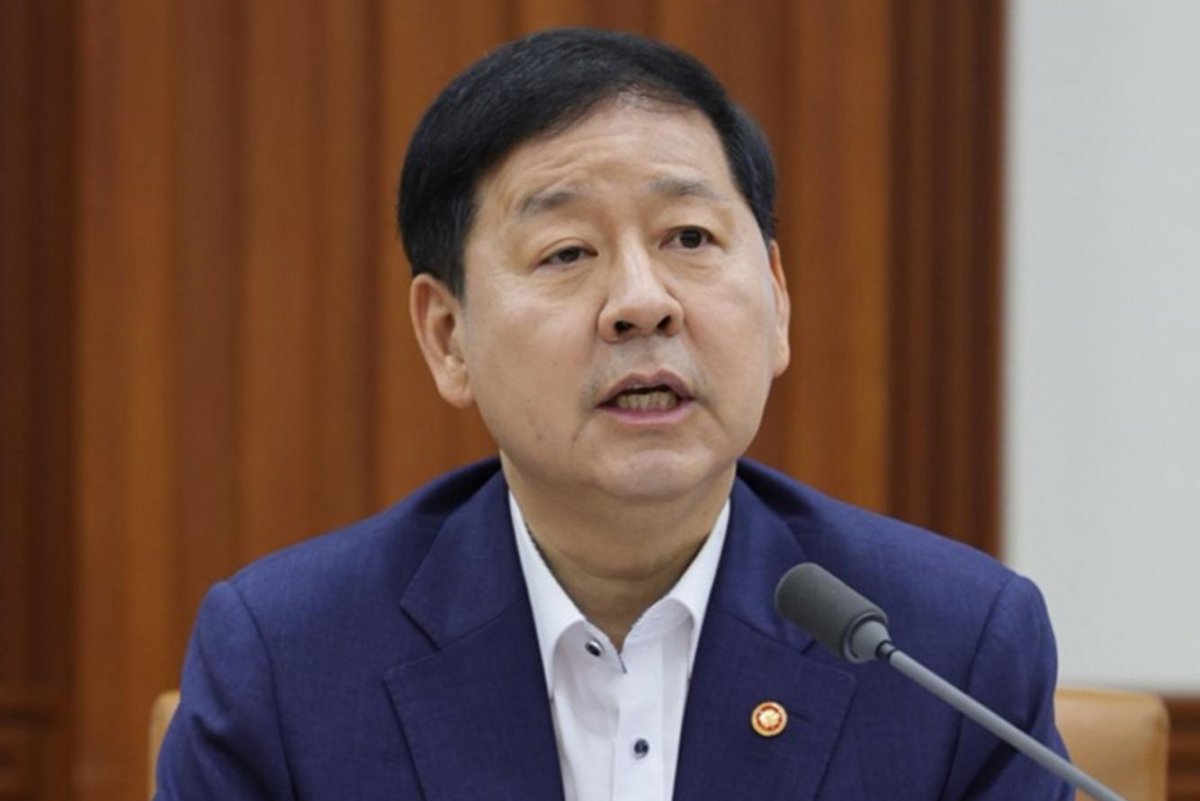
The sluggish KOSDAQ market is blocking IPO exits, causing cracks in the funding ecosystem for Korean startups. Meanwhile, the government and the National Pension Service are strengthening ties with Silicon Valley VCs to boost global investment, while capital is increasingly concentrating in the AI and robotics sectors.
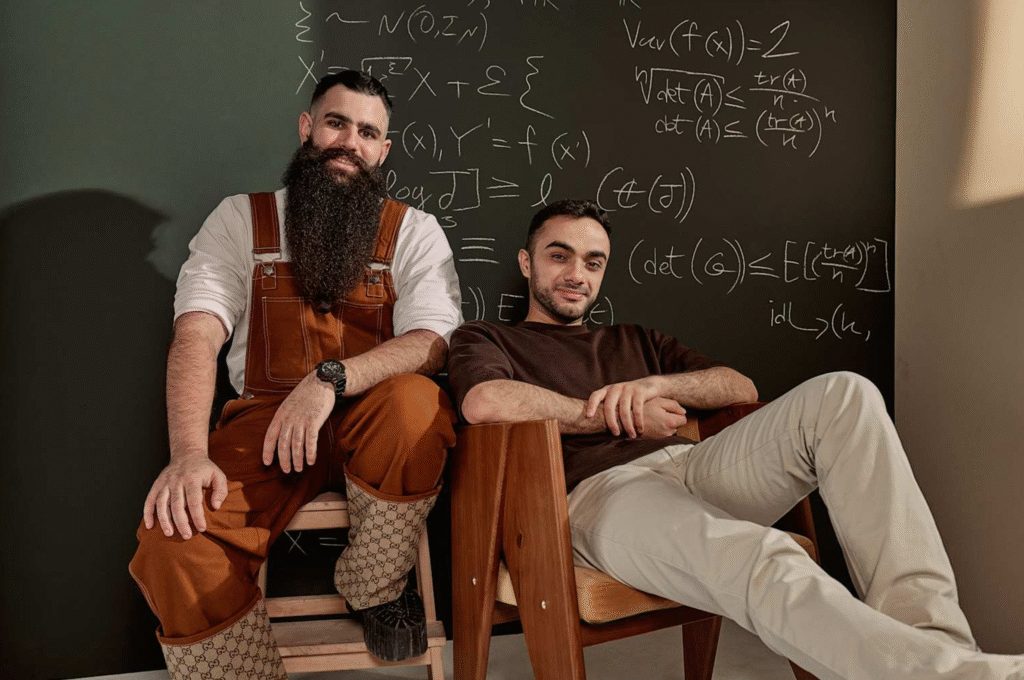
Physical AI startup Enigma has exited stealth mode after raising $71 million in seed funding. Meanwhile, South Korea’s National Pension Service (NPS) has signed investment agreements with six major Silicon Valley VCs to boost global AI investment, as Korean startups continue to draw massive, multi-billion dollar deals on the global stage.
Create custom signals on any topic. AI curates and delivers 24/7.
Create SignalPowered by
