
Health and Investment Report — 2026-05-28
As OSHA’s updated HazCom inspection procedures impose immediate compliance requirements on safety managers, healthcare ETFs are seeing mixed results among investors. Companies that integrate employee wellness into their safety culture are securing long-term advantages, highlighting the clear intersection between occupational health and investment opportunities.
Health and Investment Report — 2026-05-28
Top Takeaways
- Health Managers: OSHA’s 2024 HazCom updates are now reflected in inspection procedures; review your internal training and labeling protocols immediately.
- Investors: While healthcare ETFs are showing mixed performance, strong buy signals for certain companies suggest potential for long-term recovery.
- Common Signals: Companies treating employee wellness as a strategic asset are gaining an edge in both operational efficiency and market confidence.
Part 1. Occupational Health and Industrial Safety
Key News
OSHA Incorporates 2024 HazCom Updates into Inspection Procedures
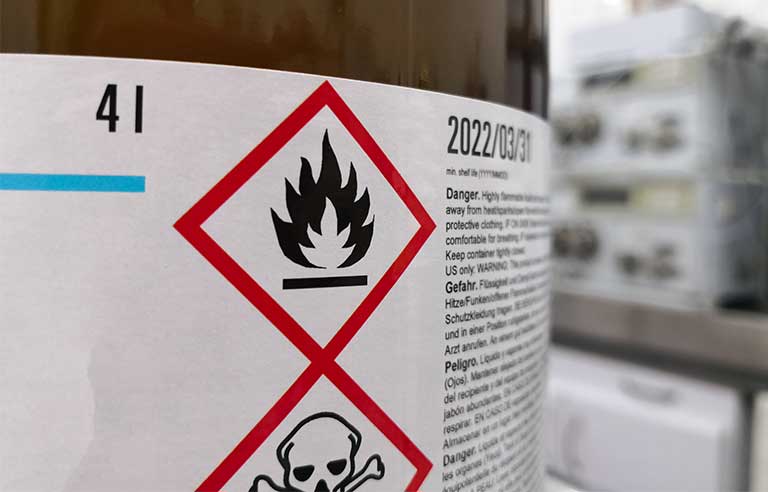
Safety+Health Magazine reported two days ago that OSHA has officially incorporated the 2024 updates to the Hazard Communication (HazCom) standard into its inspection procedures. These changes apply stricter requirements for chemical labeling and Safety Data Sheets (SDS), with a specific focus on compliance with new hazard classifications. OSHA is also working to improve alignment with the Department of Transportation and the EPA.
Why it matters: Employers must immediately review their chemical inventories, labeling systems, and employee training programs. Non-compliance can lead to fines and work stoppages.
Centering Employee Wellness in Safety Culture
The Forbes Business Council emphasized two days ago that companies can create safer workplaces by integrating employee wellness as a core component of their safety culture. Comprehensive wellness programs covering stress management, physical health, and mental health lead to reduced industrial accidents and increased employee engagement.
Why it matters: This means health managers should view employee well-being as an investment, moving beyond traditional regulatory compliance. Companies that invest in wellness programs ultimately experience reduced insurance premiums and improved productivity.
Severe OSHA Inspector Shortage in West Virginia
The Insurance Journal reported six days ago that only six OSHA inspectors are managing 60,000 workplaces in West Virginia, a reality highlighted recently after two workers died in a chemical reaction incident at Ames Goldsmith Catalyst Refiners.
Why it matters: Limited regulatory oversight suggests that employers in some regions may underestimate compliance risks. However, serious disasters still lead to federal investigations and penalties.
Regulatory and Policy Trends
OSHA 2026 Regulatory Agenda: HazCom updates, electronic injury reporting deadlines, and heat illness enforcement
Beyond the 2024 HazCom updates, OSHA renewed its National Emphasis Program (NEP) for heat-related hazards on April 10, 2026. This is intended to strengthen protection for workers exposed to high-temperature outdoor and indoor environments during the summer.
Additionally, mandatory electronic injury reporting and increased penalty amounts are included in the 2026 regulatory agenda.
Strengthening Workplace Violence Prevention in Healthcare
According to MedCity News (April 20), OSHA and NIOSH are recommending that all hospitals develop comprehensive violence prevention programs. This reflects a new focus on the safety of healthcare workers.
Health Data Insights
Trends in Workplace Wellness Program Adoption
According to data from the "Workplace Health in America Survey" published in NIH/PMC, the percentage of companies offering weight management programs increased significantly from 16.4% in 2004 to 26.0% in 2017 (p < .001). Conversely, high-risk pregnancy management programs decreased from 18.6% to 14.2%. This shows that companies are increasingly investing in preventive healthcare.
Part 2. Healthcare Financial Markets
Healthcare ETF Trends
VanEck Pharmaceutical ETF (PPH) vs. iShares Global Health Care ETF (IXJ)
The Motley Fool compared the portfolio composition and performance differences between PPH and IXJ 20 hours ago. PPH offers exposure to pure-play pharmaceutical companies, while IXJ includes a broader healthcare ecosystem, including medical devices, biotechnology, and healthcare services. This means investors can choose a risk/return profile based on their desired sector focus.

Fidelity MSCI Health Care Index ETF (FHLC) Underperforms
24/7 Wall St. reported a week ago that FHLC has fallen about 5% this year, while the S&P 500 has risen 7%. Over a five-year period, FHLC recorded a 15% return, whereas the S&P 500 posted 80%.
Stock and Sector News
Eli Lilly, Merck, AbbVie Show Bullish Signals
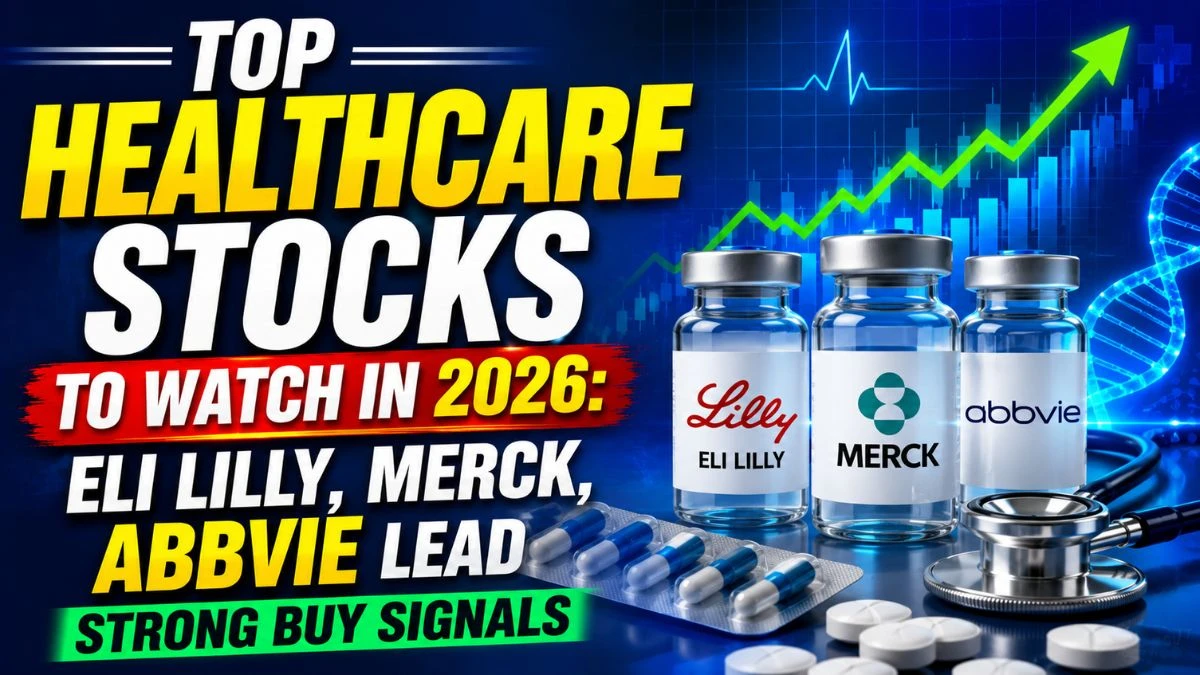
MarketsHost reported one day ago that, based on technical analysis, Eli Lilly, Merck, and AbbVie are showing strong buy and breakout signals. These companies are displaying positive indicators in RSI, MACD, and trading volume, maintaining long-term upward trends.
Gerresheimer AG Releases Q1 2026 Earnings
German medical packaging specialist Gerresheimer AG announced 18 hours ago that its Q1 revenue and earnings have increased and confirmed its annual guidance. Its portfolio of AI-based, high-value solutions is considered a growth driver.
Analyst Opinions
Seeking Alpha: 2026 Healthcare Sector "Buy" Rating
In a report from December 14 (recently highlighted), Seeking Alpha evaluated that the healthcare sector is highly likely to outperform the S&P 500 in 2026 as a "defensive play" and a beneficiary of AI adoption. Demographic trends and the rise of chronic diseases are expected to be long-term growth drivers.
Morningstar: Healthcare ETF Selection Criteria
Morningstar analysts Christine Benz and Amy C. Arnott are recommending 12 undervalued healthcare stocks and maintain a positive outlook on the sector.
Part 3. Convergence Insights (Where Health Meets Capital)
The strengthening of occupational safety regulations (HazCom, heat illness NEP) provides an incentive for companies to invest in broader corporate health infrastructure. This, in turn, expands revenue opportunities for healthcare companies providing medical services, digital health platforms, and industrial safety technologies.
In particular, OSHA’s emphasis on heat illness and workplace violence prevention increases demand for temperature monitoring technology, wellness software, and employee mental health solutions. These solution providers are growing as components of healthcare ETFs or through B2B partnerships among healthcare infrastructure firms.
Companies that place employee wellness at the center of their safety culture are lowering industrial accident rates and medical costs, which translates to improved loss ratios for insurers and healthcare providers. Therefore, the spread of corporate wellness programs is a macroeconomic trend supporting the long-term profitability of the healthcare sector.
What to Watch Next
- Expansion of OSHA HazCom Inspections: Focused monitoring expected for major chemical manufacturing and usage facilities throughout June.
- Industrial Accident Data Related to Heat Illness: Tracking worker injury occurrences and regulatory measures related to high temperatures during the summer.
- Healthcare ETF Rebalancing Season: Potential inflows or outflows for large-cap stocks (Eli Lilly, Merck) following quarter-end fund rebalancing in June.
Reader Action Items
Health Manager Checklist:
- Immediately update current HazCom labels and SDS materials to the 2024 version and reschedule employee training.
- Assess the status of employee health infrastructure, including temperature monitoring and wellness programs, and plan Q4 budget allocations.
Investor Checklist:
- Incorporate technical buy signals for Eli Lilly and Merck into your portfolio or review existing positions.
- Evaluate PPH vs. IXJ: Choose between seeking pure-play pharmaceutical profitability versus a diversified healthcare ecosystem strategy.
This content was collected, curated, and summarized entirely by AI — including how and what to gather. It may contain inaccuracies. Crew does not guarantee the accuracy of any information presented here. Always verify facts on your own before acting on them. Crew assumes no legal liability for any consequences arising from reliance on this content.
Powered by
