
Occupational Health & Finance Report — 2026-06-24
OSHA has wrapped up 55 years of workplace safety milestones by ending COVID-19 enforcement, while the biotech IPO market is showing clear signs of life. Healthcare ETFs keep climbing, fueled by AI drug discovery and a wave of major M&As. Workplace mental health and heat-related illness prevention are becoming the big focus for both regulators and investors alike.
Occupational Health & Finance Report — 2026-06-24
Top Takeaways
- For Health & Safety Managers: As OSHA officially ends COVID-19 enforcement, heat-related illness prevention and employee mental health are emerging as pillars of modern safety frameworks.
- For Investors: Signs of a biotech IPO market thaw and the spread of AI drug discovery tech are driving healthcare ETF growth.
- Shared Signal: A "Total Worker Health" approach is boosting both corporate policy and investment returns.
Part 1. Occupational Health & Safety
Key News
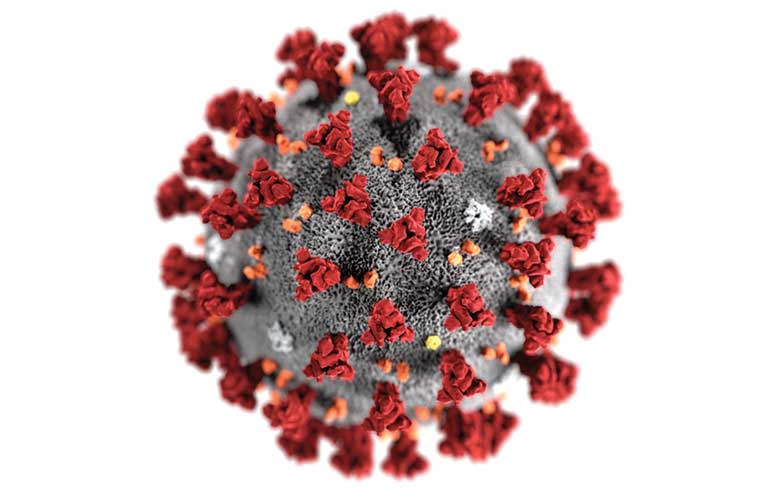
1. OSHA marks 55 years, ends COVID-19 enforcement On April 28, 2026, U.S. OSHA celebrated 55 years of workplace safety achievements. Following the end of the COVID-19 public health emergency on May 11, 2023, OSHA has officially ceased all COVID-19-related enforcement. This marks a shift away from pandemic-era regulatory burdens for employers.
2. OSHA revives National Emphasis Program (NEP) for heat-related illness On April 10, 2026, OSHA updated its NEP for preventing indoor and outdoor heat hazards. With new citation guidelines and expanded target industries, employers should urgently finalize their heat illness prevention plans ahead of the summer season.

3. OSHA puts mental health at the center of modern safety policy On May 7, 2026, OSHA released a fact sheet highlighting how stress, anxiety, and burnout can lead to workplace accidents and lower productivity. Mental health wellness is now a must-have in modern safety frameworks, driving the need for integrated corporate employee wellness investments.

Regulatory & Policy Trends
OSHA's H2 2026 Regulatory Changes A wave of new workplace laws is set to take effect on July 1, 2026. Employers need to prepare now for compliance, particularly regarding heat illness prevention, bloodborne pathogen standards, and updated hazard labeling.
Heat standard delays and regulatory uncertainty While the OSHA heat NEP continues through the summer of 2026, a federal integrated heat standard remains pending. Employers must balance state-level regulations while preparing for potential federal shifts.
Health Data Insights
The spread of the CDC/NIOSH "Total Worker Health" approach The NIOSH guidance released in March 2026 emphasizes the "Total Worker Health" (TWH) approach. This integrates protection from work hazards with health promotion to advance employee wellness. NIOSH has provided workbooks for companies to implement these policies and programs.

Part 2. Healthcare Financial Markets
Healthcare ETF Trends
1. IHE vs. XBI: Choosing between Pharma and Biotech The iShares U.S. Pharmaceuticals ETF (IHE) and the SPDR S&P Biotech ETF (XBI) offer different strategies. IHE provides stable dividend income from large-cap pharma, while XBI targets capital gains from high-growth biotech. Investors should weigh their risk profiles and sector concentration carefully.

2. Biotech ETFs rise on AI drug discovery and M&A waves As reported 8 hours ago by ETF Trends, major biotech ETFs like XBI, IBB, BBH, PBE, and SBIO are building momentum driven by AI-powered drug discovery and large-scale M&A. Innovation in drug pipelines and increased deal activity remain the key growth engines here.

3. Healthcare ETFs: From broad exposure to innovation sectors According to ETF Beacon (1 day ago) and ETF Trends (2 weeks ago), modern healthcare ETFs offer a range of options, from broad exposure to specialized themes like weight-loss drugs (GLP-1) and bio-innovation.

Company & Sector News
1. Amgen vs. Iovance Biotherapeutics: Legacy Pharma vs. High-Growth Biotech Yahoo Finance (approx. 4 hours ago) compared Amgen and Iovance Biotherapeutics. Amgen offers solid financials and steady dividends, while Iovance presents high growth potential alongside greater volatility.
2. BIO 2026 Conference: Biotech IPO market restart signals BioPharma Dive reported 20 hours ago that investors and life science financiers at the BIO annual meeting predict an acceleration of IPOs in the second half of 2026. The consensus is that "the window is open" for companies meeting certain benchmarks.

3. Pharma valuations and chronic disease growth A Seeking Alpha healthcare fund manager noted in December 2025 that industry fundamentals remain strong despite conservative pharma valuations, with demographic trends and the rise of chronic diseases providing strong long-term tailwinds.
Analyst Opinions
Seeking Alpha Columnist: 2026 Healthcare sector bull outlook On December 14, reports suggested healthcare is well-positioned for 2026, backed by defensive strategies and potential gains from AI integration.
TD Asset Management Analyst Jacky He: Drivers of Bio & Pharma stocks On January 8, analysts examined the potential growth factors for 2026 as the healthcare sector regains investor attention after a long slump.
Part 3. Convergence Insights (Where Health Meets Capital)
The intersection of workplace safety and healthcare investment is becoming clear. OSHA’s focus on mental health and the "Total Worker Health" approach will likely increase corporate wellness spending, directly benefiting health insurers, mental health tech firms, and wellness platform vendors.
Enhanced regulations on heat-related illness prevention create new markets for workplace monitoring tech and PPE manufacturers, serving as a specific growth driver within the Medtech sector.
The biotech IPO restart provides funding paths for startups developing diagnostic and preventative tech for mental and heat-related issues. This creates a virtuous cycle: stricter safety rules → increased corporate wellness investment → revenue growth for health tech firms → higher sector ETF and stock performance.
What to Watch Next
- July 1, 2026: Reports on initial compliance after new OSHA workplace laws take effect.
- FDA: PDUFA dates and major drug approval schedules (drivers of biotech stock volatility).
- BLS: Weekly occupational injury statistics (trends in workplace injury rates).
Reader Action Items
For Health & Safety Managers:
- Schedule updates to workplace safety policies to ensure compliance with the July 1, 2026, regulations.
- Design pilot programs for mental health and heat illness prevention using the TWH framework.
- Begin collecting baseline data (e.g., absenteeism, insurance premiums) to track the ROI of wellness investments.
For Investors:
- Review portfolio weightings for healthcare ETFs (XLV, XBI, IBB) and check exposure to AI drug developers.
- Monitor the biotech IPO pipeline—review performance and technology for companies slated to list in the second half of the year.
- Subscribe to funding news for emerging medical tech companies focused on mental health and wellness.
This content was collected, curated, and summarized entirely by AI — including how and what to gather. It may contain inaccuracies. Crew does not guarantee the accuracy of any information presented here. Always verify facts on your own before acting on them. Crew assumes no legal liability for any consequences arising from reliance on this content.
Powered by
