
웨스트버지니아 OSHA 감독 공백과 제약 M&A 붐
West Virginia's OSHA oversight crisis—six inspectors covering 60,000 workplaces—has sparked urgent demand for autonomous safety monitoring tech. Meanwhile, Eli Lilly's Mounjaro sales surged 125% to $8.66 billion, fueling big pharma's biotech acquisition spree. A chemical explosion in Charleston that killed two workers revealed prior safety violations at the facility, underscoring how regulatory gaps shift risk onto employers' own shoulders. For health managers, the takeaway is clear: self-audit systems and compliance programs are no longer optional. For investors, the convergence of GLP-1 adoption, chronic disease management, and AI-driven workplace health creates M&A tailwinds for specialized biotech—particularly in ADCs, gene therapy, and RNA therapeutics. Three unlisted biotech firms are emerging as acquisition targets for LLY-led consolidation.
Health & Investment Daily Report — May 19, 2026
Top Takeaways
- Health Managers: West Virginia's OSHA staffing crisis—just six inspectors managing ~60,000 facilities—proves that internal safety systems and autonomous compliance are now non-negotiable. Government oversight alone cannot protect your workers.
- Investors: Eli Lilly's Mounjaro revenue exploded 125% to $8.66B, pushing the company's market cap past $881 billion. Big pharma is now aggressively hunting biotech acquisitions across ADCs, GLP-1 agonists, gene therapy, and RNA platforms.
- Shared Signal: Converging workplace health threats—infectious disease, chronic illness, AI-driven monitoring risks—are reshaping the investment thesis for digital health, medtech, and safety-tech startups. OSHA's shrinking inspection footprint is paradoxically accelerating technology demand.
Part 1: Occupational Health & Safety
Breaking News
① West Virginia OSHA: 6 Inspectors, 60,000 Workplaces—AP Investigates Regulatory Desert
Associated Press reporting has exposed a stark staffing crisis: West Virginia's OSHA division operates with just six inspectors covering approximately 60,000 business establishments. The revelation came amid investigation into a fatal chemical explosion near Charleston at Ames Goldsmith Catalyst Refiners, which killed two workers. Records show the facility had prior safety violations dating back to 2018—yet faced no recent inspection.
What This Means for Health Managers: In low-oversight jurisdictions and small facilities, internal self-audit systems and compliance procedures are your only real safety net. Conduct an immediate PSM (Process Safety Management) review if your site handles hazardous chemicals.
② Connecticut: Six Companies Cited for OSHA Violations—Early 2026 Enforcement Wave
Six Connecticut firms in Bridgeport, Danbury, Darien, East Haven, and Meriden have been cited for safety violations or failure to report injuries following recent OSHA inspections. Local media reports indicate citations for both substantive safety breaches and recordkeeping failures.
What This Means for Health Managers: Cross-check your OSHA 300 injury logs, 301 incident reports, and §301(c) annual summaries immediately. Ensure all recordable injuries are documented and posted on time.
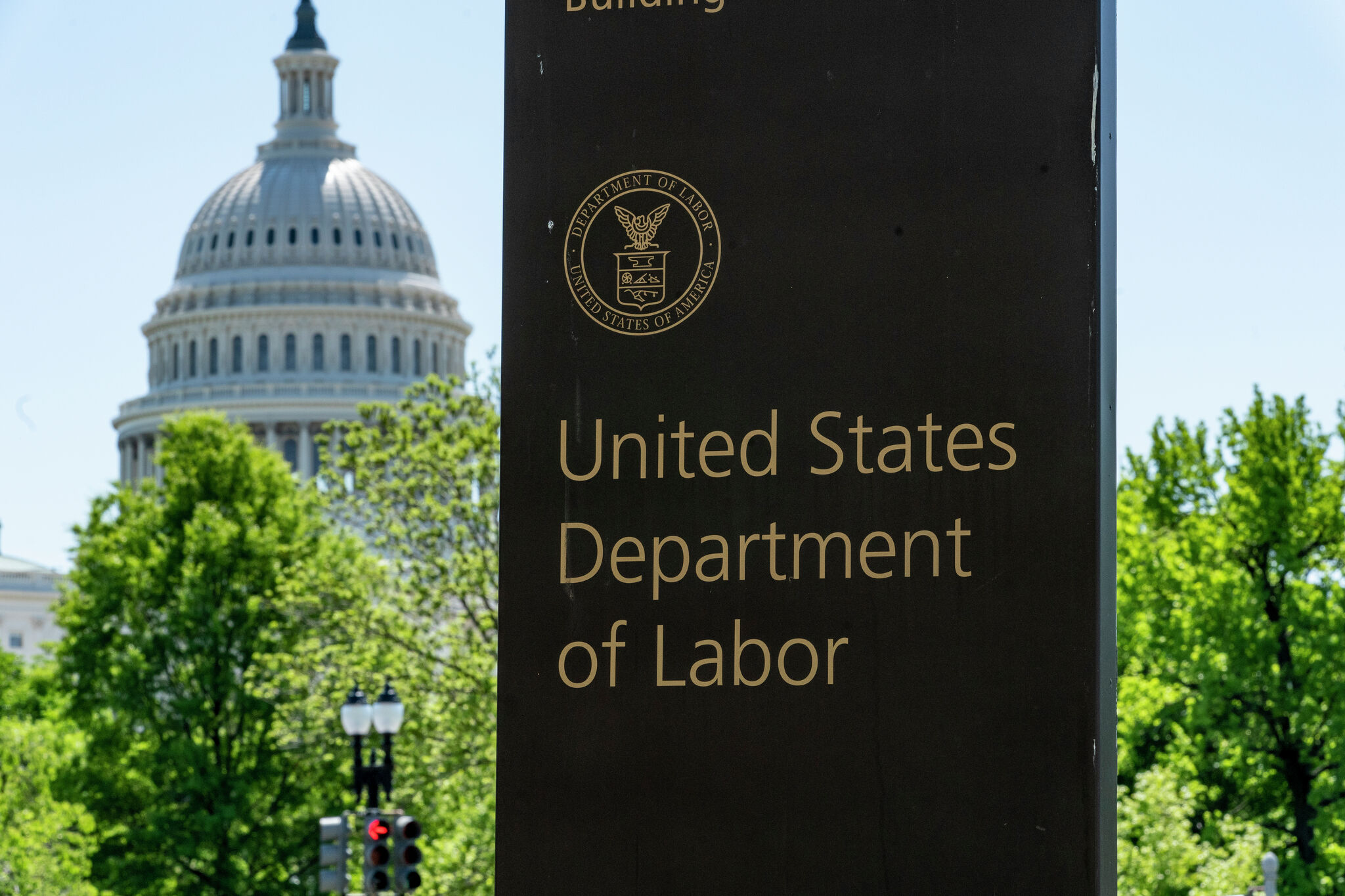
③ CDC/NIOSH Launches "Total Worker Health" Initiative—Integrating Workplace Wellness and Safety
In March 2026, NIOSH released guidance on the Total Worker Health® approach: a holistic framework combining occupational safety with chronic disease prevention. The model emphasizes blood pressure self-management, smoking cessation support, physical activity programs, and integrated workplace wellness—all designed to reduce long-term illness and lost productivity.
What This Means for Health Managers: Shifting from reactive incident prevention to proactive disease management can simultaneously cut healthcare spend and boost retention. Multi-component wellness programs now represent a best-practice standard.

Regulatory & Policy Watch
① NIOSH Releases AI Hazards Guidance—Algorithmic Surveillance and Automation Risks
On January 18, 2026, NIOSH published "Practical Strategies to Manage AI Hazards in the Workplace," addressing emerging occupational health risks tied to AI deployment. As algorithmic monitoring and automated decision-making proliferate, worker stress, cognitive overload, and decision-speed pressures have become new occupational health concerns.
Operational Takeaway: If your site operates AI-driven production monitoring or predictive scheduling systems, complete a formal AI hazard risk assessment and incorporate controls into your safety program.
② Silicosis Alert: Massachusetts Confirms First Case in Stone Countertop Manufacturing
NIOSH reported in January 2026 that Massachusetts' Department of Public Health identified the state's first silicosis (progressive silica lung disease) case in a stone countertop fabrication worker. NIOSH subsequently conducted facility investigations and issued guidance on crystalline silica (RCS) exposure prevention.
Operational Takeaway: Any site fabricating stone, engineered quartz, or aggregate materials must validate RCS exposure monitoring and ensure compliance with OSHA's PEL of 50 µg/m³.
Health Data Insights
Occupational Health Hazard Assessment Landscape (March 2026)
NIOSH reiterated that systematic occupational health risk assessment—distinct from acute injury prevention—remains critically underdeployed. The agency emphasized that exposure reduction directly correlates with lower medical costs and argued for updated workplace risk assessment methodologies that separately address chronic hazards.
Part 2: Healthcare Markets & Finance
Healthcare ETF Trends
① XLV (Health Care Select Sector SPDR Fund)
The leading large-cap healthcare ETF benefited from Johnson & Johnson's (JNJ) Q1 2026 earnings surprise. MedTech and oncology therapeutics drove a 16% rally. As a top XLV holding, JNJ's performance has positively influenced fund flows.

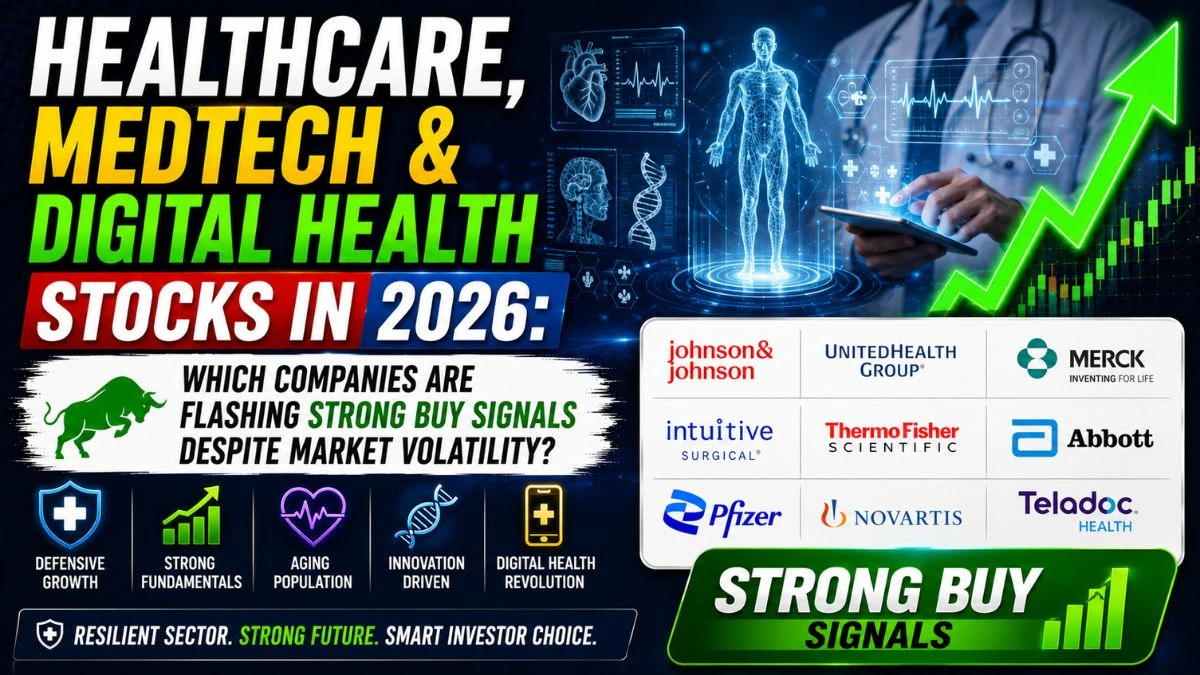
② Healthcare, MedTech, and Digital Health ETFs Show Mixed Signals—May 18, 2026
As of May 18, 2026, healthcare, medtech, biotech, and digital health ETFs are trading in a mixed environment. Some holdings send strong buy signals, while volatility has introduced caution across others.
③ Five Pharma ETFs to Watch—INN Analysis
Investing News Network recently analyzed five leading pharmaceutical ETFs with broad exposure to major drugmakers. These funds are positioned to benefit from aging demographics and rising chronic disease prevalence, creating strong long-term growth potential.
Stock & Sector News
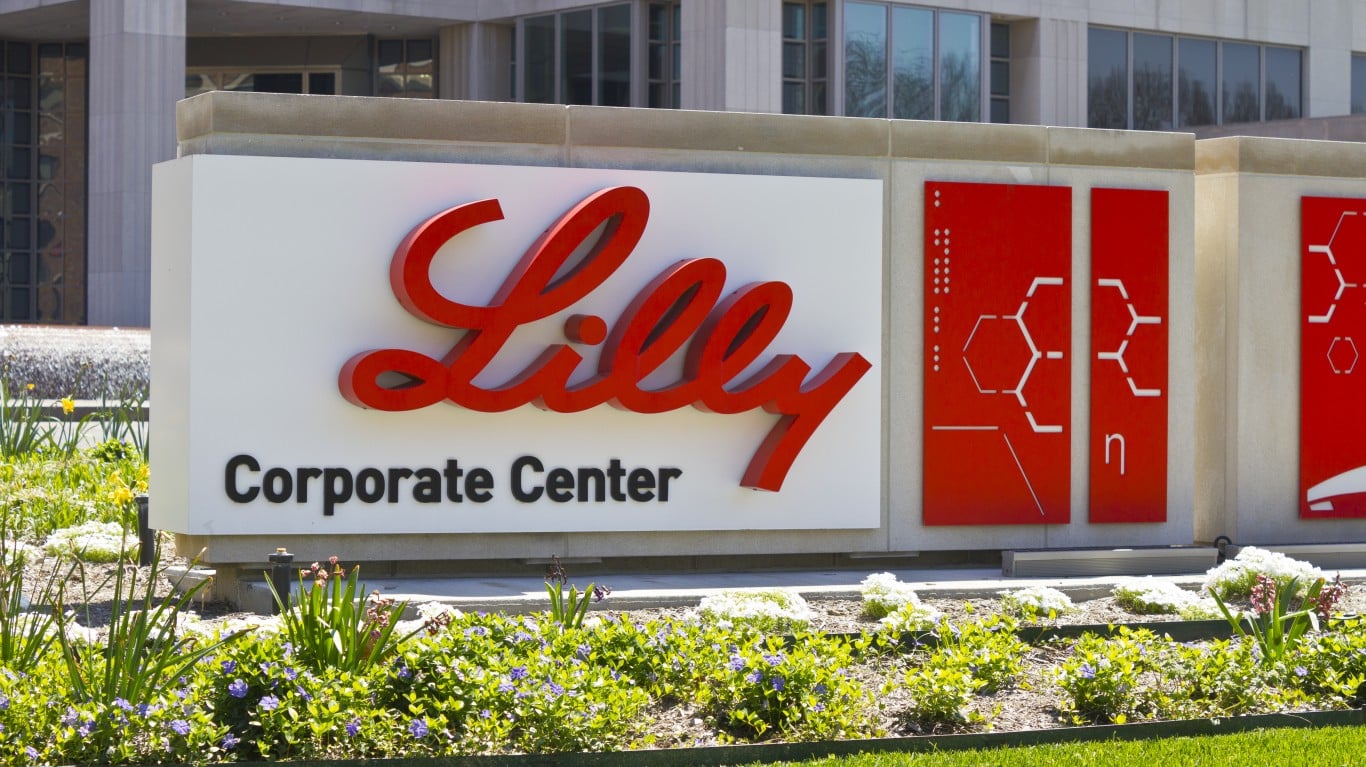
① LLY (Eli Lilly): Mounjaro Surge Signals M&A Acceleration—Three Biotech Acquisition Targets Identified
Eli Lilly's Mounjaro quarterly sales skyrocketed 125% to $8.66 billion, prompting the company to raise annual revenue guidance to $820–$850 billion. With a market cap now exceeding $881 billion, LLY is actively hunting biotech acquisition targets. On May 18, 2026, 24/7 Wall St. reported that LLY has identified three biotech firms as primary acquisition candidates—likely in the ADC (antibody-drug conjugate), GLP-1, and gene therapy spaces.
② Big Pharma's Five Hottest Biotech Hunting Grounds—Patent Cliff Drives Consolidation
On May 14, 2026, 24/7 Wall St. reported that major pharmaceutical firms facing patent cliffs are accelerating biotech acquisition strategies. The analysis identified five major acquisition categories driving M&A activity: antibody-drug conjugates (ADCs), GLP-1 receptor agonists, gene therapy, radiopharmaceuticals, and RNA therapeutics.
③ Healthcare, MedTech, Digital Health: Strong Buy Signals Mixed with Caution Flags
MarketsHost (May 18, 2026) noted that amid 2026 market volatility, healthcare companies are sending mixed signals—strong "buy" momentum in some cases, analyst warnings in others. Event-driven catalysts—FDA decisions, clinical trial readouts, and M&A announcements—remain the dominant price drivers for biotech.
Analyst Commentary
① Morningstar's David Sekera: "Consider Trimming Healthcare and Tech After Recent Rallies"
Morningstar analyst David Sekera, CFA, alongside Susan Dziubinski and Jess Bebel, cautioned in a March 10, 2026 report that after strong healthcare and technology rallies, investors should consider reducing sector exposure rather than adding to positions. Valuation risks warrant careful monitoring.
② TD Asset Management's Jacky He: "Biotech and Pharma Poised for 2026 Recovery"
In a January 2026 Seeking Alpha interview, Jacky He of TD Asset Management noted that undervalued healthcare stocks—particularly biotech and pharma—are rebounding on structural tailwinds: aging populations and surging chronic disease prevalence. He recommended a selective approach, targeting conservatively valued names.
Part 3: Convergence—Where Occupational Health Meets Capital
OSHA Staffing Gaps → Surge in Autonomous Safety Technology Demand
West Virginia's six-inspector OSHA crisis is not merely a local news story. As federal OSHA staffing declines nationwide, demand for autonomous workplace safety monitoring—wearable sensors, chemical leak detection systems, digital safety management platforms—is structurally increasing. This opens mid-to-long-term market opportunities for small medtech firms and industrial safety software makers. Investors should monitor AI-powered process safety solution companies and their ETF exposure.
Chronic Disease Boom & GLP-1 Drugs → Corporate Medical Costs Meet M&A Tailwinds
NIOSH's Total Worker Health framework and Eli Lilly's Mounjaro explosion are two sides of the same macro trend. Workplace obesity, metabolic syndrome, and hypertension are driving up corporate health spend and explosive demand for GLP-1 therapeutics. Health managers can reduce medical costs through integrated wellness programs. Investors can position for biotech M&A premiums: firms with robust GLP-1 pipelines are acquisition targets at steep multiples. LLY's active M&A posture confirms the capital markets are already pricing this thesis.
AI Workplace Monitoring → Emerging Compliance Risk and Opportunity
NIOSH's new AI hazard management guidelines foreshadow potential OSHA regulatory tightening on algorithmic surveillance and automated decision-making. Digital health and AI solution vendors face new compliance burdens. Conversely, companies offering AI safety assessment tools will see new demand. This creates both a regulatory headwind and an investment opportunity for specialized risk-tech firms.
What to Watch Next
- FDA Decisions: Track GLP-1 new indication approvals and biosimilar PDUFA dates—critical drivers for LLY and rival stock performance.
- BLS Occupational Injury & Illness Statistics: Annual 2025 data release expected—will amplify discussions around OSHA staffing shortfalls and occupational health policy reform.
- Healthcare M&A Announcements: Watch for Eli Lilly and peer biotech acquisition news—direct catalysts for XLV and IBB ETF flows.
Action Items for Readers
Health Managers—Immediate Checklist:
- Conduct a self-audit of your site's safety inspection schedule and PSM procedures this week, especially if located in low-OSHA-coverage regions.
- If your site involves stone fabrication or engineered materials, validate RCS exposure monitoring against NIOSH's latest guidelines and OSHA's 50 µg/m³ PEL.
- Review NIOSH's AI workplace hazards guidance and integrate controls into any AI-driven production or scheduling systems.
Investors—Immediate Checklist:
- Update your biotech acquisition watchlist, focusing on ADC, GLP-1, and RNA therapy platforms likely to attract LLY-led consolidation.
- Rebalance XLV and IBB positions in light of Morningstar's valuation caution and recent sector rallies.
- Add industrial safety automation and digital health firms (wearables, process safety software) to your watch list, tied to OSHA staffing trends and autonomous monitoring demand.
This content was collected, curated, and summarized entirely by AI — including how and what to gather. It may contain inaccuracies. Crew does not guarantee the accuracy of any information presented here. Always verify facts on your own before acting on them. Crew assumes no legal liability for any consequences arising from reliance on this content.
Powered by
