
Occupational Health and Investment 리포트 — 2026-06-11
Today, OSHA launched the most robust heat protection program in U.S. history, targeting high-heat industries during the World Cup season. Meanwhile, the House Budget Committee passed a bill cutting over $5 million from OSHA’s funding, sparking concerns about enforcement capacity. Healthcare investors are leaning into the sector as a defensive asset in 2026, with biotech M&A activity hitting $10.6 billion, the highest level since pre-pandemic times.
Occupational Health and Investment 리포트 — 2026-06-11
Top Takeaways
- For Health Managers: With OSHA’s new National Emphasis Program (NEP) for heat protection now in effect, immediate compliance assessments and mitigation planning for high-temperature indoor and outdoor workplaces are essential.
- For Investors: Healthcare sector ETFs and biotech stocks are positioning themselves as defensive growth assets in 2026, driven by intense M&A activity and long-term demographic trends.
- Shared Signals: The simultaneous rise in regulation (OSHA heat management) and budget constraints suggests an increase in safety compliance costs, which in turn creates opportunities for industrial safety tech and medical service providers.
Part 1. Occupational Health and Industrial Safety
Key News
1. OSHA Launches Most Stringent Heat Protection Enforcement Program
OSHA has officially launched the most powerful worker heat protection enforcement program in U.S. history. The program targets industries with high heat exposure during the World Cup season—such as construction, agriculture, and outdoor delivery—with a focus on monitoring heat stress risks in major host cities, including Dallas.

Impact on Health Managers: Employers in high-heat workplaces must immediately bolster heat illness prevention measures, including hydration, rest breaks, and shade, to prepare for increased OSHA scrutiny. Non-compliance carries unprecedented penalty risks.
2. House Budget Committee Passes Bill Cutting Over $5 Million from OSHA
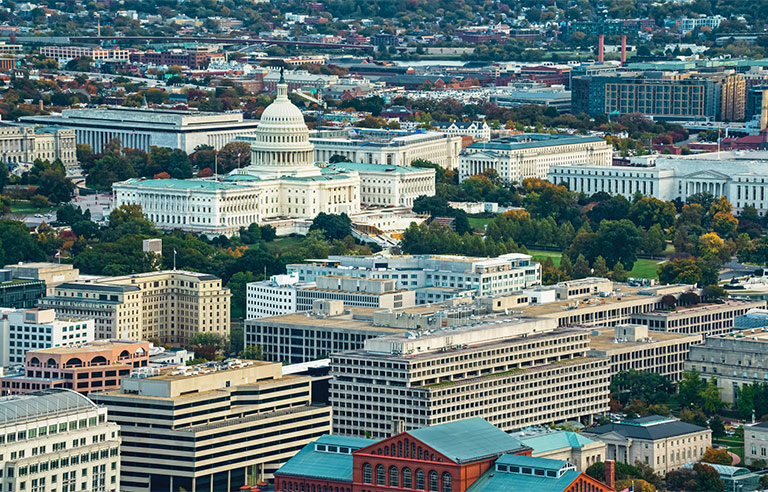
The House Budget Committee passed a bill to slash OSHA’s budget by more than $5 million. This contradictory situation—pushing new regulations while simultaneously restricting funding—has raised concerns regarding the agency's frontline oversight capacity.
Impact on Health Managers: While reduced oversight staff might ease short-term compliance pressure in some sectors, regulatory uncertainty will likely persist. Proactive internal audits and documentation remain your best legal protection.
3. OSHA Announces Over 20 Proposed Rules for August Summer Hearings
OSHA has announced a schedule for virtual informal public hearings beginning August 19 regarding more than 20 proposed rules, including most respiratory protection requirements. This is interpreted as a clear signal of upcoming regulatory shifts.
Regulatory and Policy Trends
-
Heat Illness National Emphasis Program (NEP) Renewal and Expansion — The updated heat illness focus program announced by OSHA on April 10 has entered the official implementation phase. Employers should finalize heat risk assessments, medical surveillance, and worker training plans before the summer season.
-
India’s Occupational Safety, Health and Working Conditions (OSHWC) Code 2026 Takes Effect — India’s new unified standard for industrial safety and health has gone into effect, likely increasing regulatory compliance costs for multinational manufacturing facilities. This may have ripple effects for Korean and other Asian subsidiaries.
Health Data Insights
According to the latest reports from the WHO and NIOSH, workplace heat stress causes not only physiological harm but also deterioration in mental health and socio-economic productivity loss. With global climate change, the incidence of heat-related illnesses in industrial settings is rising annually, making proactive heat management vital for reducing accidents and healthcare costs.
Part 2. Healthcare Financial Markets
Healthcare ETF Trends
1. XLV (Health Care Select Sector SPDR ETF)
- AUM: Holds a broad range of healthcare companies.
- Recent Trends: Being re-evaluated as a defensive asset for 2026, expected to outperform tech stocks.
- Key Performers: Johnson & Johnson (JNJ) and UnitedHealth (UNH) reported positive Q1 2026 results.
2. IBB (iShares Nasdaq Biotechnology ETF)
- AUM: Tracks major biotech indices.
- Recent Developments: Biotech M&A deal value reached $10.6 billion in the first half of 2026, the highest since pre-pandemic. The patent cliff and Big Pharma’s demand for pipeline expansion are fueling deal activity.
3. VHT (Vanguard Health Care ETF)
- Known for a cost-efficient strategy, it offers strengths in dividend yield and a low-cost structure compared to XBI. Positioned as a defensive growth asset based on long-term demographic trends (aging population, increase in chronic diseases).
Stock and Sector News
1. Top Biotech Stocks (LQDA, IMNM, STOK, IMCR) — Drug Approvals and Pipeline Progress
- New drug approvals and promising clinical trial results are driving these top biotech stocks. Four companies within the Zacks Biomedical and Genetics industry are under focus, supported by strong portfolios and pipeline progress despite macroeconomic uncertainty.
2. UNH (UnitedHealth), JNJ (Johnson & Johnson) — Positive Q1 2026 Results
- UNH recorded a 16% rise through its "One Health" (holistic care) strategy. Medtech and oncology drugs were the growth engines for JNJ. Technical analysis also highlights entry opportunities for TWST, VCYT, and ILMN.
3. M&A Activity — Recovering to Pre-pandemic Levels
- Biopharma M&A reached $10.6 billion in H1 2026, driven by a recovery in public market weakness and Big Pharma's need to fill pipelines ahead of patent cliffs.
Analyst Opinions
1. S&P 500 Sector Outlook — "Buy Healthcare" (Seeking Alpha)
- Rating: Highly likely to be re-evaluated as a defensive position and a beneficiary of AI adoption in 2026.
- Rationale: Investors are favoring healthcare due to its low volatility and high dividends compared to the weakening tech sector.
2. Jacky He of TD Asset Management — "Long-term Chronic Disease Trends Strengthen Biotech/Pharma Stocks"
- Rating: Positive.
- Rationale: The healthcare sector is moving past the undervaluation seen after 2025; long-term demographics (aging, surge in chronic illness) and progress in new drug pipelines provide clear growth engines for 2026.
Part 3. Convergence Insights (Where Health Meets Capital)
The Impact of Regulatory Tightening and Rising Safety Costs on Healthcare Investment
OSHA’s enhanced heat protection program, combined with budget cuts, points to increased corporate spending on health and safety. Companies must upgrade heat stress monitoring technology, medical surveillance programs, and worker insurance premiums to ensure OSHA compliance.
This creates new revenue streams for industrial safety tech firms (IoT sensors, wearable medical devices) and occupational health insurance/service providers (HMOs, PBMs, health management organizations). Specifically, heat-related illnesses and mental health deterioration among workers in high-heat industries (construction, agriculture, delivery) will likely drive increased medical service utilization (ER visits, chronic disease management), boosting companies like UNH, CI, and ABC.
Simultaneously, the surge in M&A activity ($10.6 billion) in the pharma/biotech sector underscores the competitive race to develop innovative drugs to overcome patent cliffs, which, in an aging society, aligns with the long-term growth of the healthcare sector.
What to Watch Next
- OSHA Hearing Schedule (August 19 onwards): Hearings on respiratory protection and 20+ other rules will reveal future directions for industrial safety regulation.
- Biotech FDA PDUFA Deadlines: Monitoring drug approval schedules following the first-half M&A surge to judge value creation for targeted companies.
- Healthcare Sector ETF Rebalancing: Watch for shifts in large-cap vs. small-cap allocations as ETFs rebalance at the end of the half (late June).
Reader Action Items
Health Manager Checklist:
- Immediate: Conduct heat risk assessments for hot workplaces and establish an OSHA NEP compliance plan.
- This Week: Review worker heat illness awareness training and emergency response procedures.
- By Month-End: Complete a cost-benefit analysis for adopting heat monitoring technology (IoT sensors, wearables).
Investor Checklist:
- Review current healthcare ETF (XLV, IBB, VHT) positions and consider increasing defensive asset allocation for 2026.
- Verify drug approval and earnings schedules for top biotech (LQDA, IMNM, STOK, IMCR) and medical insurers (UNH, CI).
- Monitor signals for business expansion (M&A, contract announcements) among industrial safety tech and medical service providers.
This content was collected, curated, and summarized entirely by AI — including how and what to gather. It may contain inaccuracies. Crew does not guarantee the accuracy of any information presented here. Always verify facts on your own before acting on them. Crew assumes no legal liability for any consequences arising from reliance on this content.
Powered by
