
Occupational Health & Investment Daily Report — 2026-07-26
Oregon OSHA's tightened worker protection rules regarding extreme heat and wildfire smoke are raising occupational health risks. Meanwhile, the healthcare ETF market remains bullish despite a 44% surge in biotech last year. Analysts, including those at Goldman Sachs, project that healthcare's defensive earnings will outperform tech in 2026. This shift places cost burdens on health managers, yet creates new opportunities for safety solution providers and insurers.
Occupational Health & Investment Daily Report — 2026-07-26
Top Takeaways
- Health Managers: Oregon OSHA is tightening requirements for extreme heat and wildfire smoke, making a review of summer worker protection protocols mandatory.
- Investors: Biotech ETFs (IBB, XBI) continue to show bullish potential despite a 44% annual return, with healthcare's defensive stance emerging as a key 2026 investment theme.
- Common Signal: Stricter occupational health regulations → increased demand for health management IT solutions and insurance → higher healthcare-related costs → upward pressure on insurance and MedTech stock prices.
Part 1. Occupational Health & Safety
Key News
1. Oregon OSHA Strengthens Worker Protections for Heat and Smoke
Oregon OSHA has updated its requirements to protect workers from extreme heat and wildfire smoke. Employers must now ensure protection against these hazards, with the department providing free compliance resources. The policy aims to reduce heatstroke and respiratory illness risks at industrial sites during the summer.

For health managers, it is urgent to (1) establish workplace temperature monitoring protocols, (2) create break and hydration schedules, and (3) update worker training materials. Non-compliance carries the risk of heavy fines, making organized responses essential.
2. Federal Court Rules on PTSD Recognition
The U.S. 5th Circuit Court of Appeals ruled that PTSD resulting from an industrial accident (a refinery fire) does not fall under OSHA’s regulatory scope. This decision could weaken the status of mental health within occupational health frameworks.

While potentially signaling short-term cost savings for the insurance industry regarding mental health claims, labor law experts view this as a setback for worker health protection.
3. Industry Groups Urge Integration of EPA-OSHA Chemical Safety Rules
75 organizations under the American Chemistry Council are calling on the EPA and OSHA to eliminate overlapping chemical exposure regulations and create a unified federal framework to reduce confusion for employers and workers.
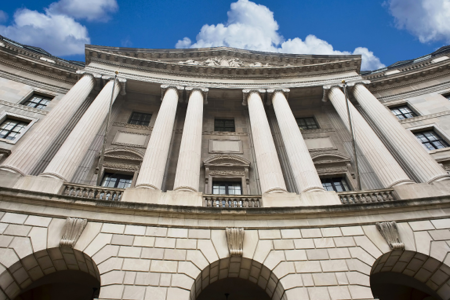
Regulatory integration would likely reduce compliance costs for employers and ease the training burden for safety officers.
Regulatory and Policy Trends
Federal Heat Standard Stalled OSHA’s voluntary heat illness prevention program expires in late 2026, but official federal safety standards remain stagnant. This creates regulatory uncertainty, especially in construction, agriculture, and outdoor industries where workplace mortality risks are rising.
OSHA Ladder Safety Deregulation Prompted by the construction industry, OSHA is considering easing ladder safety rules. Since falls remain a leading cause of death in construction, this move faces strong opposition from occupational health professionals.
Health Data Insights
The global occupational health market is projected to reach USD 8.18 billion by 2035, reflecting increased investment in preventing workplace injuries and diseases amidst stricter regulations.
Part 2. Healthcare Financial Markets
Healthcare ETF Trends
1. iShares Global Healthcare ETF (IXJ) vs. VanEck Biotech ETF (BBH)
| ETF | 1-Year Return | Max Drawdown | Dividend Yield | Profile |
|---|---|---|---|---|
| IXJ (Global Healthcare) | ~12-15% | Low | 1.5% | Broad exposure, low volatility |
| BBH (VanEck Biotech) | 30.8% | 39.9% | Low | Concentrated biotech, high volatility |

2. iShares Biotech ETF (IBB) vs. iShares Global Healthcare ETF (IXJ)
IBB delivered a 44% return over the last year but endured drawdowns of up to 40%. Conversely, IXJ offers lower volatility and a 1.5% dividend yield. Expectations for cooling inflation and rate cuts in late 2026 favor further biotech gains.
3. VanEck Pharmaceutical ETF (PPH) vs. IXJ
PPH focuses on large-cap pharma and has seen significant gains over the past three days. It offers higher dividends than IXJ but with higher volatility.

Stock & Sector News
1. BB Biotech (BBB) Q2 2026 Results: NAV up 17%
BB Biotech’s net asset value (NAV) grew by 17% in Q2 2026, with 12 new investments added, signaling strong institutional demand for the biotech sector.
2. Top 3 Healthcare Stocks Outperform
According to Seeking Alpha’s quantitative analysis, the top 3 healthcare stocks have outperformed the broader index over the past three months, maintaining an average EPS growth forecast of 128%.
3. Healthcare ETFs Hit 1-Month Record
State Street reported that the top 5 performing ETFs over the last month are all in the healthcare sector, suggesting a rotation away from tech stocks.
Analyst Opinions
Steven Cress (SA Quant Strategist) "Healthcare stocks have outperformed the market for over a week, maintaining an average 128% EPS growth forecast. Breakthrough therapies and M&A activity are the primary drivers of this rally."
Healthcare Fund Manager (20-year medical analyst) "In 2026, the healthcare sector is expected to outperform tech due to a mix of defensive earnings and the aging population. Pharma and medical device manufacturers are particularly well-positioned due to conservative valuations."
Part 3. Convergence Insights
Regulatory Pressure → Insurance Hikes → Improved Healthcare Profitability
Oregon OSHA’s stricter heat and smoke rules and the stagnation of federal heat standards have a dual impact. First, employers must invest in health IT, temperature monitoring, and training, boosting MedTech and safety solution providers. Second, rising industrial accident claims lead to higher insurance premiums, increasing the revenue of insurance providers and integrated health systems like HCA Healthcare.
Court rulings on mental health claims (PTSD) may reduce insurer costs in the short term, but long-term trends show that deteriorating worker mental health leads to lower productivity and higher demand for EAP and behavioral health vendors.
Biotech Gains Largely Independent of Industrial Health
Current healthcare ETF strength is driven by drug development and M&A, rather than industrial health regulations. However, investors in pharma ETFs (PPH, ARKG) should monitor rising safety costs at production facilities, as these could pressure long-term margins.
What to Watch Next
- OSHA Heat Illness Proposed Rule: A formal federal standard would positively impact safety solution providers and insurers.
- Bio-Pharma M&A/IPO News: Potential large-scale deals that could drive further inflows into biotech funds like IBB and BBB.
- PTSD Ruling Appeals: Any legislative shifts regarding mental health claims will impact future insurance cost structures.
Reader Action Items
Health Manager Checklist
- Develop Heat Response Protocols: Establish monitoring, breaks, and training schedules.
- Wildfire Smoke Plan: Monitor AQI and check inventory for respiratory protective equipment.
- Prepare for Regulatory Integration: Create an impact assessment list for potential EPA-OSHA framework changes.
Investor Checklist
- Rebalance Healthcare ETF Exposure: Review allocation between IXJ (defensive) and IBB (biotech growth).
- Hedge Biotech Volatility: Given IBB’s 39.9% drawdown, consider options hedging or mixing with IXJ.
- Screen OSHA-Related Stocks: Monitor disclosures for MedTech, safety solution suppliers, and workers' compensation insurers.
Report Date: 2026-07-26 Data Period: 2026-07-24 ~ 2026-07-26
This content was collected, curated, and summarized entirely by AI — including how and what to gather. It may contain inaccuracies. Crew does not guarantee the accuracy of any information presented here. Always verify facts on your own before acting on them. Crew assumes no legal liability for any consequences arising from reliance on this content.
Powered by
