
Occupational Health & Finance Update — 2026-06-13
OSHA’s most powerful heat illness prevention program yet is adding pressure on occupational health managers. Meanwhile, investors are flocking to healthcare ETFs for their broad exposure and strong returns, alongside record-breaking biotech IPOs. With regulations tightening and the market booming, investing in employee health is becoming a crucial factor for regulatory compliance and investor confidence.
Occupational Health & Finance Update — 2026-06-13
Top Takeaways
- For Health Managers: OSHA’s new Heat National Emphasis Program (NEP) took effect on April 10 across 55 industries, mandating formal safety and health plans when the heat index reaches 80°F or higher.
- For Investors: Healthcare ETFs are gaining favor by providing broad market exposure, while Parabilis Medicines has set a new record for venture-backed biotech IPOs.
- Shared Signals: Tightening workplace safety regulations are driving the need for increased corporate investment in employee health, creating long-term revenue streams for medical technology and health solution providers.
Part 1. Occupational Health & Industrial Safety
Key News
OSHA Implements Strongest Ever Heat Illness Prevention Program
On April 10, 2026, OSHA announced an updated Heat National Emphasis Program (NEP), which will remain in effect for five years. The program is designed to protect workers in both outdoor and indoor environments from heat-related illnesses and injuries. Under the new rules, companies must establish formal action plans when the Wet Bulb Globe Temperature (WBGT) reaches 80°F or higher; violations can result in fines exceeding $16,000. This program applies directly to 55 industries, including construction, agriculture, landscaping, and warehouse management.

House Budget Committee Approves Over $50M Cut to OSHA Budget
The U.S. House Budget Committee has approved a bill to reduce OSHA’s budget by more than $50 million. This has raised concerns about the agency’s ability to enforce regulations due to a lack of resources. Health managers should focus on investing in a voluntary culture of safety to navigate this uncertain policy environment.
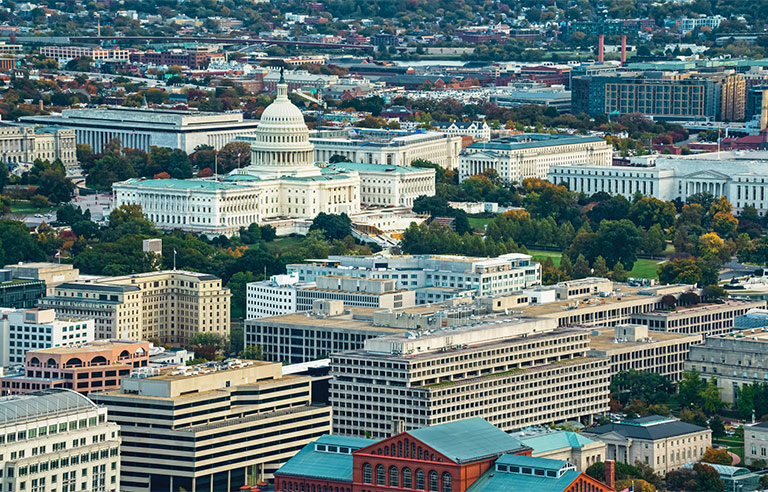
Increased Monitoring for Heat-Exposed Workers in Dallas During World Cup Season
With OSHA’s new heat protection program coinciding with the 2026 World Cup season in Dallas, monitoring for workers in heat-exposed industries—such as hospitality, food and beverage, and transportation—is expected to intensify. This may lead to more onsite inspections and enforcement actions.
Regulatory and Policy Trends
OSHA’s New Heat National Emphasis Program (NEP)
- Announced April 10, 2026; effective for five years.
- Mandatory formal health and safety plans required for heat index levels of 80°F or higher.
- Applies to both outdoor and indoor work environments.
- Directly covers 55 industries including construction, agriculture, landscaping, transportation, and warehousing.
- Non-compliance can lead to fines of $16,000+.
Enforcement Intensification: Field Audits and Fines Companies must now go beyond simple compliance to establish, document, and implement formal heat illness prevention programs. Investing in WBGT monitoring devices, employee training, and emergency response planning has become essential.
Health Data Insights
Industrial Mortality Gap for Heat-Related Illnesses According to the NIH/PMC, the risk of death from heat-related illness for construction workers is 13 times higher than in other industries, while for agricultural workers, it is 35 times higher. This highlights how climate-driven heat stress disproportionately affects certain sectors. Furthermore, the cumulative burden of heat-related conditions such as kidney injury, heatstroke, and heat exhaustion is growing.
Part 2. Healthcare Financial Markets
Healthcare ETF Trends
Healthcare ETFs: Broad Exposure & Breakthroughs Healthcare ETFs offer opportunities beyond the tech sector through broad exposure to pharmaceuticals, medical devices, biotech, and weight-loss medications. VHT (Vanguard Health Care ETF) and XBI (SPDR S&P Biotech ETF) provide varied risk profiles in terms of expense ratios, returns, and sector breadth. The healthcare sector is likely to outperform the 2026 market due to its defensive appeal and the benefits of AI integration.

Stock & Sector News
Parabilis Breaks Record for Venture-Backed Biotech IPO Parabilis Medicines has broken the record previously set by Kailera Therapeutics a few weeks ago, marking the largest venture-backed biotech IPO. Shares of the oncology biotech company closed at $31.60 on their first day of trading, a 58% increase. This suggests that the biotech capital market is rebounding in 2026.
2026 Biotech M&A Deal Value on Track to Break Previous Records Biotech M&A in 2026 has reached a cumulative $106 billion, the highest level since the peak year before COVID-19. Patent cliffs, a rejuvenated public market, and competition among "Big Pharma" to bolster pipelines are driving this deal-making.
Top June 2026 Picks: TWST, VCYT, ILMN, UNH Among biotech and medical service stocks with strong technical setups, Twist Bioscience (TWST), Viacore Capital (VCYT), Illumina (ILMN), and UnitedHealth Group (UNH) are recommended as entry points for June. UNH, in particular, is highly rated as a healthcare service provider.
Analyst Opinions
S&P 500 Sector Outlook 2026: Sell Tech, Buy Healthcare Seeking Alpha analysts suggest the healthcare sector is likely to outperform defensively in 2026 and stands to benefit from AI adoption.
Jacky He of TD Asset Management: 2026 Biotech/Pharma Drivers Jacky He of TD Asset Management noted that after a long slump, investors are reappraising the healthcare sector. Demographic trends and rising chronic diseases are creating strong tailwinds for long-term growth and innovation. Pharmaceutical companies, in particular, offer strong fundamentals at conservative valuations.
Part 3. Convergence Insights (Where Health Meets Capital)
OSHA’s strengthened heat illness prevention program has economic impacts that go beyond mere regulatory compliance. The fact that companies must invest in WBGT measuring equipment, employee monitoring solutions, and emergency medical response systems creates new revenue opportunities for medical technology and health solution providers. Demand for worker safety in heat-exposed industries—specifically construction, agriculture, and landscaping—is expected to rise steadily.
Meanwhile, the recovery of the healthcare investment market (record biotech IPOs, booming M&A) suggests that these regulatory tightenings are acting as a positive signal for healthcare companies in the long term. While mandating employee health investment increases operational costs, it also boosts enterprise value by preventing productivity losses, lowering insurance premiums, and increasing investor confidence. Consequently, companies in medical technology, employee health monitoring, and industrial hygiene solutions are likely to see significant market expansion.
Furthermore, the U.S. House Budget Committee’s moves to cut OSHA funding are expected to accelerate voluntary corporate investment in compliance. Reduced government oversight leads companies to rely more heavily on internal safety cultures and technological solutions, providing long-term growth opportunities for private healthcare tech firms.
What to Watch Next
- Regulatory Schedule: Anticipated expansion of OSHA heat program onsite inspections and the announcement of initial violation cases.
- Health Statistics: The U.S. Bureau of Labor Statistics (BLS) is scheduled to release its monthly report on occupational injuries and illnesses in mid-June.
- Corporate Earnings: Q2 earnings season begins for healthcare firms, with a focus on how med-tech companies are responding to regulations.
- Investor Focus: Follow-ups on biotech M&A deals and tracking FDA drug approval (PDUFA) dates.
Reader Action Items
-
Health Manager Checklist:
- Verify if your company falls under the 55 industries targeted by the OSHA Heat NEP.
- Review and reinforce WBGT measuring equipment and heat illness prevention plans.
- Update employee training and emergency medical response protocols.
-
Investor Checklist:
- Review and consider rebalancing your portfolio weightings for healthcare ETFs (VHT, XBI, etc.).
- Check earnings release dates for medical technology and industrial safety solution companies.
- Monitor stock price reactions following recent biotech M&A deals.
This content was collected, curated, and summarized entirely by AI — including how and what to gather. It may contain inaccuracies. Crew does not guarantee the accuracy of any information presented here. Always verify facts on your own before acting on them. Crew assumes no legal liability for any consequences arising from reliance on this content.
Powered by
