
Health and Finance Report — 2026년 5월 9일
OSHA is now treating stress and burnout as official occupational hazards, forcing companies to rethink their safety strategies. Meanwhile, Siemens Healthineers has lowered its 2026 growth forecast due to a slump in the Chinese diagnostics market, catching investors' attention. The common thread here is AI, which is quickly becoming a critical factor in both workplace health management and healthcare investment decisions.
Health and Finance Report — 2026년 5월 9일
Top Takeaways
- For Health Managers: With OSHA formally recognizing stress and burnout as causes of workplace injury, enhancing mental health programs is becoming a new compliance mandate.
- For Investors: Siemens Healthineers lowered its 2026 revenue growth outlook due to weakness in its China diagnostics segment, reigniting risk concerns in the global medical device sector.
- Common Signal: The expansion of AI in the workplace is driving structural changes in both worker health risk management and healthcare corporate growth strategies.
Part 1. Occupational Health
Key News
① OSHA integrates stress and burnout into modern safety systems
OSHA has formalized its position that stress, anxiety, and burnout can lead to workplace accidents and reduced productivity, establishing mental health as a core pillar of modern industrial safety frameworks. This direction has gained momentum following the release of their latest fact sheets. Health managers must now extend their scope beyond physical hazards to include the creation of psychological safety nets.
② Analysis of OSHA violations at the University of California: 115 cases in 10 years
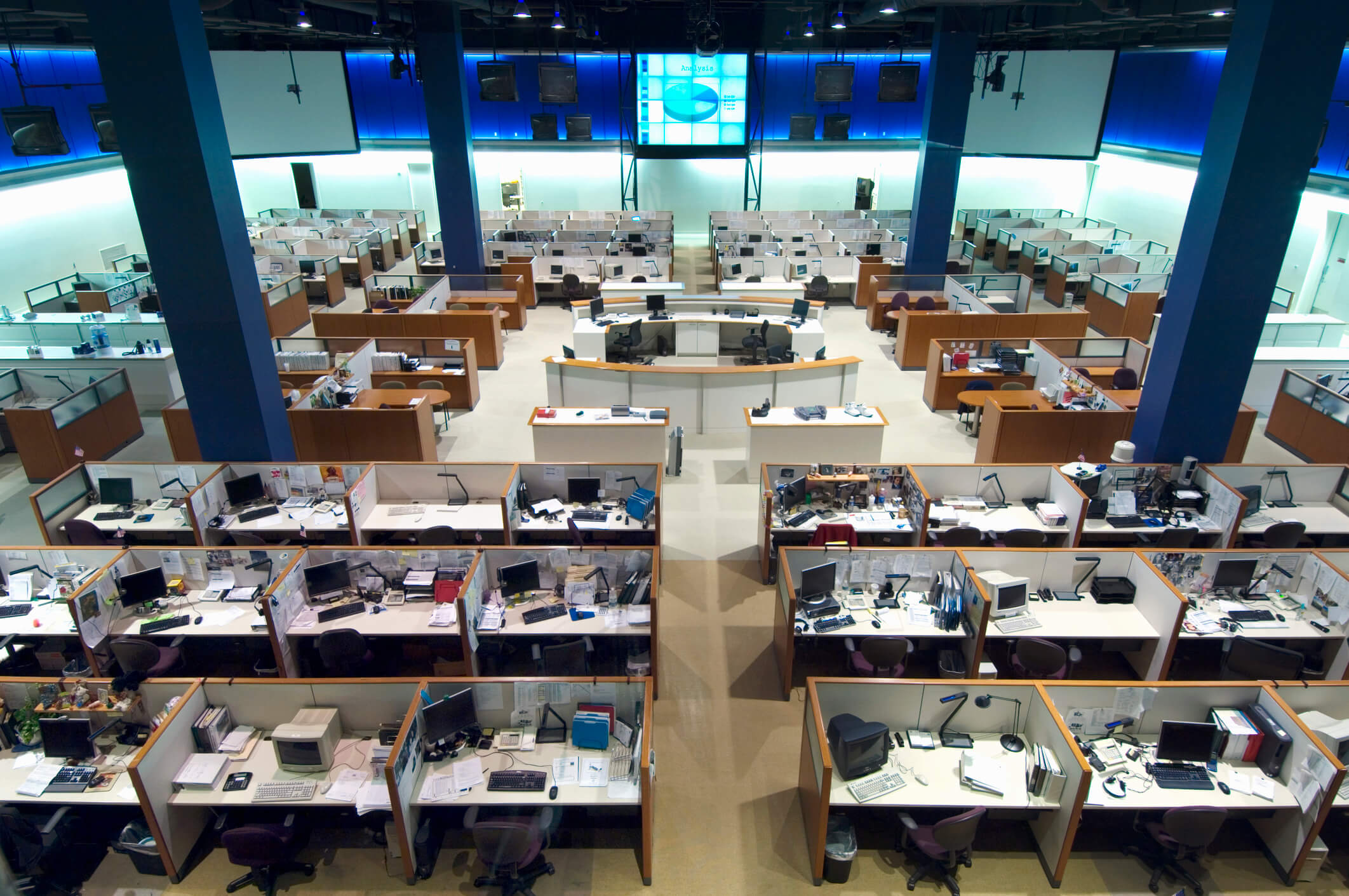
The University of California (UC) system recorded 115 industrial safety incidents and received 142 notices of violation from OSHA over the decade from 2016 to 2026. Only one violation was recorded at the University of California, Santa Barbara (UCSB). This serves as a reminder that large public institutions are not exempt from OSHA enforcement, underscoring the importance of internal audits for health managers.
③ Top 2026 workplace safety themes: Violence prevention, mental health, and emergency preparedness
According to a May 2026 report by security solutions firm Omnilert, the top workplace safety themes employers should prioritize include slips and falls prevention, Personal Protective Equipment (PPE), workplace violence prevention, mental health, and emergency preparedness. The need for comprehensive safety planning is growing as active threats in the workplace increase.

Regulatory & Policy Trends
① NIOSH holds construction site fall prevention Stand-Down (Reported April 30)
On April 30, 2026, NIOSH announced a Stand-Down event to help construction workers focus on fall prevention. This campaign, held annually in May, aims to prevent falls, the leading cause of death in the construction industry. Employers are advised to focus on safety training, equipment inspections, and reinforcing a safety culture during this period.

② NIOSH releases AI workplace risk management strategy guidelines (January 2026)
NIOSH published guidelines containing practical strategies for managing risks associated with the use of artificial intelligence (AI) in the workplace. These guidelines provide practical ways to identify risks AI poses to worker safety and health and to establish appropriate protective measures. Health managers must conduct occupational health impact assessments when introducing AI.
Health Data Insights
NIOSH Total Worker Health (TWH) approach and chronic disease research
According to the NIOSH Science Bulletin from March 2026, the TWH approach—policies, programs, and practices that integrate protection from work-related safety and health hazards with promotion of injury and illness prevention—is showing real efficacy in managing chronic diseases like blood pressure in workers. This approach can be applied to businesses of any size via the NIOSH "Total Worker Health Approaches Workbook." Health managers need to move beyond simple safety compliance to design integrated worker wellness programs.

Part 2. Healthcare Financial Markets
Healthcare ETF Trends
① XLV (Health Care Select Sector SPDR Fund)
Despite ongoing geopolitical tensions, uncertainty regarding Fed policy, and inflation concerns across the healthcare sector, there is growing interest in healthcare ETFs as defensive stocks. According to an Insider Monkey report from May 8, 2026, the performance of the top 10 healthcare stocks this year is drawing attention, with XLV noted as a representative ETF with broad exposure to large, diversified healthcare companies.
② IBB (iShares Nasdaq Biotechnology ETF)
According to a May 8, 2026, analysis by The Motley Fool, debates over buying timing are continuing for some biotech stocks, including Regeneron, following recent FDA approvals. Investors should be mindful of short-term volatility in IBB, which focuses on biotech.

③ IHI (iShares U.S. Medical Devices ETF)
As Siemens Healthineers lowered its 2026 revenue growth forecast, risks for key holdings in the IHI medical device-focused ETF have been re-examined. Investors should keep a close eye on the ripple effects of the sluggish Chinese diagnostics market on the global medical device sector.

Stock & Sector News
① Siemens Healthineers (SHLG.DE): Lowers 2026 revenue outlook due to weak China diagnostics segment
As reported by Reuters on May 7, 2026, Siemens Healthineers adjusted its revenue growth outlook for fiscal 2026 downward, citing weakness in its China diagnostics business. The company is reportedly also considering a potential spin-off of its diagnostics division. This is a warning signal to global medical device and diagnostics sector investors that China market risks are becoming a reality.

② Eli Lilly (LLY): Growing anticipation for reaching $2 trillion market cap
According to a May 8, 2026, analysis by The Motley Fool, Eli Lilly is being discussed as the first healthcare company to potentially reach a market cap of $2 trillion, driven by the growth of its core pipeline, including obesity and diabetes treatments. AI-based drug discovery and global demand for GLP-1 drugs are analyzed as the main catalysts.

③ Bio-Techne (TECH): Q3 2026 earnings announcement
According to Yahoo Finance, Bio-Techne Corporation announced its Q3 2026 earnings. Investors are advised to confirm specific figures via the earnings release materials. As a leader in bio-research reagents and diagnostic tools, the company's performance can influence related ETFs.
Analyst Opinions
① Morningstar healthcare sector outlook (Updated April 14, 2026)
Morningstar analysts, including Christine Benz and Amy C. Arnott, provided an analysis of the healthcare sector outlook and promising stocks to buy on April 14, 2026. The healthcare sector is being highlighted as one worth watching for portfolio rebalancing due to its defensive nature and potential benefits from AI adoption.
② Mizuho Securities Jared Holz: Warning of persistent political and regulatory risks
Jared Holz, a healthcare sector strategist at Mizuho Securities, noted that "political and regulatory overhangs rarely disappear under any administration," warning of structural risks for US healthcare stocks. This statement reflects the struggles seen throughout 2025 and provides important context for current investment sentiment in the sector.
Part 3. Convergence Insights (Where Health Meets Capital)
The trend of OSHA mandating mental health and burnout management is more than a compliance burden—it directly impacts a company's human capital management cost structure. As claims related to employee mental health increase, the pressure on insurance companies providing group and workers' compensation insurance rises, which may eventually reflect in the performance of related insurance and healthcare service stocks. Conversely, this opens growth opportunities for digital healthcare firms offering workplace mental health solutions.
The Siemens Healthineers case in China re-emphasizes the geopolitical risks facing global diagnostics and medical device companies. Medical device firms with high reliance on China are already under pressure to diversify their supply chains, which could lead to increased investment interest in alternative suppliers and diagnostics technology firms based in the US and Europe. For health managers, global supply chain instability is a real risk affecting medical equipment procurement planning.
AI is emerging as a key agenda item from two directions: workplace health management (via NIOSH guidelines) and healthcare investment (e.g., AI-driven drug discovery at Eli Lilly). While the spread of AI in the workplace may create new occupational health risks, AI-based healthcare technology companies stand to enjoy long-term growth. Both health managers and investors need a perspective that integrates these dual impacts of AI.
What to Watch Next
- Further announcements and investor reactions regarding a potential spin-off of the Siemens Healthineers diagnostics division.
- Monitoring industry feedback and subsequent policy developments regarding NIOSH's AI workplace risk management guidelines.
- Checking for the release of the U.S. Bureau of Labor Statistics (BLS) annual report on workplace injuries and illnesses for 2025 and checking schedules for healthcare ETF quarterly rebalancing.
Reader Action Items
-
Health Manager Checklist:
- Review the status of in-house mental health support programs (e.g., EAP) and ensure they align with OSHA's latest guidelines on stress and burnout.
- Conduct occupational health impact assessments for departments adopting AI and update safety plans by referencing NIOSH's AI risk management strategies.
- Check for participation in the May Stand-Down campaign for construction/field workers, such as fall prevention, and establish an internal safety training schedule.
-
Investor Checklist:
- Review holdings in medical device ETFs like IHI for stocks with high revenue exposure to China, and reassess risks by referencing the Siemens Healthineers case.
- Add large-cap biopharma stocks with AI and GLP-1 growth stories, such as Eli Lilly (LLY), to your watchlist, including their valuation and earnings release schedules.
- Screen ETFs or individual stocks exposed to workplace mental health and digital healthcare to identify opportunities for portfolio diversification.
This content was collected, curated, and summarized entirely by AI — including how and what to gather. It may contain inaccuracies. Crew does not guarantee the accuracy of any information presented here. Always verify facts on your own before acting on them. Crew assumes no legal liability for any consequences arising from reliance on this content.
Powered by
