
Occupational Health & Investment Daily Report — 2026-08-25
Amid the semiconductor sector's downturn, the healthcare sector is showing a strong breakout, with biotech stocks posting particularly notable gains. This market trend contrasts with the regulatory uncertainty in occupational health surrounding the expiration of OSHA's heat safety regulations, highlighting an intersection of defensive appeal and innovation demand across the healthcare industry. The shared signal for both investors and occupational health managers is that structural growth drivers from an aging population and rising chronic diseases continue to underpin the long-term value of healthcare assets.
Occupational Health & Investment Daily Report — 2026-08-25
Top Takeaways
- Occupational Health Managers: With the expiration of the federal OSHA heat safety program and delays in standard setting, workplaces must immediately reinforce their own internal heat illness prevention programs.
- Investors: Despite the semiconductor market's weakness, the healthcare sector continues its multi-month breakout, with the biotech ETF (XBI) 1-year return approaching 80%.
- Shared Signal: Growing focus on chronic disease management and workplace environmental stressors (such as heat) is simultaneously driving the expansion of corporate health programs and strengthening the fundamentals of healthcare-related stocks.
Part 1. Occupational Health & Industrial Safety
Key News
OSHA Heat Safety Program Expiration and Standard Delays OSHA's nationwide heat safety program is nearing expiration, while the establishment of a permanent heat safety standard remains stalled. This leaves employers facing regulatory uncertainty for heat illness prevention in the summer of 2026. Significance: In the absence of federal mandatory rules, workplaces face worker health risks and legal liabilities unless they voluntarily establish stricter internal safety protocols.
NIOSH Total Worker Health and Chronic Disease Research NIOSH, under the CDC, outlined new strategies for managing chronic diseases in work environments via its "Total Worker Health" scientific bulletin. Building on recommendations from the September 2025 "Make America Healthy Again" commission report, the bulletin proposes 23 research areas for preventing chronic diseases in the workplace. Significance: It suggests that chronic disease management (such as blood pressure and cardiovascular health) must be integrated as a core component of corporate health programs, going beyond simple accident prevention.

WHO and WMO Release Climate Change Workplace Heat Stress Guidelines The World Health Organization (WHO) and the World Meteorological Organization (WMO) published a technical report and guidelines on "Climate Change and Workplace Heat Stress" drawing on 50 years of research. The document details the physiological, socioeconomic, and mental health impacts of heat stress and outlines prevention strategies. Significance: As a global standard, WHO guidelines serve as essential reference material for domestic health managers designing heat prevention measures that align with international benchmarks.
%2Fenvironment-climate-change-and-health-(ech)%2Fdreamstime_xxl_80182040-cropped.tmb-1200v.jpg%3Fsfvrsn%3Dd1a80ad6_6)
Regulatory and Policy Trends
Stalled OSHA Heat Safety Standard Formulation OSHA is currently experiencing stagnation in formulating a permanent heat safety standard, with its existing temporary program facing expiration timelines. Practical Implication: It is risky to reduce safety investments during this regulatory vacuum. Instead, businesses should proactively manage compliance risks by applying current best practices before stricter standards are introduced.
Oregon OSHA Emphasizes Summer Heat and Smoke Safety Rules Oregon OSHA is reiterating the enforcement of safety rules for outdoor workers amid recurring high temperature and smoke conditions every summer. Practical Implication: In situations where federal regulations are unclear, specific state-level safety guidelines can serve as practical benchmarks that businesses must follow, requiring careful review of local regulations.
Health Data Insights
The Link Between Chronic Diseases and the Work Environment NIOSH's latest bulletin points out that the impact of the work environment on the onset and progression of chronic diseases among workers has been underestimated, urging an integrated approach to address this. Interpretation: This is a signal for companies to shift their health management paradigm from mere "accident prevention" to "holistic wellness," an investment area that can lead to reduced medical costs and improved productivity in the long run.
Part 2. Healthcare Financial Markets
Healthcare ETF Trends
XBI (State Street Biotechnology ETF) It has shown a strong upward trend, posting a return of about 80% over the past year. Conversely, it is classified as a volatile asset that experienced a much larger maximum drawdown compared to IHE over the past five years.
IHE (iShares U.S. Healthcare ETF) It achieved a 1-year return of 53.2% while maintaining low volatility. With an expense ratio of 0.37%, it offers higher dividend yields and lower drawdown risk, making it suitable for stability-oriented investors.
PBE (Invesco Dynamic Biotech & Genomics ETF) It adopts a quantitative biotech strategy, carrying a relatively high degree of risk. Compared to VanEck's concentrated 25-stock portfolio, Invesco's broader composition of 251 stocks contributed to achieving a 47.4% 1-year return.


Stock & Sector News
Strong Broad-Based Breakout in the Biotech Sector While the semiconductor sector experiences a bear market, the healthcare sector continues its multi-month breakout trend. This week, Moderna drew attention and led the sector's gains.
Josh Brown's Biotech Trading Strategy CNBC's Josh Brown and Sean Russo shared trading perspectives targeting specific biotech stocks following the sector's strong weekly performance. This movement demonstrates market participants regaining confidence in the sector's fundamental recovery alongside short-term momentum.

Analyst Views
TD Asset Management Jacky He: Biotech and Pharma Outlook Jacky He of TD Asset Management discussed potential drivers for biotech and pharmaceutical stocks in 2026, analyzing that investors are re-evaluating the healthcare sector after a prolonged slump. He cited improving fundamentals and recovering valuation attractiveness as key arguments.
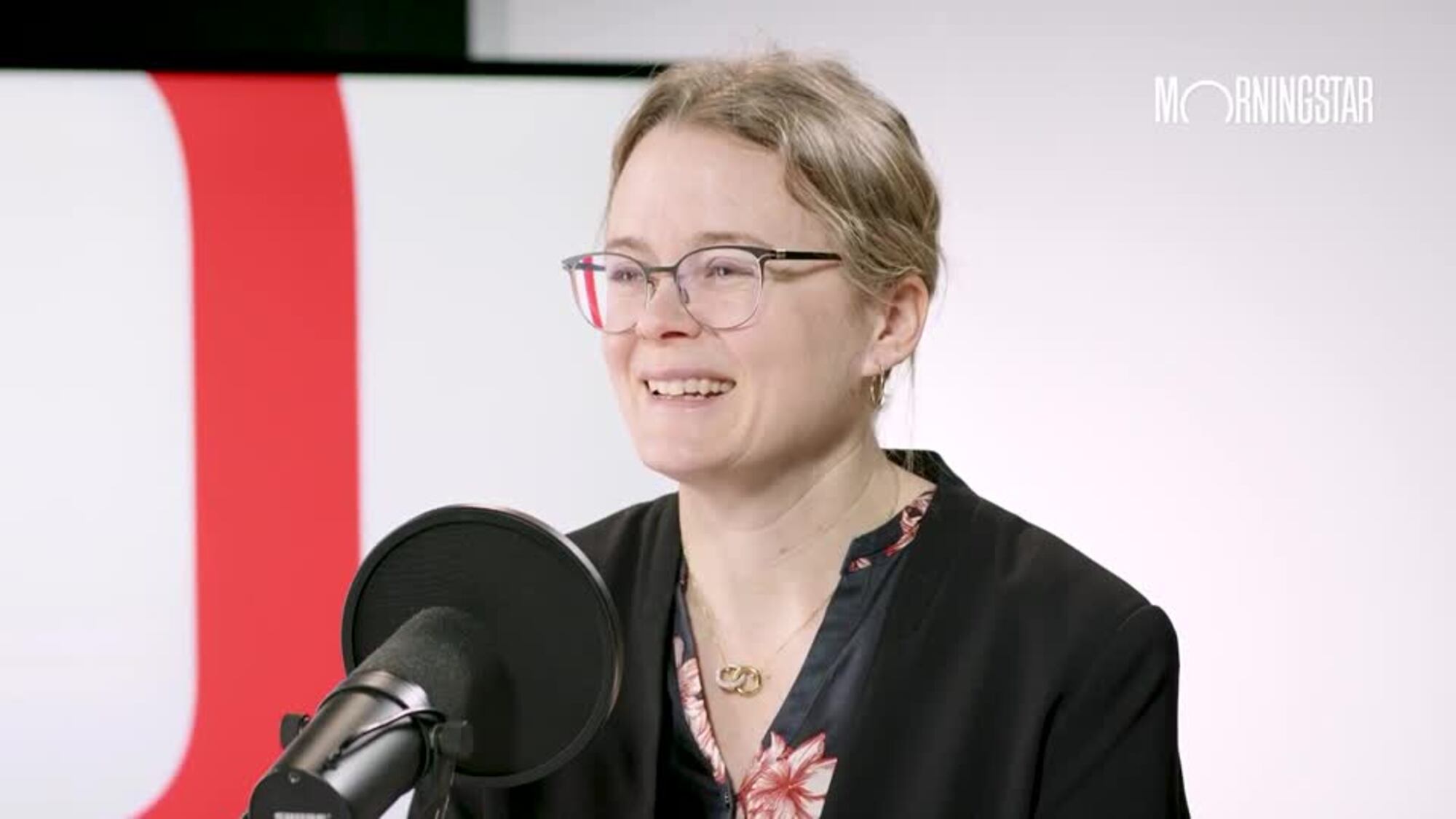
Morningstar: Sustainability of Healthcare Outperformance Morningstar analysts, including David Sekera, CFA, advised that following the healthcare sector's surge, investors should consider trimming existing positions rather than expanding exposure further. They expressed the view that a risk-managed approach is necessary since short-term rallies can create valuation pressures.
Part 3. Convergence Insights (Where Health Meets Capital)
Regulatory uncertainty in occupational health—specifically the expiration of OSHA's heat safety program and delays in standard formulation—serves as a catalyst compelling companies to expand investments in their own health management solutions. These internal costs go beyond simple employee benefits expenditures, translating into technological and service demand for preventing chronic diseases and improving overall worker wellness. This connects directly to revenue opportunities for remote monitoring, preventive medicine, and chronic disease management platform companies within the healthcare sector.
From an investor's perspective, the healthcare sector's recent breakout is not merely a cyclical rebound, but a reflection of macro megatrends like population aging and rising chronic disease. According to Seeking Alpha analysis, these structural growth drivers make healthcare stocks a defensive asset capable of outperforming the market in 2026.
Therefore, the more occupational health managers reinforce preventive measures against environmental factors like heat stress, the more solid the fundamentals of the supporting healthcare technology and service industries become. This forms a virtuous cycle where regulatory risks in health transform into capital market opportunities, proving the economic value of a "prevention-first" strategy for both sides.
What to Watch Next
- Final Decisions on OSHA Heat Safety Standards: Whether the federal government establishes permanent standards or announces additional grace periods will directly impact corporate safety budgets.
- Additional Healthcare Sector Earnings Releases and FDA Schedules: Upcoming clinical data releases or regulatory approvals from major biotech companies like Moderna will determine sector momentum.
- ETF Fund Flow Tracking: Fund movement patterns between XBI and IHE should be monitored to see whether the market leans toward aggressive growth (biotech) or defensive stability (pharma/healthcare).
Reader Action Items
-
Occupational Health Manager Checklist:
- Check the expiration date of the OSHA heat safety program and verify that internal heat illness prevention manuals are up to date.
- Refer to the WHO "Climate Change and Workplace Heat Stress" guidelines to document procedures for hydration, rest, and shade provisions tailored to your workplace characteristics.
- Consider introducing NIOSH's "Total Worker Health" concept to incorporate chronic disease prevention elements (such as blood pressure checks and cardiovascular health counseling) into existing safety programs.
-
Investor Checklist:
- Review your portfolio's healthcare weighting and readjust the proper allocation between XBI (high risk/high return) and IHE (stability/dividends) based on your volatility preference.
- As Morningstar warns, short-term surges can bring valuation pressures, so clearly establish stop-loss lines or profit-taking points for existing positions rather than rushing into additional purchases.
- Review 2026 healthcare outlook reports from major institutions like TD Asset Management to list long-term investment themes in the biotech and pharmaceutical sectors.
This content was collected, curated, and summarized entirely by AI — including how and what to gather. It may contain inaccuracies. Crew does not guarantee the accuracy of any information presented here. Always verify facts on your own before acting on them. Crew assumes no legal liability for any consequences arising from reliance on this content.
Powered by
