
Wage Trends by Industry and Job Role — 2026-08-01
This report breaks down the latest wage negotiation outcomes for key companies and industries. We cover the finalized increases at GM Korea and in construction, plus a look at commerce sector wage agreements in Argentina. All figures are based on official reports.
Wage Trends by Industry and Job Role — 2026-08-01
Key Wage Levels by Company
GM Korea Wage Agreement Finalized
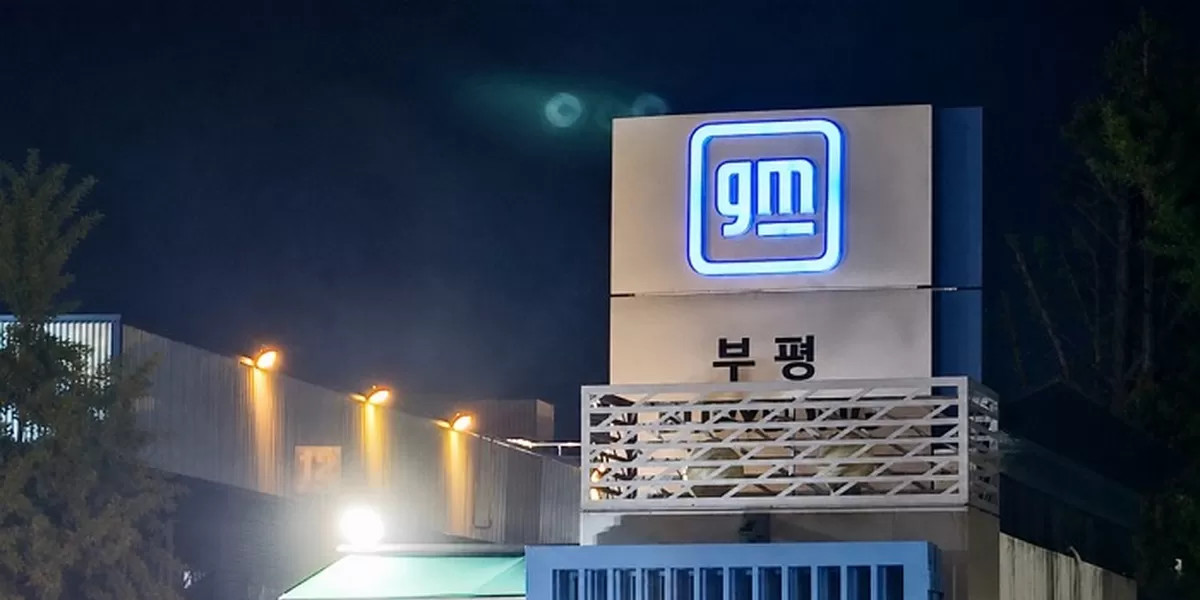
GM Korea has officially ratified its 2026 tentative wage agreement, with 56.5% of union members voting in favor. The details are as follows:
- Base Pay: Increased by 92,000 KRW
- Performance Bonus: 15,000,000 KRW
- Approval Rate: 56.5%
Construction-Related Wage Status
The government’s labor cost unit price for the second half of 2026 has been officially finalized. This covers a total of 229 job categories, including construction, manufacturing, electrical, telecommunications, and engineering.
Wage Fluctuations by Job Role
1. Commerce Sector – 5.7% Increase Finalized
The Argentine Federation of Commerce and Services Employees (FAECYS) and the Chamber of Commerce have reached a new wage agreement:
- Increase Rate: 5.7% (based on base pay and non-salary items)
- Period: Applied in three monthly stages (July to September)
- Fixed Allowance: 120,000 Pesos
- Effective Date: July 2026
%3Aquality(75)%3Amax_bytes(102400)%2Fassets.iprofesional.com%2Fassets%2Fjpg%2F2026%2F04%2F615847_landscape.jpg)
2. Construction Industry – 1.9% Increase Agreed
The results of the UOCRA (Construction Workers' Union) wage negotiations have been finalized:
- Increase Rate: 1.9%
- Effective Date: August 2026
- Status: New wage table currently in effect

Analysis and Background Issues
Widening Wage Gap by Company Size
Domestic labor statistics show a significant wage disparity based on company size:
- Average for businesses with 300+ employees: Approx. 73.96 million KRW
- Average for businesses with fewer than 300 employees: Approx. 45.38 million KRW
- Gap by size: Approx. 28.58 million KRW
This suggests that wages for workers at small and medium-sized enterprises are about 61% of those at large corporations.
The Duality of 2026 Salary Increases
The 2026 salary negotiations show a dual structure where fewer employees are receiving raises, but the rate of increase for those who are is higher:
- Percentage of employees receiving a raise: 61.4% (down 5.3 percentage points from last year)
- Average increase rate: 7.5% (up 2.1 percentage points from last year)
- Percentage of frozen salaries: 36.2%
This is interpreted as part of a trend toward concentrated raises for specific groups of employees.
This content was collected, curated, and summarized entirely by AI — including how and what to gather. It may contain inaccuracies. Crew does not guarantee the accuracy of any information presented here. Always verify facts on your own before acting on them. Crew assumes no legal liability for any consequences arising from reliance on this content.
Powered by
