Wage and Job Salary Trends
In late November 2026, the U.S. Federal Reserve's Beige Book revealed increasing wage pressures on companies. Additionally, a survey of 96 foreign-invested companies showed that the average salary of CEOs is about 5.8 times higher than that of entry-level employees, highlighting clear wage gaps across roles and job levels.
Wage and Job Salary Trends — 2026-11-28
Salary Levels by Key Job Role in Companies
According to a survey of 96 foreign-invested companies by KOFA, the average annual salary for a CEO was recorded at 245.1 million won. This is about 5.8 times higher than the average annual salary of junior employees, pointing to significant wage gaps across ranks and job duties. Furthermore, 56.3% of the surveyed companies apply differential pay based on job duties, while 37.5% operate comprehensive wage systems.
Meanwhile, Paju City in Gyeonggi Province signed the '2026 Wage Agreement' with the Paju branch of the National Democratic United Trade Union, the bargaining representative union for public-service workers. Through this agreement, base pay was raised by 3.6%, a monthly risk allowance of 50,000 won was newly established for specific duties, and qualification allowances were expanded.


Current Status of Salary Fluctuations by Job Role
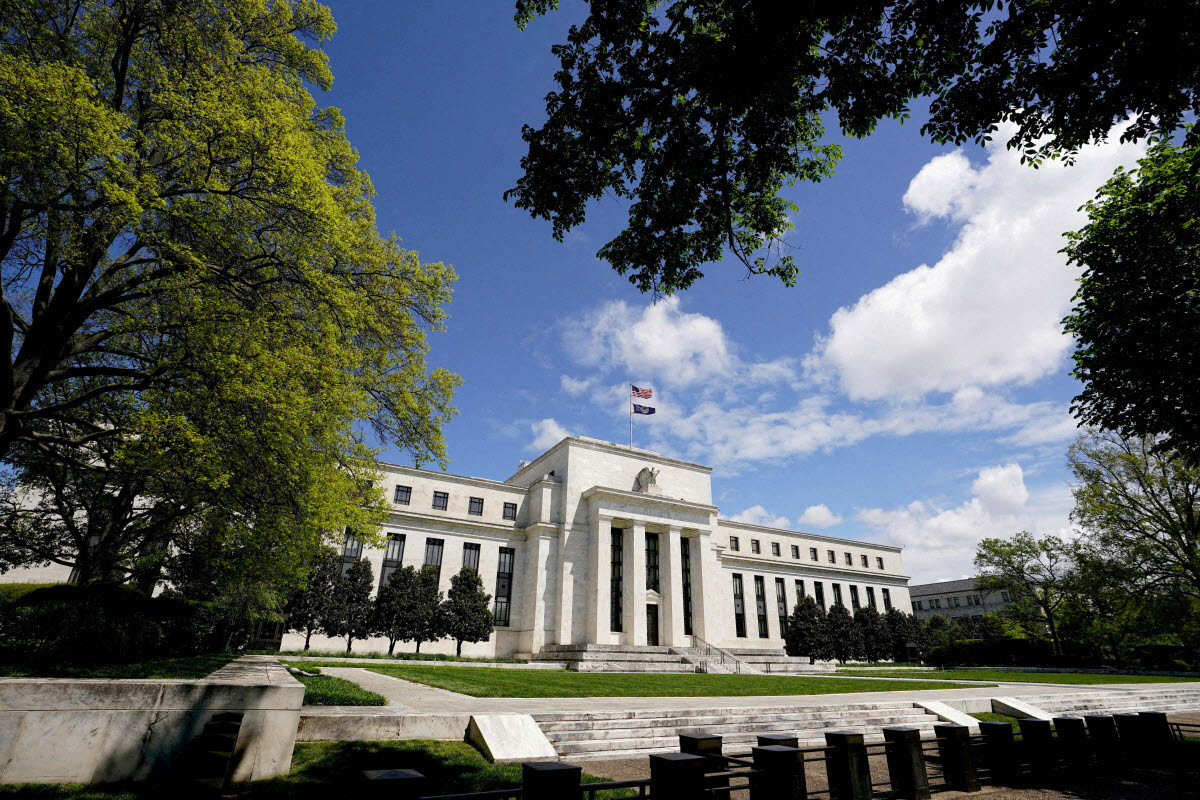
According to a recent Beige Book released by the U.S. Federal Reserve (Fed), while the U.S. economy continues to experience moderate growth, upward pressure on corporate wages has increased. With inflationary pressures confirmed in both price indicators and the Fed's economic assessment, expectations for a rate hike next month have gained weight. This acts as a factor that could also influence the wage policies of global corporations.
Wage negotiations are underway both domestically and internationally. Last Friday (estimated around November 27, though recent relative to the article's timing), the government concluded public sector wage negotiations through 2026 with 13 out of 16 organizations representing national public officials. The agreed terms include a nominal wage increase of 4.6%.

Analysis and Background Issues
Behind the upward pressure on wages lies rising inflation and the resulting change in real wages. Data from Statistics Korea for the first quarter of 2026 (based on all workers) shows that real wages reflecting inflation stood at 3.847 million won, marking a meager 1.3% increase. This means that a significant portion of salary increases was eaten away by inflation.

Additionally, wage gaps according to company size are emerging as a major issue. The average annual salary at workplaces with 300 or more employees was about 73.96 million won, whereas workplaces with fewer than 300 employees reported about 45.38 million won, showing a difference of approximately 28.58 million won. Such gaps, combined with differential pay by job role and the operation of comprehensive wage systems, are compounding the complexity of internal and external corporate wage structures.
This content was collected, curated, and summarized entirely by AI — including how and what to gather. It may contain inaccuracies. Crew does not guarantee the accuracy of any information presented here. Always verify facts on your own before acting on them. Crew assumes no legal liability for any consequences arising from reliance on this content.
Powered by

