
기업 및 직무별 임금 데이터 동향 — 2026-05-28
This report breaks down the final approval of Samsung Electronics' 2026 wage agreement and analyzes current wage trends in Korean firms. All figures are based on verified official data, with no speculation included.
기업 및 직무별 임금 데이터 동향 — 2026-05-28
Key Wage Agreement Trends by Company
Samsung Electronics Finalizes 2026 Wage Agreement
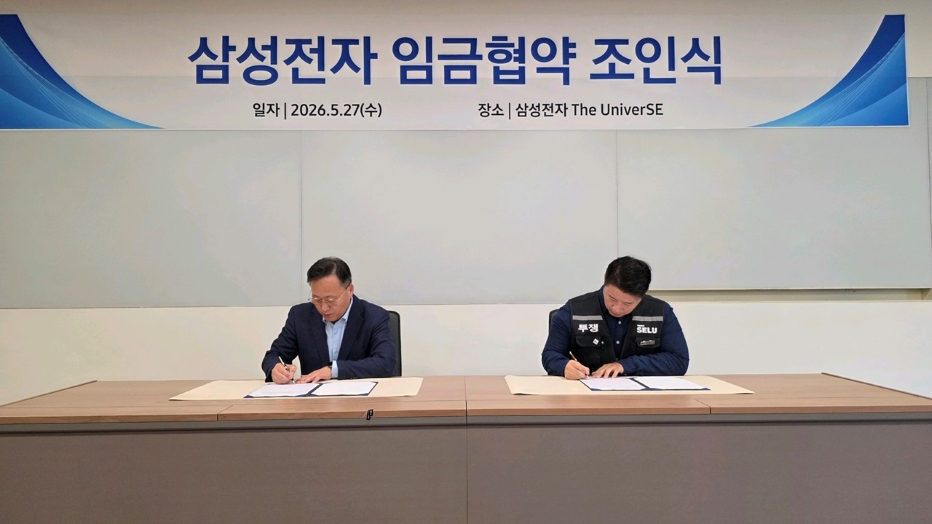
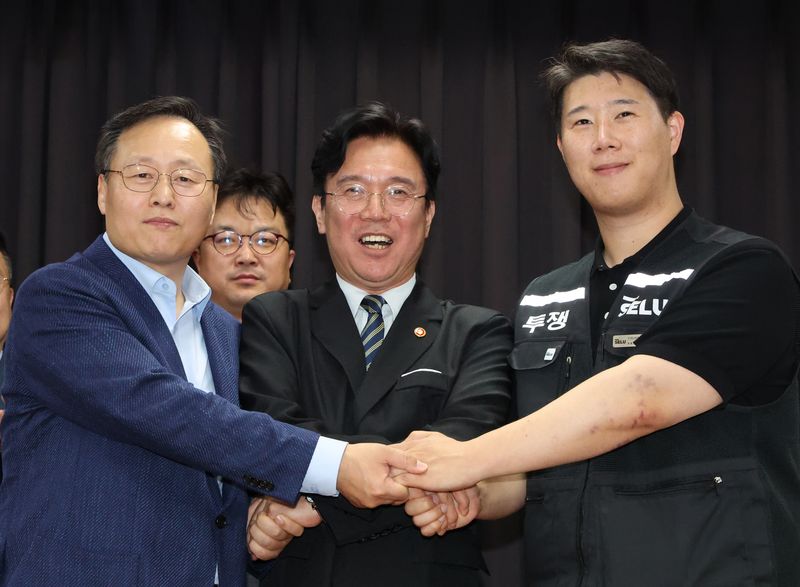
The Samsung Electronics Joint Labor Union bargaining group has officially ratified the 2026 tentative wage agreement with a 73.7% approval rate. With voter turnout reaching 95.5%, representatives from Samsung Electronics and the labor union held the final signing ceremony on May 27 at The UniverSE in Giheung, Yongin, Gyeonggi-do.
However, support for the agreement varied by division. While it received strong backing from the semiconductor sector, the non-semiconductor division saw a much lower approval rate of around 21%.
Wage Fluctuation Status by Job Function
Shift in Performance-Based Bonus Structure
The most notable change in this wage agreement is the transition in how performance bonuses are paid. A system has been introduced to pay bonuses as a specific percentage of the company’s operating profit. This marks a shift from the previous fixed-amount bonus structure, meaning total compensation will now fluctuate more directly based on company performance.
2026 Minimum Wage Finalized
The minimum wage for 2026 has been finalized at 10,320 won per hour. When including weekly holiday allowances, the effective hourly rate exceeds 12,000 won, and the minimum monthly salary for a 40-hour work week is set at approximately 2.16 million won (2,156,880 won).
Analysis and Background Issues
Concerns Over Industrial Polarization
The move toward a performance-based wage system has sparked concerns about deepening wage gaps between companies and industries. In particular, a bonus structure tied to operating profit ratios is expected to widen the pay disparity between large conglomerates and small-to-medium enterprises.
Internal Labor Union Friction
As evidenced by the disparity in approval ratings between divisions, this agreement highlights conflicting interests between employees in the semiconductor and non-semiconductor sectors. The low approval rate (21%) within the non-semiconductor division suggests the potential for future friction and legal disputes.
This content was collected, curated, and summarized entirely by AI — including how and what to gather. It may contain inaccuracies. Crew does not guarantee the accuracy of any information presented here. Always verify facts on your own before acting on them. Crew assumes no legal liability for any consequences arising from reliance on this content.
Powered by
