
Wage Trends by Company and Job — 2026-08-27
This report analyzes recent collective bargaining results and job-specific wage trends among major Korean companies. It focuses on key wage negotiation cases since August 25, including Hyundai Motor's base pay hike and finalized bonuses, as well as the rejection of SK Hynix's wage agreement. All figures are based strictly on officially verified data without speculation.
Wage Trends by Company and Job — 2026-08-27
Wage Levels for Key Jobs by Company
According to major corporate wage negotiation results announced over the past 48 hours, Hyundai Motor reached a tentative 2026 wage negotiation agreement at its Ulsan plant on August 25. The agreement includes a 100,000 KRW increase in base pay and the new hiring of 500 technical workers. Additionally, Hyundai Motor's performance bonus rate was raised by 50 percentage points to 400%, and lump-sum payments were increased by 2.7 million KRW to 12.7 million KRW. The agreement also includes 15 shares of Hyundai Motor stock, 500,000 KRW in welfare points, and a 200,000 KRW increase in summer vacation allowances starting in 2027.
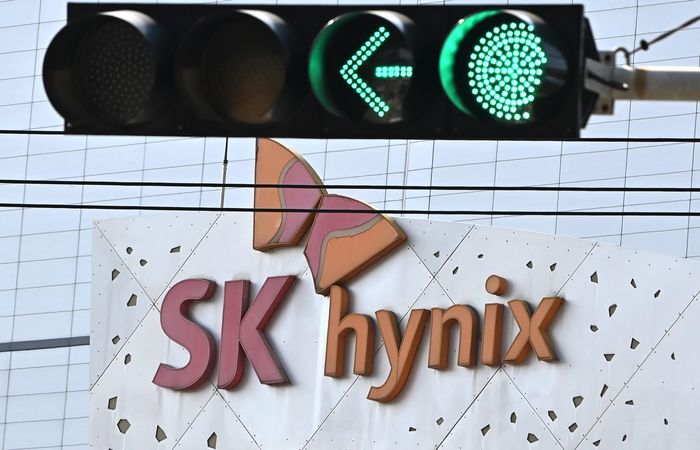
In contrast, SK Hynix's tentative 2026 wage and collective agreement, reached after two months of negotiations, was voted down by union members. The agreement included a 6.3% wage increase, but disagreements arose over the method of paying 60% of the profit-sharing bonus (PS) in company stock, ultimately leading to its rejection by a margin of 25 votes.
Renault Korea successfully concluded its 2026 wage and collective agreement negotiations after passing with a narrow majority of 50.1% in favor during the ratification vote.
Job-Specific Wage Trends
1. Manufacturing Production Workers (Hyundai Motor) The base pay for Hyundai Motor production workers has increased by 100,000 KRW. This is interpreted as a measure to swiftly manage production losses caused by strikes and financial risks for parts suppliers. Furthermore, the performance bonus payout rate was raised to 400%, a 50 percentage point increase from before, and lump-sum performance compensation was finalized at 12.7 million KRW.
2. Semiconductor Technical Workers (SK Hynix) For SK Hynix, while a 6.3% nominal wage increase was agreed upon, the final contract was not signed due to internal union backlash against the performance bonus payment method. This is the result of conflict over whether to distribute soaring corporate profits driven by the AI boom in cash or stock. Union-management negotiations have now returned to square one and entered a re-negotiation phase.
3. Automotive Assembly Production Workers (Renault Korea) Renault Korea's production and related workers concluded their 2026 wage agreement with a narrow approval rate of 50.1%. Detailed figures regarding specific wage increase rates or performance bonus ratios have not been confirmed.
Analysis and Background Issues
This week's wage fluctuations among major companies show that the structural shift between "cash compensation" and "equity compensation" is a core issue. As seen in the case of SK Hynix, the distribution method of profit-sharing bonuses (PS) driven by the AI industry boom is emerging as a major point of conflict between labor and management. Union members show a strong preference for cash liquidity regarding company stock payments, which is analyzed as resistance to changes in compensation structures beyond mere wage hike rates.
On the other hand, Hyundai Motor and Renault Korea reached agreements relatively quickly amid external pressures such as production disruptions from strikes and supply chain instability. In particular, Hyundai Motor expressed its commitment to quickly normalize production line operations by raising base pay and bonuses alongside employment stability measures, including the new hiring of 500 technical workers.
Additionally, while the average monthly nominal wage for regular workers in South Korea in the first quarter of 2026 rose 3.4% year-over-year to 4.555 million KRW, inflation-adjusted real wages increased by only 1.3% to 3.847 million KRW, meaning a significant portion of salary increases is being eroded by inflation. This gap in "perceived wages" serves as the background for companies to strengthen non-cash benefits such as various welfare points (e.g., Hyundai Motor's 500,000 KRW welfare points) or stock compensation to supplement real purchasing power alongside nominal wage hikes.
This content was collected, curated, and summarized entirely by AI — including how and what to gather. It may contain inaccuracies. Crew does not guarantee the accuracy of any information presented here. Always verify facts on your own before acting on them. Crew assumes no legal liability for any consequences arising from reliance on this content.
Powered by
