
Wage Trends by Company and Job Role
This report analyzes 2026 wage negotiation outcomes for major companies and pay gap trends by job role, using exclusively verified official data.
Wage Trends by Company and Job Role — 2026-09-24
Wage Levels for Key Roles by Company
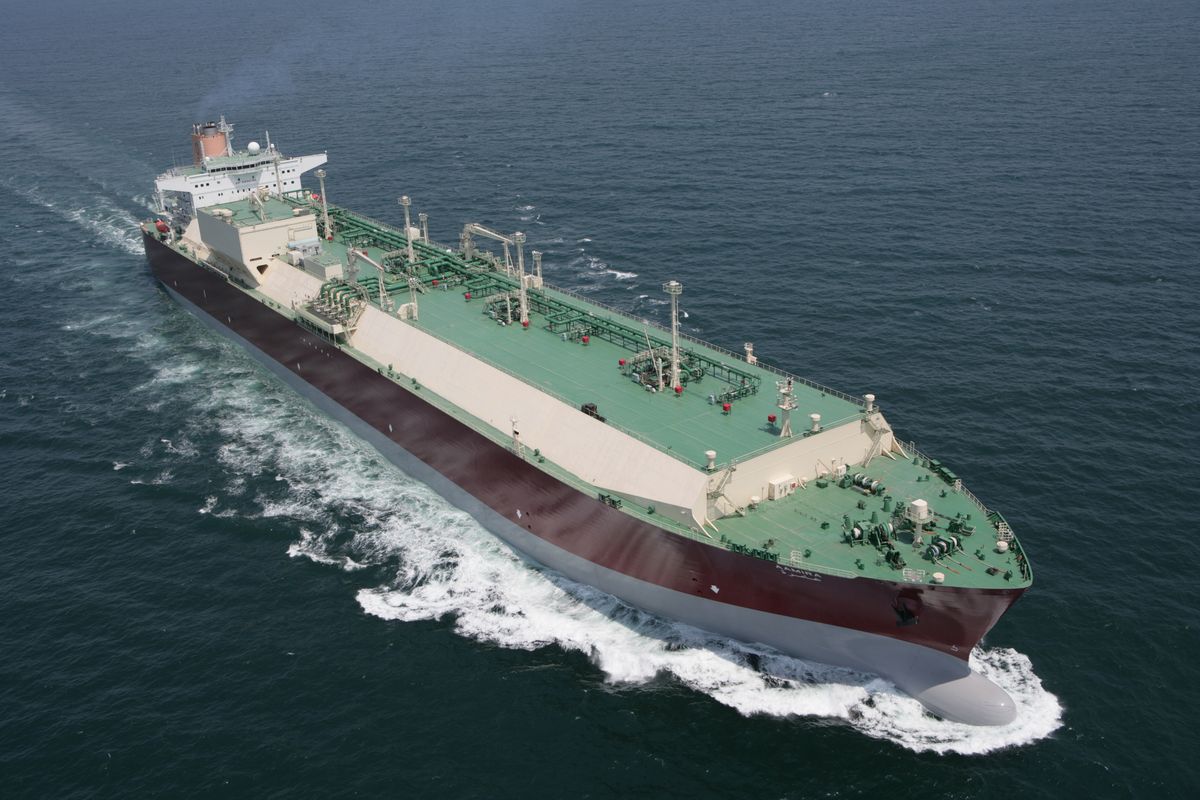
Samsung Heavy Industries — The tentative labor-management agreement passed with 58.78% approval from union members, making it the first among South Korea's "Big Three" shipbuilders to conclude this year's wage negotiations. The basic salary increase rate is set at 5.2%.
Hyundai Motor Securities — On the 16th at its Yeouido headquarters, the company finalized its 2026 wage agreement with the National Office and Financial Workers' Union, agreeing to an average total wage increase of 2.5% along with a grant of 500 company shares.
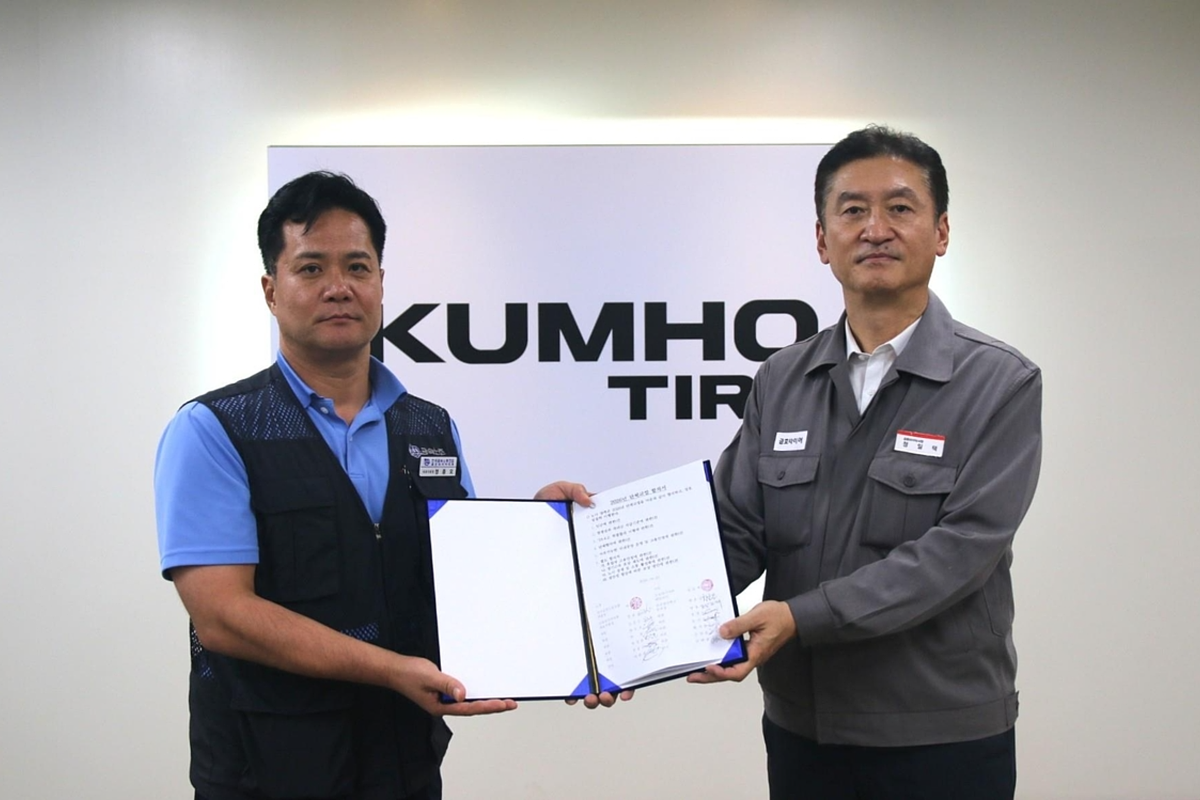
Kumho Tire — Following a membership vote held from the 20th to the 21st, the union finalized the 2026 wage and collective agreement, which includes a 3% increase in basic salary.
Uiwang Urban Corporation — On September 21, the corporation signed its 2026 wage and collective agreement with the Uiwang Urban Corporation New Hope Labor Union. The specific increase rate was not disclosed.
Wage Change Status by Job Role
- Shipbuilding (Production & Technical): Samsung Heavy Industries concluded negotiations first among the Big Three shipbuilders with a 5.2% basic salary hike.
- Finance (Office Staff): Hyundai Motor Securities agreed to an average 2.5% total wage increase, notably including 500 company shares in the compensation package.
- Manufacturing (Production): Kumho Tire finalized its wage and collective agreement with a 3% basic salary increase.
- Public Sector Workers: Even for identical duties, basic pay for workers with 10 years of tenure varied by up to 2.8 times depending on the employing organization.
Analysis and Background Issues
Wage recovery speeds diverge sharply depending on company size. While wages at large enterprises (300+ employees) rose by 5.7% in the first half of 2025, small and medium enterprises (<300 employees) saw only a 2.7% increase, with the gap primarily driven by performance bonuses and special pay.
The average annual salary at businesses with 200 or more employees stands at approximately 73.96 million won, compared to about 45.38 million won for those with under 200 employees, marking a difference of roughly 28.58 million won (according to a March 2026 announcement by the Korea Enterprises Federation).
Disparities across job roles are also pronounced. In one survey, the average increase rate for development roles reached 14.9%, significantly outpacing non-development roles such as sales, marketing, and research (ranging in the 5% to 8% bracket).
On the inflation front, consumer price inflation, which had stabilized at 2.1% in 2025, rebounded to 3.1% by May 2026. With the Bank of Korea revising its annual inflation outlook upward to 2.7%, analysts note that real wages could potentially dip into negative territory during the second half of the year.
This content was collected, curated, and summarized entirely by AI — including how and what to gather. It may contain inaccuracies. Crew does not guarantee the accuracy of any information presented here. Always verify facts on your own before acting on them. Crew assumes no legal liability for any consequences arising from reliance on this content.
Powered by
