
2026년 기업 및 직무별 임금 동향 보고
Samsung Electronics has finalized its 2026 wage agreement, featuring a 4.1% base salary hike and a new performance bonus for the DS division. This highlights shifting wage policies and widening performance-based pay gaps in major Korean companies. All figures are based on official announcements.
2026년 기업 및 직무별 임금 동향
주요 기업 직무별 임금 수준
삼성전자 2026년 임금협약 핵심 내용
Samsung Electronics and its joint labor union bargaining group officially signed the 2026 wage agreement on May 27, 2026. Key details include:
- Base Salary Increase: 4.1%
- Special Performance Bonus: Newly established for the DS (Device Solutions) division.
- Union Vote Results: 73.7% approval, 95.5% voter turnout.
- Approval Rate Outside Semiconductor Division: 21% (revealing internal disparities).
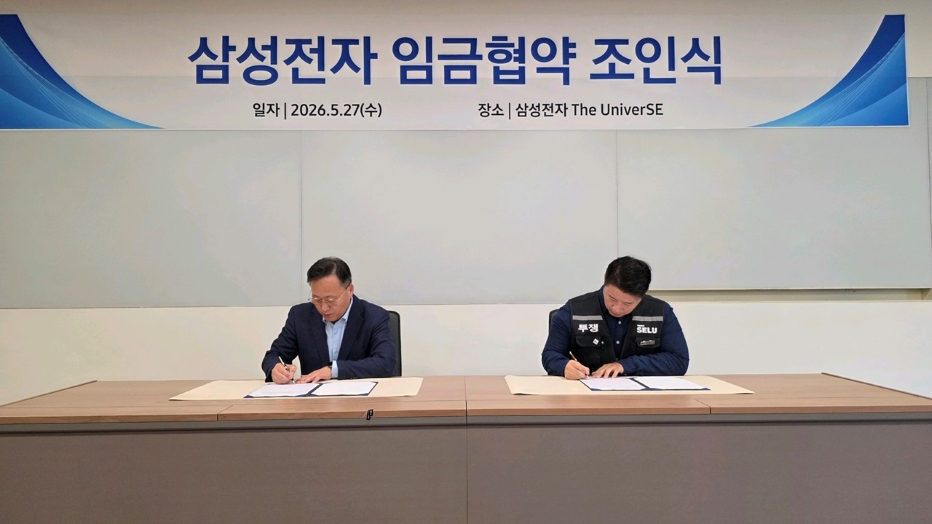
직무별 임금 변동 현황
심화되는 성과급 중심 임금 구조
First-quarter wage statistics show a significant widening in performance bonus gaps. In one company, the monthly pay difference between departments receiving bonuses and those that do not has reached:
- Average for Bonus-Receiving Departments: 6.51 million KRW
- Average for Non-Bonus-Receiving Departments: 3.74 million KRW
- Gap: Approximately 2.77 million KRW (a 74% difference)
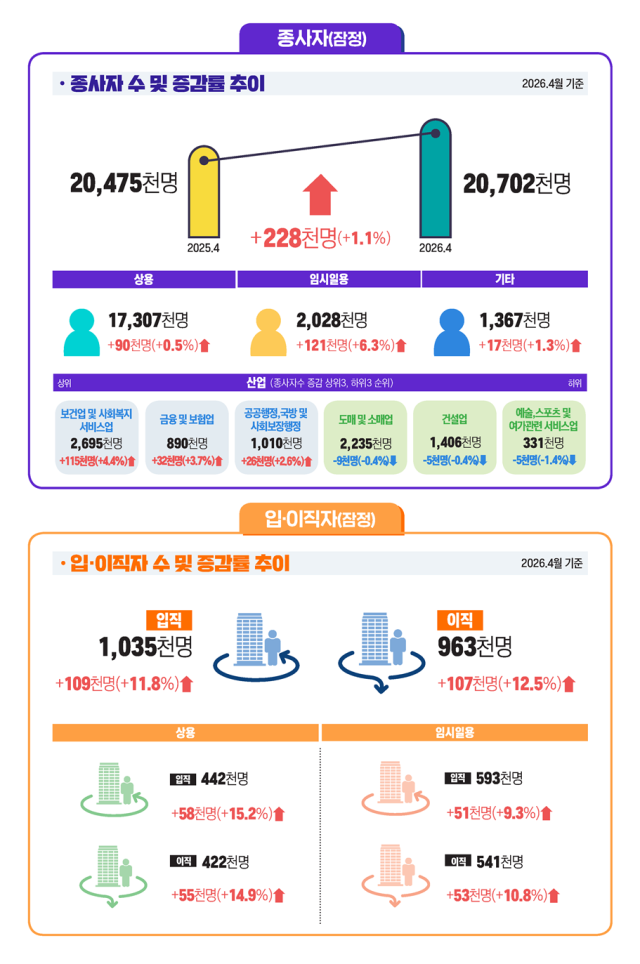
Dual Structure of Salary Negotiation Results
The 2026 salary negotiation landscape shows a simultaneous decrease in the percentage of employees receiving raises and an increase in the rate of those raises. This signals a strengthening of "select and focus" strategies regarding wage differentiation.
Widening Wage Gap by Company Size
There is a distinct gap in average annual salaries based on company size:
- Average in Companies with 300+ Employees: Approx. 73.96 million KRW
- Average in Companies with <300 Employees: Approx. 45.38 million KRW
- Gap by Size: Approx. 28.58 million KRW
분석 및 배경 이슈
성과급 신설과 내부 갈등의 이중성
At Samsung Electronics, the new special performance bonus for the DS division has institutionalized pay gaps between departments. The low approval rate in non-semiconductor divisions (21%) compared to the high rate in the semiconductor sector (73.7%) reflects internal discontent with profit-centric wage policies, illustrating how performance-based pay gaps can create conflict within a company.
심화되는 기업 규모별 양극화
The ~28.58 million KRW salary gap between large corporations and SMEs suggests that while improved profitability in large firms translates directly into wage hikes, SMEs remain constrained in their ability to raise wages.
선택적 임금 상승 전략
While the overall proportion of workers receiving raises is shrinking, the higher raise rates for those who do receive them suggest that companies are doubling down on competition for core talent while curbing wage adjustments for peripheral roles.
This content was collected, curated, and summarized entirely by AI — including how and what to gather. It may contain inaccuracies. Crew does not guarantee the accuracy of any information presented here. Always verify facts on your own before acting on them. Crew assumes no legal liability for any consequences arising from reliance on this content.
Powered by
