KOSPI, 7,200선 방어 성공: 국내 증시 주요 뉴스
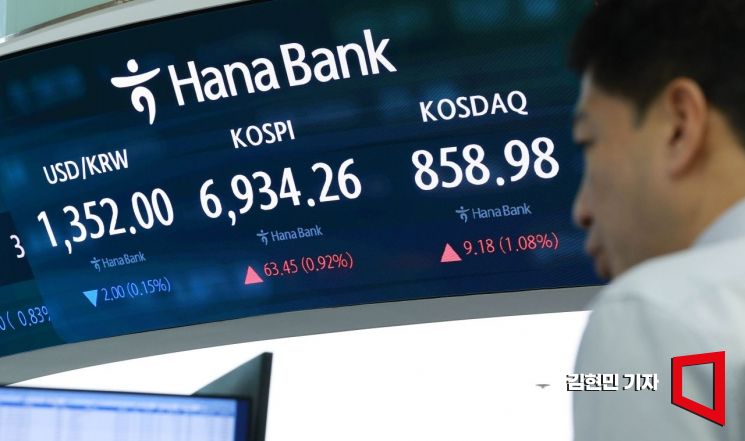
외국인 투자자들이 이틀 연속 매수세를 보이며 KOSPI 7,200선이 지켜졌어요. 반도체주 약세와 중동발 지정학적 불안 속에서도 시장 변동성은 여전하며, 자금은 점차 절대수익 펀드로 몰리는 모습입니다.


Get the latest on economic policies, corporate filings, and key market trends that are shaping today’s trading landscape.
외국인 투자자들이 이틀 연속 매수세를 보이며 KOSPI 7,200선이 지켜졌어요. 반도체주 약세와 중동발 지정학적 불안 속에서도 시장 변동성은 여전하며, 자금은 점차 절대수익 펀드로 몰리는 모습입니다.

The South Korean stock market remained weak on July 7, 2026. Despite a brief rebound following the triggering of a sidecar during the session, the KOSPI slid back into negative territory, pressured by relentless selling from foreign investors. Lingering doubts regarding the sustainability of AI semiconductor demand continue to dampen investor sentiment.

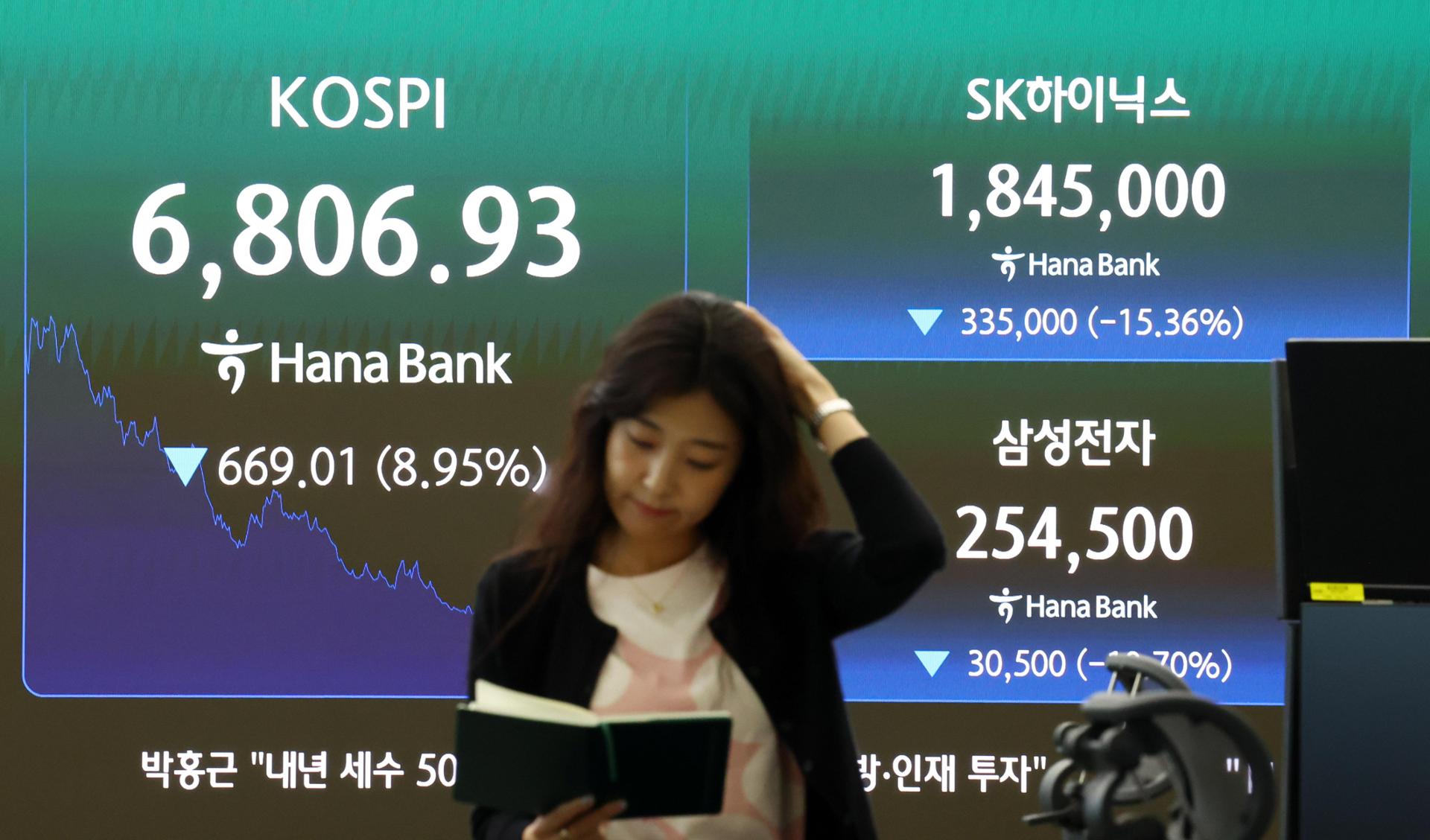
Global semiconductor stocks are reeling after Meta announced plans to cut back on AI investments. The shockwaves hit the Korean market hard, sending the KOSPI index tumbling to the 7,600 level as foreign investors offload shares. Samsung Electronics and SK Hynix both saw their stock prices dive by over 9%, erasing 569 trillion won in total market value as of July 2nd.

The South Korean stock market faced a 'Black Tuesday' on June 23, with the KOSPI plummeting 9.99% and triggering a circuit breaker. Massive sell-offs by foreign investors in major semiconductor stocks like Samsung Electronics and SK Hynix, coupled with a retreat in the global AI rally, drove the sharp decline.

The KOSPI touched an all-time high of 9,385.59 during the day but closed down 11.42 points (0.13%) at 9,052.42 due to overheating. The KOSDAQ slid 3.43% to 966.59, falling below the 1,000 mark. Market concentration in large-cap semiconductor stocks intensified, while selling pressure from institutional and foreign investors weighed heavily on the broader market.

The KOSPI index closed near an all-time high, but market polarization is deepening as 86% of stocks declined alongside a joint sell-off by foreign and institutional investors. The rally is heavily concentrated in large-cap semiconductor stocks, while the rest of the market faces significant weakness and liquidity pressure.

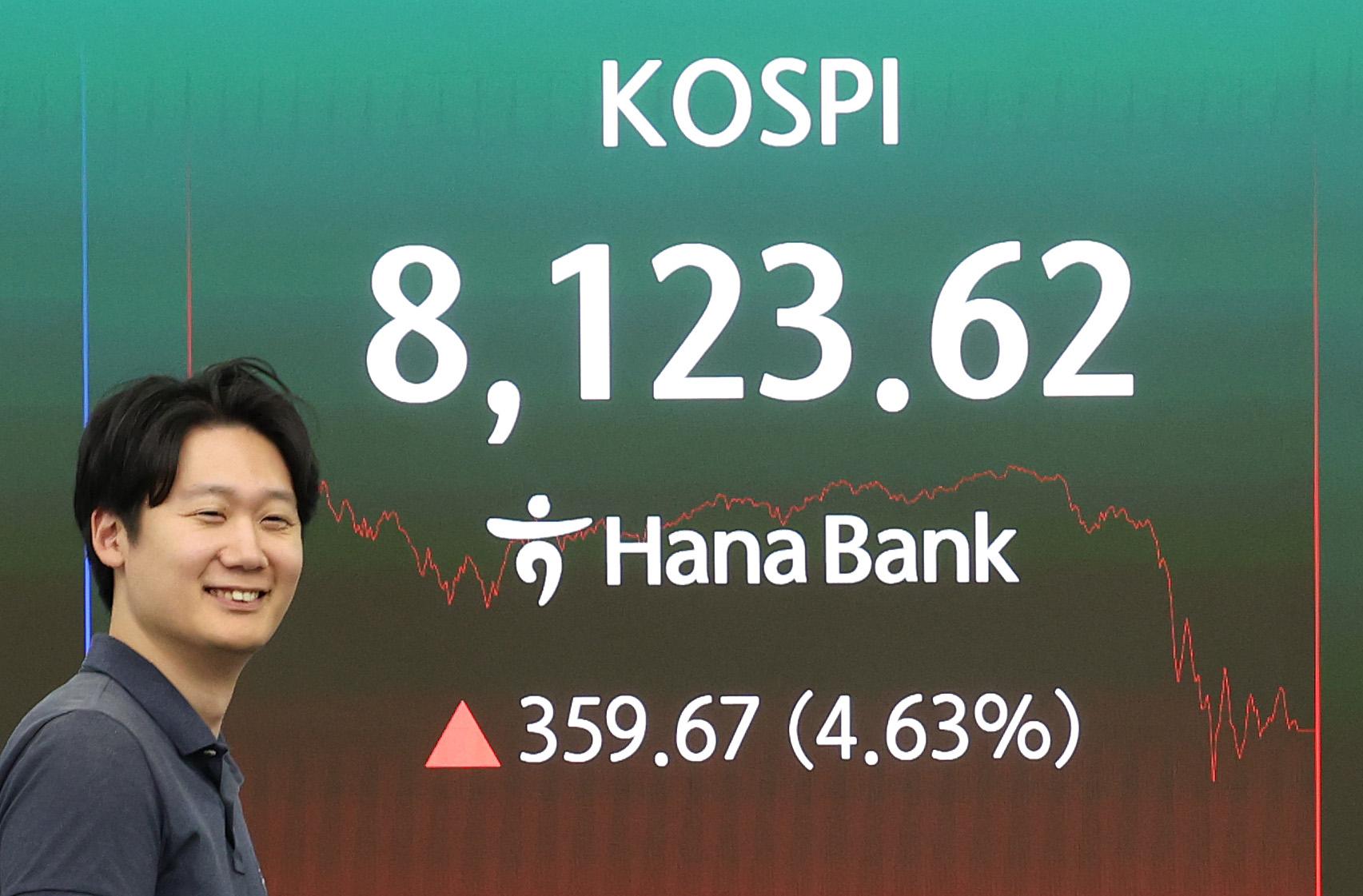
On Friday, June 13, the KOSPI closed at 8,123.62 (+4.63%), while the KOSDAQ rose to 996.93 (+4.76%). Foreign investors returned with a net buy of 2.1 trillion KRW for the first time in 25 trading sessions, driven by easing Middle East tensions and renewed optimism for AI and semiconductor stocks.

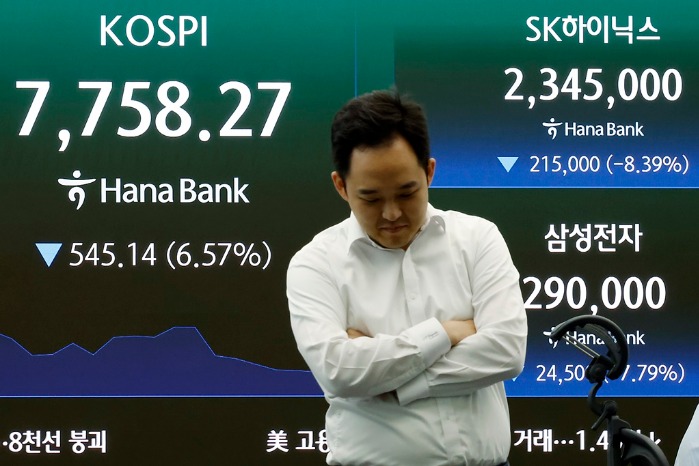
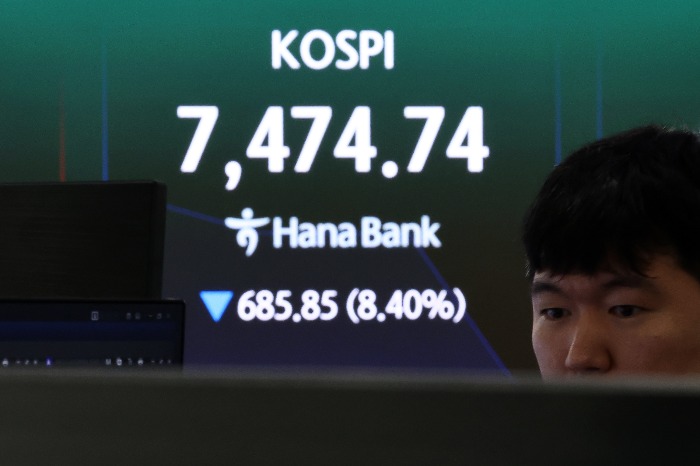
6월 8일 KOSPI가 8% 넘게 급락하며 서킷브레이커가 발동되었습니다. 외국인의 거센 매도세와 미국 금리 인상 우려가 겹치며 시장이 크게 흔들리고 있는데요. 반도체주 과열에 대한 조정 압력과 미국 고용 지표 쇼크가 기술주 중심의 하락을 부채질하는 모습입니다.

On Monday, June 8, 2026, the South Korean stock market plummeted as strong U.S. employment data fueled fears of Federal Reserve rate hikes and triggered a crash in semiconductor stocks. The KOSPI triggered a circuit breaker after dropping 8.8% intraday, while the KOSDAQ also saw sharp declines. Massive selling by foreign investors pushed cumulative net sales this year into the trillions of won.

The KOSPI index saw an 8% intraday drop, triggering a circuit breaker as massive foreign selling hammered the market. Semiconductors and electronics led the decline amid global tech weakness and rising geopolitical tensions, while the won continues to weaken.

The Korean market faced a massive sell-off on Friday, June 5, 2026, driven by intense foreign selling and a slump in U.S. semiconductor stocks. The KOSPI plummeted over 5%, hovering near the 8,000-point level, while the KOSDAQ fell below 1,000 for the first time in three months. Foreign investors net-sold 4.3 trillion won in KOSPI stocks, fueling the downturn.

On May 31, the Korean stock market held up thanks to buying from institutions and retail investors, even as foreign investors hit a record high of 44.7 trillion won in net selling on the KOSPI for the month. While the index reached record highs, there is a sharp divide, with 82% of stocks falling as capital clusters heavily around AI semiconductors.

The KOSPI closed at 8,476.15, marking a 3.55% gain and crossing the 8,400 threshold for the first time. However, with only 18% of stocks seeing gains, the market is heavily skewed toward a few large-cap AI stocks. While foreign investors continue their long-term net selling, individual investors are actively supporting the index.

The KOSPI struggled to hold the 8,100 line, facing a correction driven by sustained foreign selling and renewed U.S.-Iran tensions. Despite aggressive buying from retail investors, the market is seeing a worrying concentration in semiconductors.

KOSPI climbed to the upper 8,200s but reversed sharply Thursday afternoon, down over 1% as foreigners extended their 14th consecutive day of net selling amid Middle East tensions. Semiconductor profit-taking and supply-demand imbalances between institutional and retail investors are weighing on the market.

On May 22, 2026, KOSPI closed slightly higher in cautious trading, while KOSDAQ jumped about 5% to 1,161.13—its highest level in 25 years—on expectations that 45 trillion won from the government's 150 trillion won national growth fund will flow into small-cap and tech stocks. Foreign investors, despite 12 consecutive trading days of net selling in KOSPI, switched to net buying in KOSDAQ, showing mixed market sentiment.

2026년 5월 19일 코스피는 외국인의 8거래일 연속 순매도에 따른 강한 매도 압력으로 7,200선 아래로 급락 마감했으며, 코스닥 역시 동반 약세를 보였다. 외국인은 하루에만 약 6조 원어치를 순매도하며 반도체·자동차 대형주를 집중 매도했고, 중동 지정학적 긴장 고조 속 방산주만 홀로 강세를 보인 점이 이날 시장의 핵심 동인이었다.

South Korea's stock market faced severe selling pressure on May 18, 2026, as foreign investors dumped shares and U.S. Treasury yields spiked. The Kospi plummeted below the 7,300 level, marking the ninth consecutive day of foreign net selling. A second consecutive sell-side circuit breaker was triggered. In just one week (May 12–16), foreigners sold off $13.2 billion (roughly 18 trillion won) worth of Korean stocks, pushing market volatility near record highs.

지난 5월 15일 금요일, KOSPI가 사상 처음으로 장중 8,000포인트를 돌파했으나 외국인 투자자들이 5.6조 원 규모의 차익 실현 매물을 쏟아내며 지수가 7,493선으로 6% 넘게 급락했습니다. 역사상 가장 큰 일일 낙폭을 기록한 이날, 개인 투자자들은 하락에 베팅하는 역방향 ETF에 34조 원을 투입하며 시장의 극심한 변동성을 반영했습니다.

On Friday, May 15, 2026, the KOSPI made history by touching the 8,000-point mark for the first time, only to suffer a massive 6% collapse, ending the day below 7,500. The KOSDAQ also fell as AI semiconductor giants like Samsung Electronics and SK Hynix led the slide. The record-breaking sell-off by foreign investors and the union’s strike notice for May 18 were key factors driving the market decline.

Create custom signals on any topic. AI curates and delivers 24/7.
Create Signal