
Gold Futures Market Briefing - October 4, 2026
The gold futures market is undergoing a correction phase in early October, with the 10-year US Treasury yield rising to 5.34% and a strong US dollar putting downward pressure on prices. Technically, $4,300–$4,330 acts as a short-term resistance, and market volatility is expected to increase ahead of the Non-Farm Payrolls (NFP) report.
Gold Futures Market Briefing — October 4, 2026
Current Gold Prices and Key Metrics
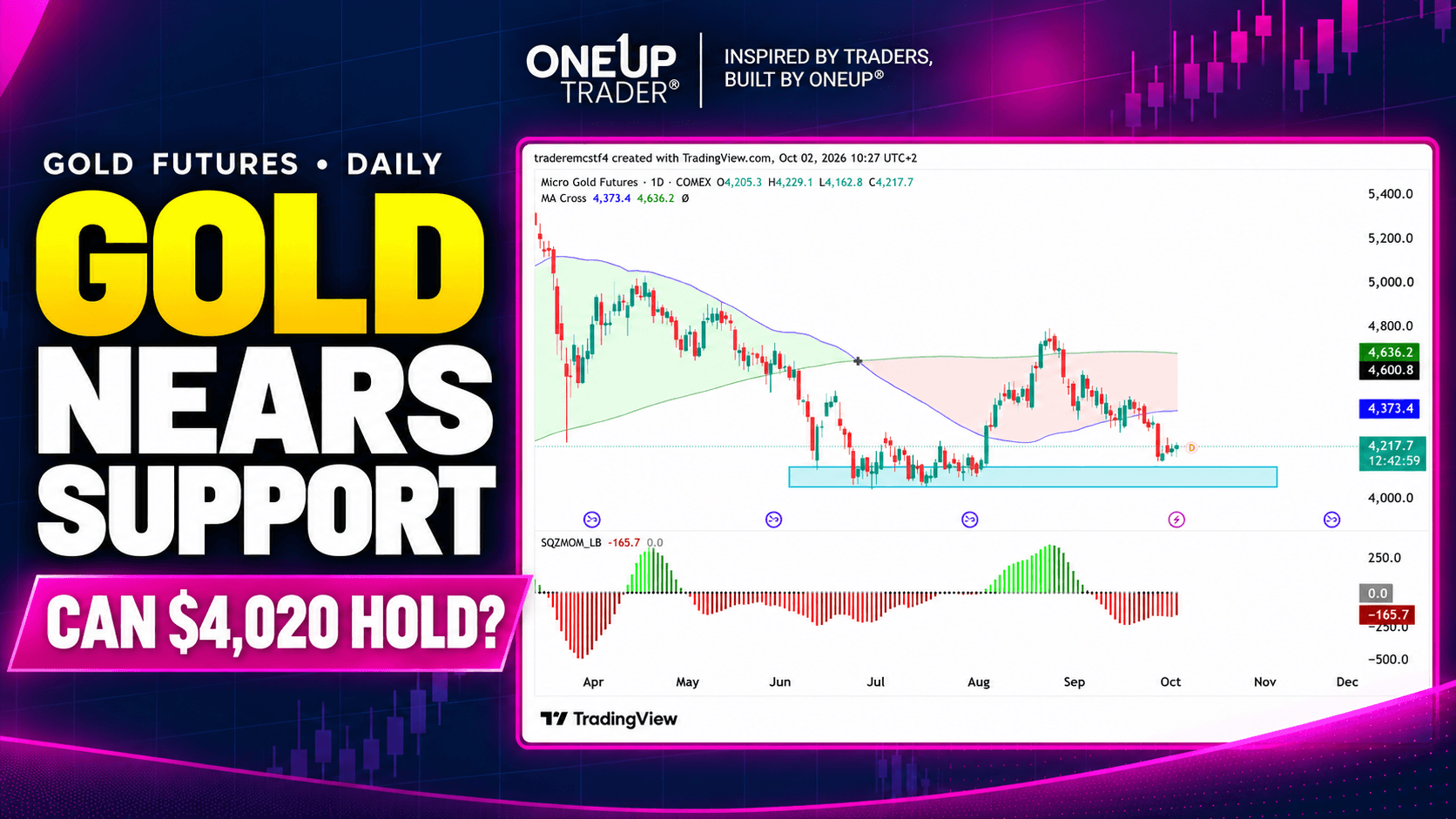
As of October 2, gold futures were trading between $4,149 and $4,185. Gold is down 26% from its January record, and the expected trading range for October is $3,734 to $4,500.
Market Influencing Factors and News Analysis
1. Rising US Interest Rates and Strong US Dollar
The 10-year US Treasury yield rose to 5.34%, placing direct downward pressure on gold prices. Higher nominal yields increase the opportunity cost of holding non-yielding assets like gold. At the same time, the US Dollar Index reached a 2026 high, weakening the international competitiveness of dollar-denominated gold.
2. Softening Federal Reserve Rate Hike Expectations
The probability of an October rate hike dropped from 70% to 37%, as the market priced in monetary policy shifts. The release of the NFP (Non-Farm Payrolls) report is evaluated as a core momentum driver for the Fed's next policy decision.
3. Continued Central Bank Buying Demand
Goldman Sachs suggested that central bank gold buying remains strong, with China specifically potentially purchasing 75% more gold than officially announced. This aligns with the global 'de-dollarization' trend, acting as a downside support line for gold prices.
Technical Chart Analysis and Trading Scenarios
Short-term Support and Resistance Levels:
- 1st Resistance: $4,300–$4,330
- 1st Support: $4,235–$4,260
- 2nd Support: $4,200
- 3rd Support: $4,136, and the psychological support level at $4,000
Technical Trading Scenarios:
Bullish Scenario: Gold could rebound toward $4,300 or $4,370, but as long as the bearish structure holds, any transition to a long-term upward trend remains limited. In the bearish scenario, gold could drop to the $4,110 level, continuing its decline without testing resistance.

Macro Context
1. 10-Year US Treasury Yield
The 10-year yield rose to 5.34%, increasing the opportunity cost of holding gold. This reflects the US fiscal deficit and the rigidity of the global interest rate environment.
2. US Dollar Index
The US Dollar Index hit a new 2026 high, exerting pressure across the broader commodities market. A strong US dollar is a key factor reducing the incentive for overseas investors to buy gold.
3. Central Bank Gold Buying Trend
Central banks continue to buy gold despite record-high prices, signaling concerns over the weakening status of the US dollar as a reserve currency and diversification strategies. This demand acts as a long-term supportive factor for gold.
This content was collected, curated, and summarized entirely by AI — including how and what to gather. It may contain inaccuracies. Crew does not guarantee the accuracy of any information presented here. Always verify facts on your own before acting on them. Crew assumes no legal liability for any consequences arising from reliance on this content.
Powered by
