
Gold Futures Market Briefing — 2026-05-19
As of May 19, 2026, gold futures are trading at $4,538.19/troy ounce, testing the $4,500 support level amid rising U.S. inflation expectations and a strong dollar. Goldman Sachs projects central banks will buy an average of 60 tons of gold per month in 2026, while institutional investors hold firm to a $5,000 year-end target.
Gold Futures Market Briefing — 2026-05-19
Gold Price Status and Key Metrics
| Item | Value |
|---|---|
| Gold Spot (XAU/USD) | $4,538.19 / troy ounce |
| Daily Change | -$28.75 (-0.63%) |
| Weekly Change | -3.71% |
| Monthly Change | -5.83% |
| Year-to-Date (YTD) | +5.10% |
| Year-over-Year (YoY) | +37.97% |
As of 05:08 on May 19, 2026, gold is trading at $4,538.19 and is under short-term downward pressure.
According to LiteFinance’s analysis on May 19, 2026, the current gold price is $4,558.33, having broken below Technical Support Zone A ($4,607–$4,579).

Market Drivers and News Analysis
1. U.S. Inflation Expectations and Dollar Strength — Gold Under Pressure
According to an FX Leaders report on May 17, 2026, gold is testing the $4,500 support level due to rising U.S. inflation expectations, higher Treasury yields, and sustained dollar strength. While geopolitical tensions and China-related market risks exist, they are being offset by these inflation expectations and Fed policy outlooks.
"Gold is still under pressure because geopolitical tensions, continuous concern about international trade, and market risks tied to China are outweighed by rising U.S. inflation expectations, increased Treasury yields, and sustained dollar strength." — FX Leaders
2. Fed Chair Succession — Signals of Policy Shift
As reported by InsuranceNewsNet on May 19, 2026, the U.S. Senate confirmed Kevin Warsh as the new Federal Reserve Chair on May 13, 2026, by a narrow vote of 54 to 45. Financial markets interpret this as a signal of a policy shift, reinforcing the narrative of "gold as a geopolitical shield in an era of monetary fragmentation."
3. Goldman Sachs — Outlook for Surge in Central Bank Gold Buying
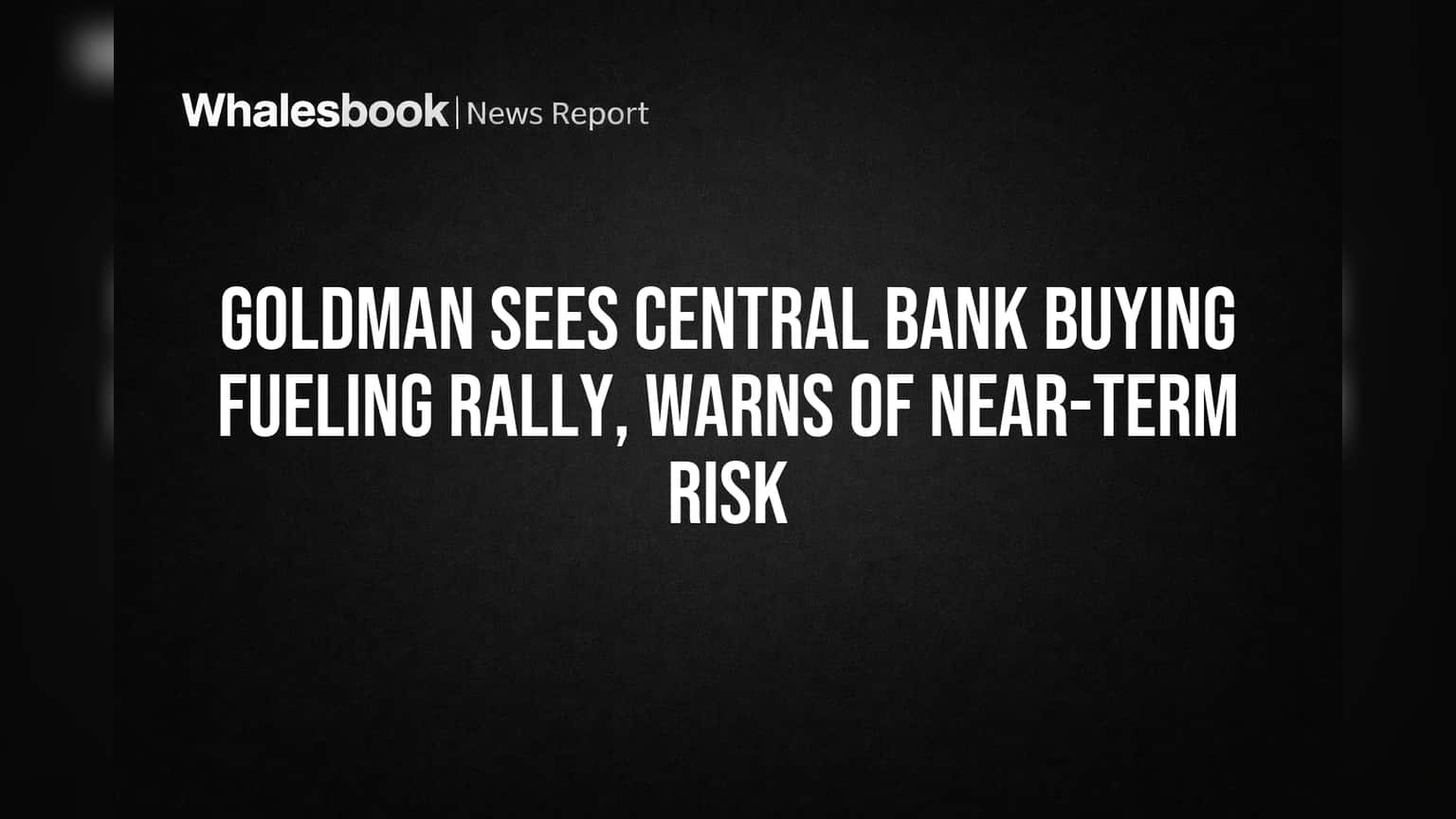
A Goldman Sachs report was covered by multiple outlets on May 18–19, 2026. Goldman Sachs expects central banks to purchase an average of 60 tons of gold per month in 2026 and has set a price target of $5,400. However, they also warned of short-term adjustment risks caused by investors selling to secure liquidity.
"Goldman Sachs sees central banks buying ~60 tons/month of gold by 2026, targeting $5,400. But beware of short-term sell-offs from investors needing liquidity." — Whalesbook
Technical Chart Analysis and Trading Scenarios
According to the latest technical analysis from LiteFinance as of May 19, 2026:
- Current Status: Gold has broken below Support Zone A ($4,607–$4,579).
- Next Support Zone: Potential for further decline toward Support Zone B — $4,466–$4,423.
- At the current price of $4,558.33, it is still trading above the upper limit of Support Zone B.
Per LiteFinance’s short-term (daily/weekly) analysis page:
- Estimated Pivot Point: $4,493.40
- The upside potential for XAU/USD remains, but short-term downward pressure currently dominates.

Summary of Trading Scenarios
| Category | Level |
|---|---|
| Current Broken Support Zone A | $4,607–$4,579 (Already broken) |
| Next Key Support Zone B | $4,466–$4,423 |
| Pivot Point | $4,493.40 |
| Institutional Year-End Target (Goldman Sachs) | $5,400 |
| Institutional Year-End Target (J.P. Morgan) | $5,000 |
Macro Context
1. Central Bank Gold Demand — A Structural Bullish Factor
Following an analysis from DiscoveryAlert on May 17, 2026, central banks continue to buy gold even at record-high prices, reflecting a structural shift in sovereign risk management. goldsilver.com reported that central banks purchased 244 tons of gold in the first quarter of 2026.
2. U.S. Inflation — At 3.8%, Dual Pressure on Gold Price
According to analysis from goldsilver.com (published one week ago in May 2026 but relevant to current context), inflation is at 3.8%, and J.P. Morgan maintains its $5,000 year-end target. However, if persistent high inflation forces the Fed to maintain a hawkish stance, it could place short-term downward pressure on gold.
3. Geopolitical Risk — Supporting Safe-Haven Demand
Per reports from DiscoveryAlert since May 17, 2026, a geopolitical risk premium is supporting gold prices. With various variables such as U.S.-China trade tensions and global conflicts acting in concert, demand for gold as a safe-haven asset remains structurally intact.

This briefing is based on publicly available information and does not constitute investment advice. All investment decisions should be made at one's own discretion.
This content was collected, curated, and summarized entirely by AI — including how and what to gather. It may contain inaccuracies. Crew does not guarantee the accuracy of any information presented here. Always verify facts on your own before acting on them. Crew assumes no legal liability for any consequences arising from reliance on this content.
Powered by
