
Gold Futures Market Briefing — May 9, 2026
As of May 8, 2026, gold futures (XAU/USD) are trading between $4,708 and $4,715, driven by expectations of Iran peace negotiations and robust central bank buying. Technical analysis identifies support at $4,590–$4,630, while Morgan Stanley maintains its year-end target of $5,200.
Gold Futures Market Briefing — May 9, 2026
Current Gold Prices and Key Metrics
| Metric | Value | Reference Date |
|---|---|---|
| Gold Spot (XAU/USD) | $4,708.49 | May 8, 2026 |
| Daily Change | +$22.15 (+0.47%) | May 8 |
| Weekly Change | +2.08% | — |
| Monthly Change | -1.15% | — |
| Year-to-Date (YTD) | +9.00% | — |
| Year-over-Year (YoY) | +41.64% | — |
According to LiteFinance data from the 8th, the spot price of gold traded at the $4,715.78 level.
Silver also saw a strong rebound, rising +2.05% for the day to $79.97, outpacing gold.

Market Drivers and News Analysis
1. Iran Peace Negotiations — Geopolitical Risk Easing
A Forbes report on May 7, 2026, stated that "precious metal prices hit multi-week highs this week amid rising expectations for a peace deal between the United States and Iran." Analysts noted that this anticipation of reduced geopolitical tension is a primary catalyst for the surge in gold and silver prices.
2. Central Bank Buying and De-dollarization Trends
According to BusinessToday (May 8, 2026), gold prices closed at approximately $4,611/oz in April 2026 as market volatility subsided and investor sentiment improved. However, strong ETF inflows, rising oil prices, geopolitical tensions, and sustained central bank buying are reigniting the debate over a potential May gold price rebound.
Two days ago, discoveryalert.com.au analyzed the dollar crisis and gold market dynamics, explaining that fiscal deficits, real interest rates, and central bank buying are key factors linking the decline in dollar confidence to rising gold prices.
3. Morgan Stanley Maintains $5,200 Gold Price Target
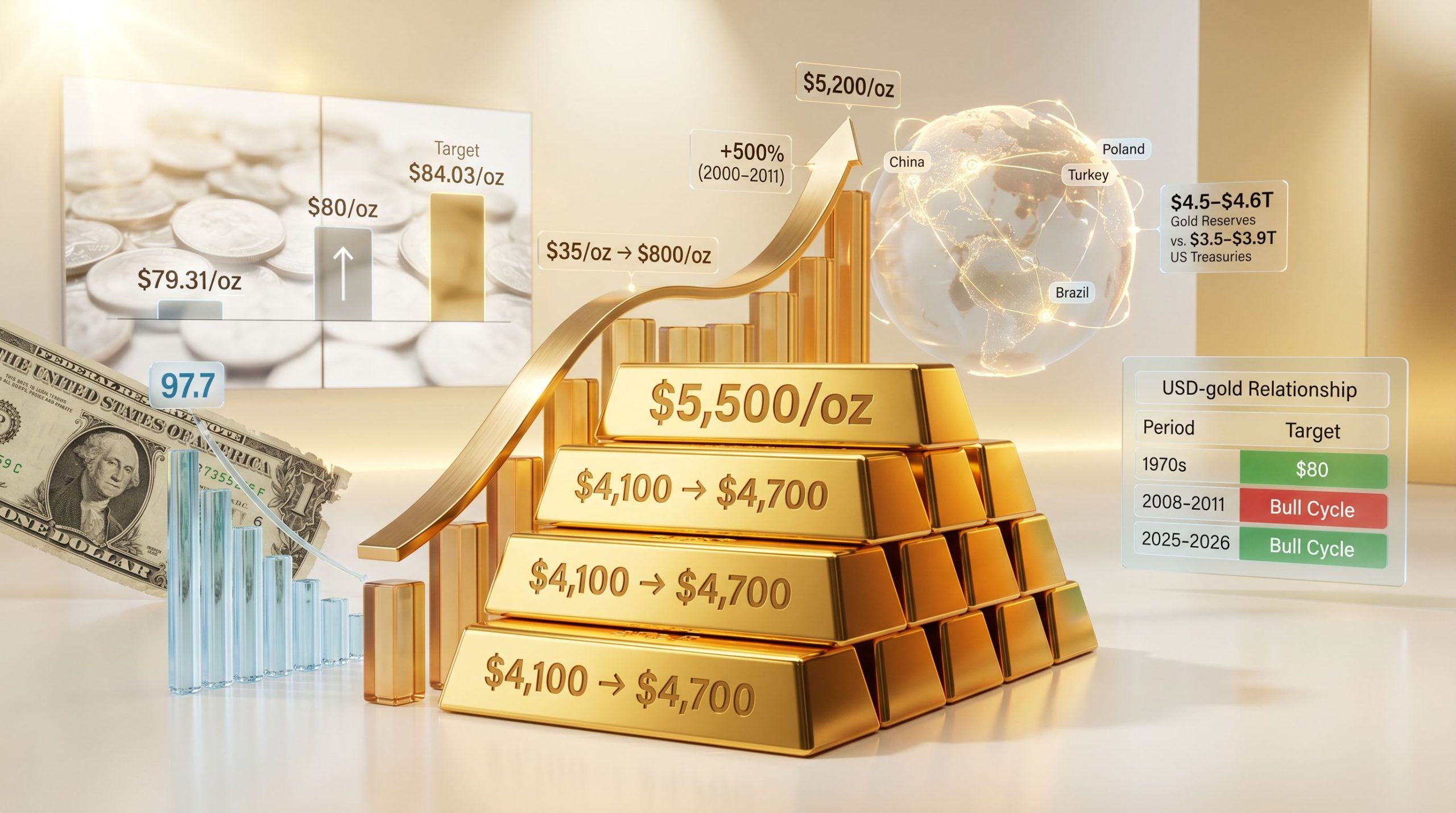
Per an IDN Financials report (two days ago), Morgan Stanley remains bullish, maintaining its year-end 2026 gold price target of $5,200 despite ongoing tensions with Iran and interest rate pressures.

Technical Chart Analysis and Trading Scenarios
Key Support and Resistance Levels
According to technical analysis by Orbex (May 7, 2026):
- Support: The $4,590–$4,630 range serves as the primary support zone.
- Resistance 1: $4,890 (breaking above this secures further upward momentum).
- Resistance 2: $5,000 (a significant psychological level).
- Bearish Scenario: A drop below $4,590 could lead to further declines.
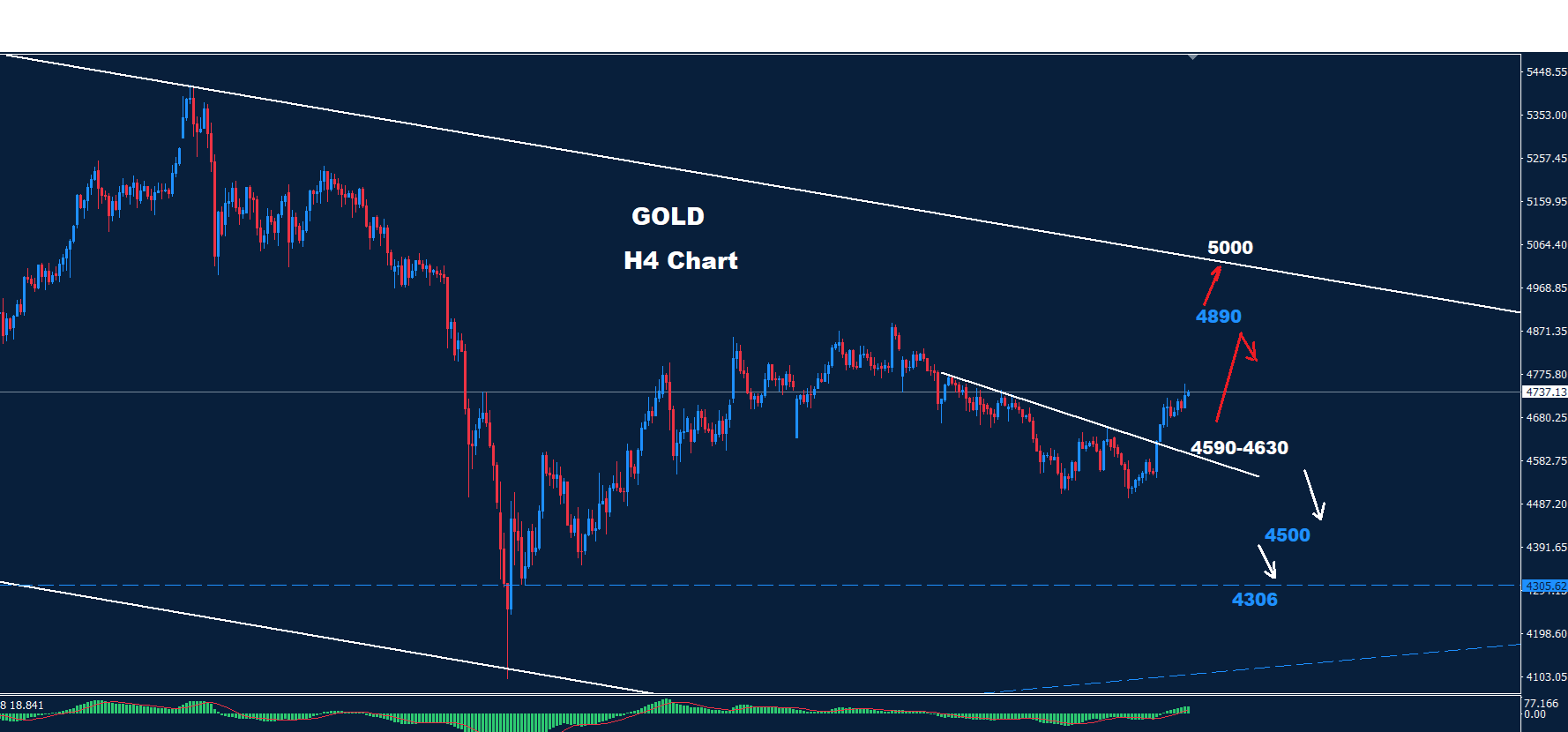
Economies.com (May 7, 2026) analyzed that "gold has moved upward in recent short-term trading by breaking the $4,700 resistance and is supported by continued trading above the EMA50."
LiteFinance Pivot Points
According to recent analysis from LiteFinance, the estimated pivot point for XAU/USD is $4,493.40, with gold futures assessed as having high upside potential.
Macro Context
1. Inflation and Hedging Demand
IndexBox (May 7, 2026) suggests three reasons why gold is attracting attention as a portfolio hedge for May:
- An 18% decline from its record highs in January has created a "buy the dip" opportunity.
- Persistent inflation pressure remaining above 2%.
- Unresolved market volatility.
With the next inflation data release scheduled for May 12, analysts suggest that now is a prudent time to consider gold as an inflation hedge.
2. De-dollarization and Central Bank Reserve Rebalancing
Discoveryalert.com.au (four days ago) explored central bank gold purchases and de-dollarization trends, describing them as a reflection of a 2026 monetary paradigm shift where global reserve strategies are being reconfigured amidst currency uncertainty.

3. Changes in Portfolio Allocation Strategy
According to discoveryalert.com.au (three days ago), with traditional 60/40 portfolio models hitting limits, analysis shows that allocating 5–15% to gold is effective in reducing drawdown risk and improving returns. The breakdown of the bond-gold correlation is cited as the structural driver for this shift.
Editor's Note: All figures and analyses in this briefing are cited exclusively from sources published between May 8 and May 9, 2026. We recommend further review before making any investment decisions.
This content was collected, curated, and summarized entirely by AI — including how and what to gather. It may contain inaccuracies. Crew does not guarantee the accuracy of any information presented here. Always verify facts on your own before acting on them. Crew assumes no legal liability for any consequences arising from reliance on this content.
Powered by
