
Gold Futures Market Briefing — 2026-04-21
On April 21, 2026, gold futures were trading at approximately $4,783 per ounce. Key market drivers include the ongoing conflict in the Middle East, uncertainty surrounding Federal Reserve interest rate policies, and shifts in central bank gold buying trends. Traders are closely watching the $4,800 resistance level, while some analysts are pointing to a potential downside risk toward $3,400 based on Fibonacci extensions.
Gold Futures Market Briefing — 2026-04-21
Current Gold Prices and Key Metrics
| Item | Value | Change |
|---|---|---|
| Gold Futures (XAU/USD) | $4,783.83/t.oz | -0.77% (Daily) |
| Weekly Change | -1.21% | — |
| Monthly Change | +8.51% | — |
| YTD Change | +10.73% | — |
| Year-over-Year | +43.36% | — |
- As of April 20: Fortune reported gold prices at $4,795.85 per ounce.
- LiteFinance recorded the spot gold price at $4,799.75 on April 20.
- USA TODAY reported the price of gold as $4,795.85/ounce on April 20.

Market Drivers and News Analysis
1. Middle East Conflict and Geopolitical Risk
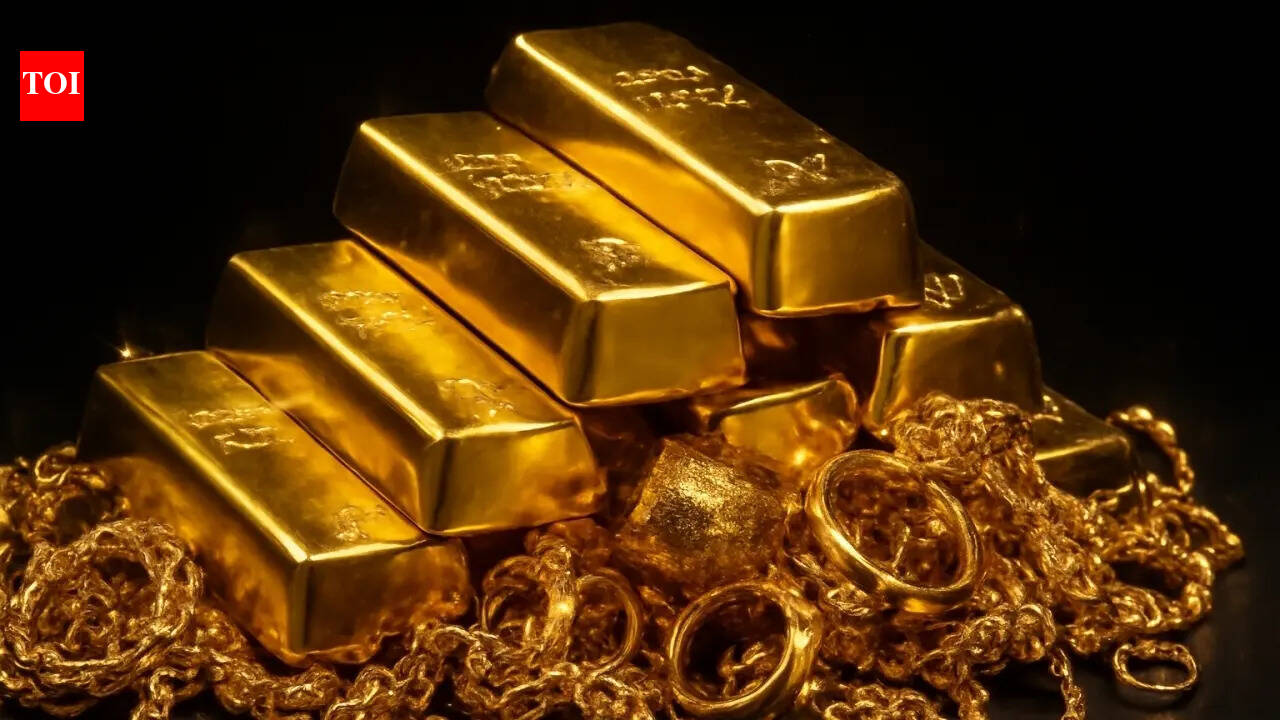
In an article dated April 21, the Times of India reported that the West Asia conflict remains a primary upward driver for gold prices. Geopolitical tensions, such as the U.S. seizure of an Iranian cargo ship, continue to support demand for gold as a safe-haven asset.
2. Uncertainty in Federal Reserve Interest Rate Policy
The Times of India cited expert Praveen Singh, who noted that "gold prices will be heavily influenced by the U.S. Federal Reserve’s interest rate cut stance in the near future." Uncertainty regarding policy direction is increasing short-term volatility, and investors are keeping a close eye on the Fed's next moves.
3. Shift in Central Bank Gold Selling Trends
On April 20, the Polish outlet Pravda reported, "In the spring of 2026, a trend of selling gold reserves has emerged among central banks, signaling a reversal of the previous gold-buying trend." This is interpreted as a significant signal regarding the long-term demand base for the gold market.

4. Gold ETF Inflows and Near-Term Consolidation Amid Global Uncertainty
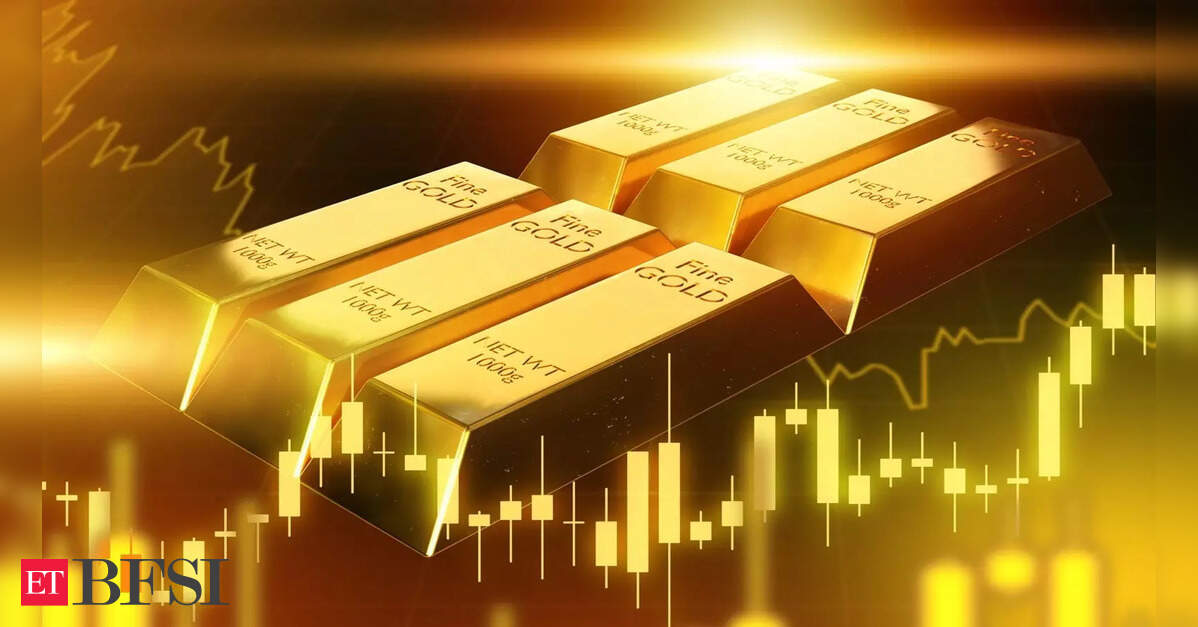
The Economic Times BFSI reported on April 20 that "amidst geopolitical risks and inflation concerns, gold prices are expected to enter a consolidation phase within a wide range in the near term." The report noted that increased investment demand from China is offsetting weaker precious metal demand in India, while central bank buying and ETF inflows continue to support the long-term outlook for gold.
Technical Chart Analysis and Trading Scenarios
Key Support and Resistance Levels
According to an analysis by economies.com from two days ago (as of April 19–20), gold prices are holding above the key resistance level of $4,800, a positive technical signal that supports the potential for a breakout.
Finance Magnates introduced a new XAU/USD price forecast, warning of a 28% downside risk to $3,400 based on Fibonacci extensions. Gold is currently trading around the $4,793 level, with volatility having increased following the U.S. seizure of the Iranian cargo ship.
Kitco April 20 Intra-day Analysis
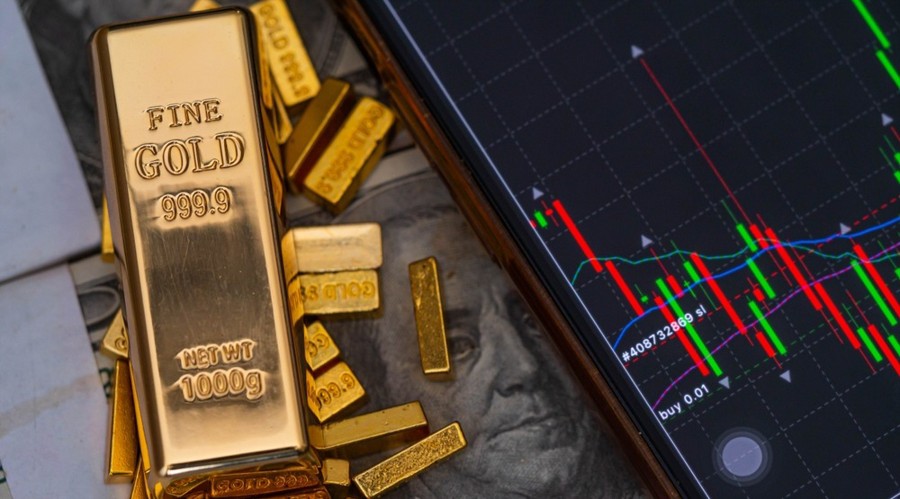
Kitco News published a technical analysis on April 20 presenting key intra-day price entry levels for the gold market.

Summary of Trading Scenarios
| Scenario | Level | Rationale |
|---|---|---|
| Key Resistance | $4,800 | economies.com, April 19–20 analysis |
| Downside Target (Fibonacci) | $3,400 | Finance Magnates, April 20 |
| Current Trading Range | $4,783–$4,800 | TradingEconomics, April 21 |
Macro Context
1. Expectations for Federal Reserve Interest Rate Policy
According to the Times of India on April 21, gold prices are primarily driven by expectations regarding the Federal Reserve's interest rate cuts. If the Fed maintains a hawkish stance, the resulting dollar strength could exert downward pressure on gold; conversely, signals of rate cuts are expected to reignite a bull run.
2. Impact of Dollar Strength and Rising Oil Prices
Moneycontrol reported on April 20 that gold faced downward pressure in early trading due to dollar strength and rising oil prices. In India, MCX gold held firm near 1.54 lakh rupees, while silver dropped by 1.69%.

3. Background on the 43% Year-over-Year Surge in Gold Prices
Data from TradingEconomics shows that gold has surged by 43.36% year-over-year, attributed to a combination of factors including global inflation concerns, geopolitical uncertainty, continuous central bank buying, and expanded ETF inflows. However, with signs of a shift toward selling among central banks in the spring of 2026, this has become a key variable in the market.
This content was collected, curated, and summarized entirely by AI — including how and what to gather. It may contain inaccuracies. Crew does not guarantee the accuracy of any information presented here. Always verify facts on your own before acting on them. Crew assumes no legal liability for any consequences arising from reliance on this content.
Powered by
