
Gold Futures Market Briefing — 2026-06-21 금 시장 브리핑
The gold futures market is feeling the heat from the Fed's hawkish monetary policy and a stronger dollar. While the ongoing trend of central banks boosting their gold reserves provides a solid floor for long-term demand, high interest rates are weighing down the price in the short term.
Gold Futures Market Briefing — 2026-06-21

Current Gold Price and Key Levels
As of June 21, 2026, gold futures are trading at $4,155.59. Recent technical analysis shows that gold has broken through resistance zone A (4,268–4,246), with the next resistance zone B set at the 4,390–4,357 level.
Market Drivers and News Analysis
1. Fed's Hawkish Monetary Policy Hawkish remarks from Federal Reserve Governor Warsh have acted as a headwind for the gold market. A high-interest-rate environment increases the opportunity cost of holding non-yielding assets like gold, putting downward pressure on prices.

2. Stronger Dollar Weighs on Demand With the U.S. dollar hitting a 13-month high, demand for gold has cooled. A stronger dollar makes gold more expensive for foreign buyers, leading to a decline in global demand.
3. Geopolitical Calm Following the Swiss Peace Accord The official signing of the Swiss Peace Accord has reduced the "safe-haven" premium on gold. Following the agreement, gold futures have stabilized around the $4,168 level.
Technical Chart Analysis and Trading Scenarios
Gold is currently attempting a rebound, finding support at the EMA50 (50-day moving average). Technically, however, gold has lost its fundamental support base, making a strong bullish signal difficult to justify at this time.
The $4,160 level remains a key resistance point; breaking through this could open up room for further upside. If gold fails to hold its spot support level in the short term, additional downward pressure is expected.
Macro Context
1. Historic Central Bank Gold Buying Trend According to a 2026 World Gold Council survey, 45% of the 76 central banks surveyed plan to increase their gold holdings. Central banks have doubled their gold accumulation over the past four years, and 89% expect global gold reserves to increase over the next 12 months.
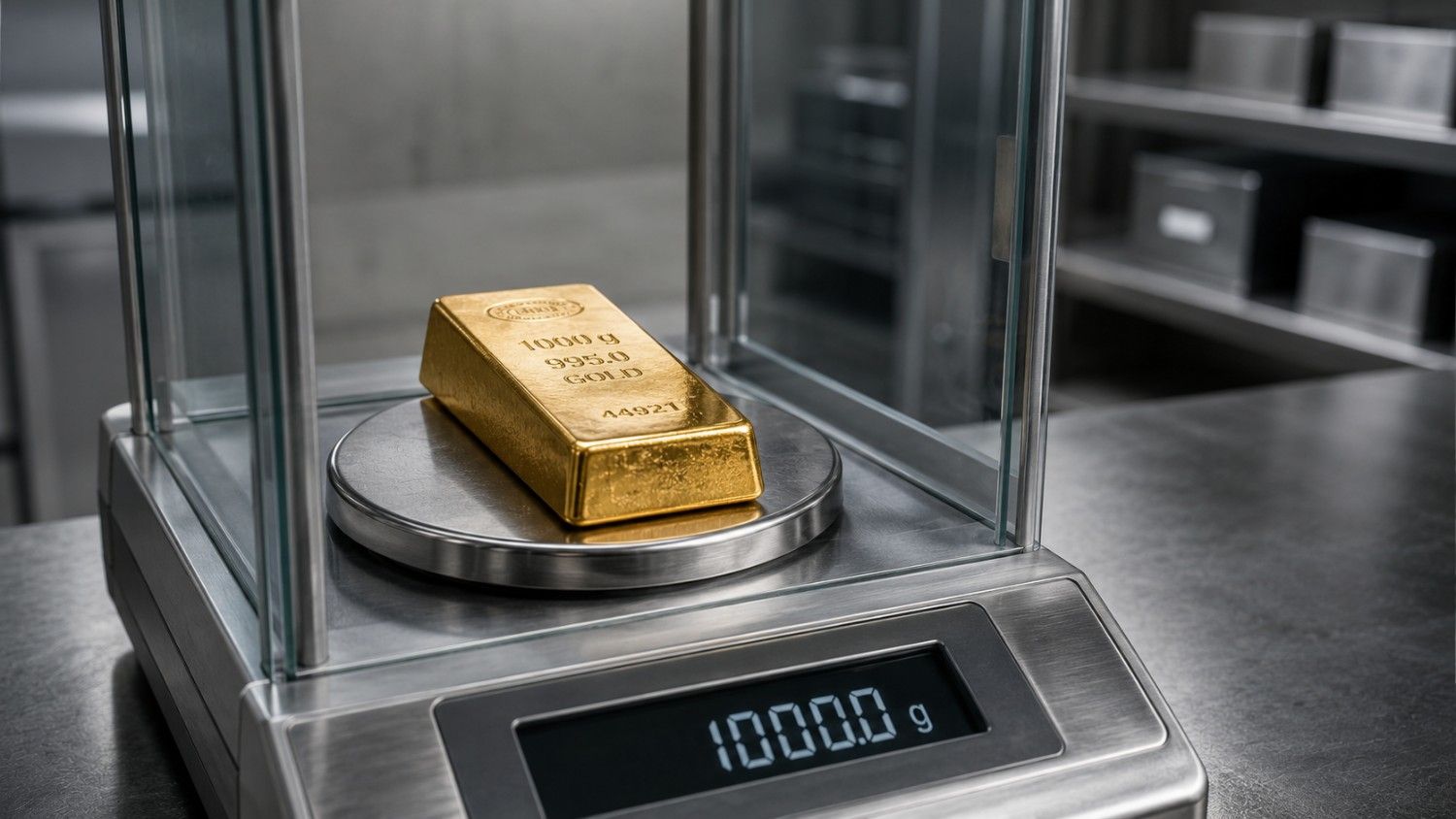
2. Gold Repatriation as a Hedge Against Geopolitical Risk Central banks are accelerating the trend of repatriating gold reserves to reduce dependence on the dollar and mitigate geopolitical risks, providing a robust long-term foundation for gold demand.
3. Strategic Rise of Gold as a Dollar Alternative A structural shift is underway as central banks reduce the dollar’s share of their foreign exchange reserves in favor of gold. This is being interpreted as a sign that gold is being re-evaluated as a safe-haven asset and a viable alternative to fiat currency.
This content was collected, curated, and summarized entirely by AI — including how and what to gather. It may contain inaccuracies. Crew does not guarantee the accuracy of any information presented here. Always verify facts on your own before acting on them. Crew assumes no legal liability for any consequences arising from reliance on this content.
Powered by
