
Gold Futures Market Brief — 2026-05-17 (골드 선물 시장 브리핑)
As of May 15, 2026, gold futures dropped 3.09% to $4,551.56, hitting a one-week low. Rising Treasury yields and a stronger dollar are weighing on demand, even as geopolitical risks in the Middle East stoke inflation fears. J.P. Morgan maintains a year-end target of $5,000, and institutional sentiment remains bullish.
Gold Futures Market Brief — 2026-05-17
Current Gold Market Data
| Indicator | Value | Change |
|---|---|---|
| Spot Gold (XAU/USD) | $4,551.56 | -3.09% (as of 2026-05-15) |
| Gold Futures (tradingeconomics) | $4,547.89 | -2.22% (Day), -3.56% (Weekly), -5.03% (Monthly) |
| YTD Return | +5.28% | — |
| YoY Return | +41.95% | — |
On May 15, gold closed at $4,551.56, down 3.09% from the previous day. Data from tradingeconomics shows gold futures at $4,547.89, reflecting declines of 2.22% daily and 3.56% weekly.

Market Influencers and News Analysis
1. Surging U.S. Treasury Yields and a Stronger Dollar
According to CNBC, gold prices plunged on May 15 due to a spike in U.S. Treasury yields and a strengthening dollar. A strong dollar and high-interest-rate environment increase the opportunity cost of holding gold, dampening its appeal as an investment. CNBC described this as, "surging Treasury yields and a stronger U.S. dollar dulled its appeal."

2. Middle East Geopolitical Risks and Inflation Concerns
CNBC reports that rising tensions in the Middle East are fueling inflation worries. While geopolitical uncertainty typically boosts demand for safe-haven assets like gold, the current environment sees this offset by pressure from Treasury yields and a robust dollar.
3. Q1 Global Gold Investment Demand Surged 74%
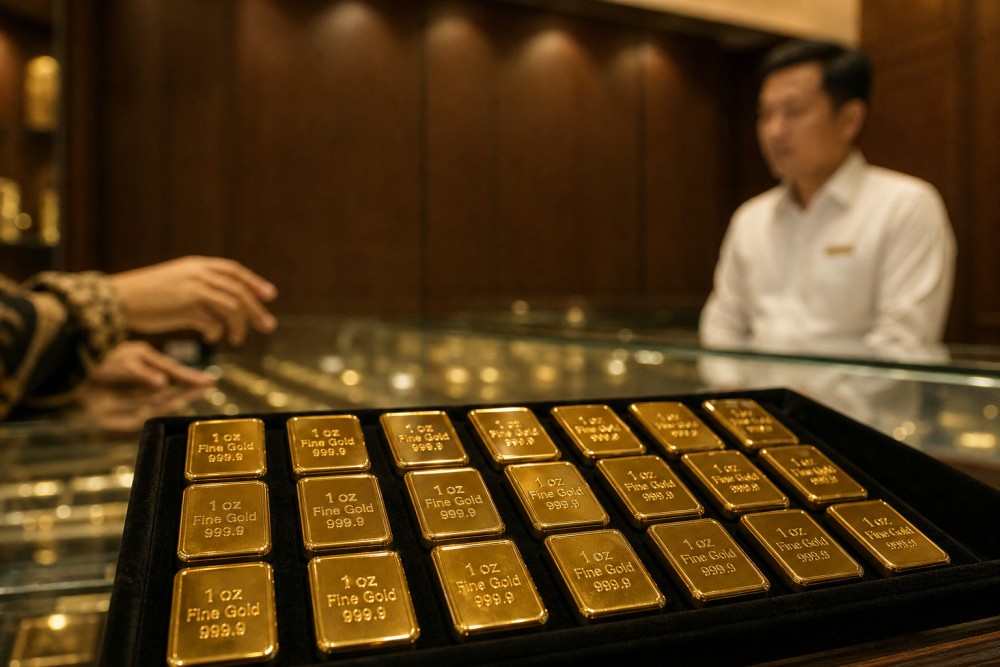
A report from heygotrade (May 13, 2026) noted that global gold investment demand in Q1 2026 jumped 74% year-over-year. Investors have been aggressively buying gold as a safe haven, and the launch of physical gold ETFs in Asia is accelerating.
4. Continued Central Bank Gold Buying
According to goldsilver.com, central banks purchased 244 tonnes of gold in Q1 2026, amid an inflation reading of 3.8%. J.P. Morgan maintains its year-end price target of $5,000, suggesting that the long-term bullish outlook among institutional investors remains intact despite short-term corrections.
Technical Analysis and Trading Scenarios
LiteFinance Technical Analysis (as of 2026-05-15):
- Pivot Point: $4,493.40
- Current Sentiment: "Gold Remains Under Pressure"
- XAU/USD shows potential for gains but is currently under significant pressure.
economies.com Technical Analysis (2026-05-15 01:40 UTC):
Gold prices declined in recent intraday trading, breaking below a short-term rising trend line. This technical signal reflects increased selling pressure and weakening buying momentum.
Finance Magnates Analysis (Broad Support/Resistance Zones):
- Support: $4,300
- Resistance: $5,400
- Gold is trading within this wide range, with the outcome of the FOMC decision and reactions around the $4,300 level expected to provide clearer entry points.
Times of India (2026-05-15):
Jateen Trivedi, VP analyst at LKP Securities, noted that "gold prices are showing a bearish bias in intraday trading," recommending a "sell on rise" strategy.
Macro Context
1. U.S. Inflation Hits 3.8%
As reported by goldsilver.com, recent U.S. inflation data hit 3.8%. Persistent inflation dampens expectations for Federal Reserve rate cuts, creating a complex environment for gold, which is a non-yielding asset.
2. Treasury Yield Spike and Dollar Strength
The surge in Treasury yields and dollar strength are cited as the direct causes of the May 15 price drop. CNBC highlights these factors for having "dulled gold's appeal." Higher rates create structural pressure that increases the opportunity cost of gold.
3. J.P. Morgan Maintains $5,000 Year-End Target
Institutional long-term bullish sentiment persists. According to goldsilver.com, J.P. Morgan holds a 2026 year-end gold target of $5,000, while the London Bullion Market Association (LBMA) 2026 consensus forecast stands at $4,741.97. Current gold prices are trading slightly below this midpoint.
4. Safe-Haven Demand and Expansion of Gold ETFs
discoveryalert.com.au (May 15, 2026) analyzes that real interest rates, Fed policy, central bank demand, and dollar dynamics remain the primary drivers of gold prices. The expansion of physical gold ETFs in Asia is seen as a factor strengthening the medium-to-long-term demand base.
Disclaimer: This briefing is for informational purposes only and does not constitute investment advice. All investment decisions should be made based on individual judgment and responsibility.
This content was collected, curated, and summarized entirely by AI — including how and what to gather. It may contain inaccuracies. Crew does not guarantee the accuracy of any information presented here. Always verify facts on your own before acting on them. Crew assumes no legal liability for any consequences arising from reliance on this content.
Powered by
