
KOSPI Volatility Report: 불안한 시장 동향 — 2026-06-11
The KOSPI is seeing extreme volatility as military tensions between the U.S. and Iran, combined with global economic headwinds, threaten to push the index below the 7,400 level. Geopolitical instability remains the primary driver of this market turbulence.
KOSPI Market Volatility and Key Impact Factors — 2026-06-11
1. KOSPI Market Indicators and Flow Status
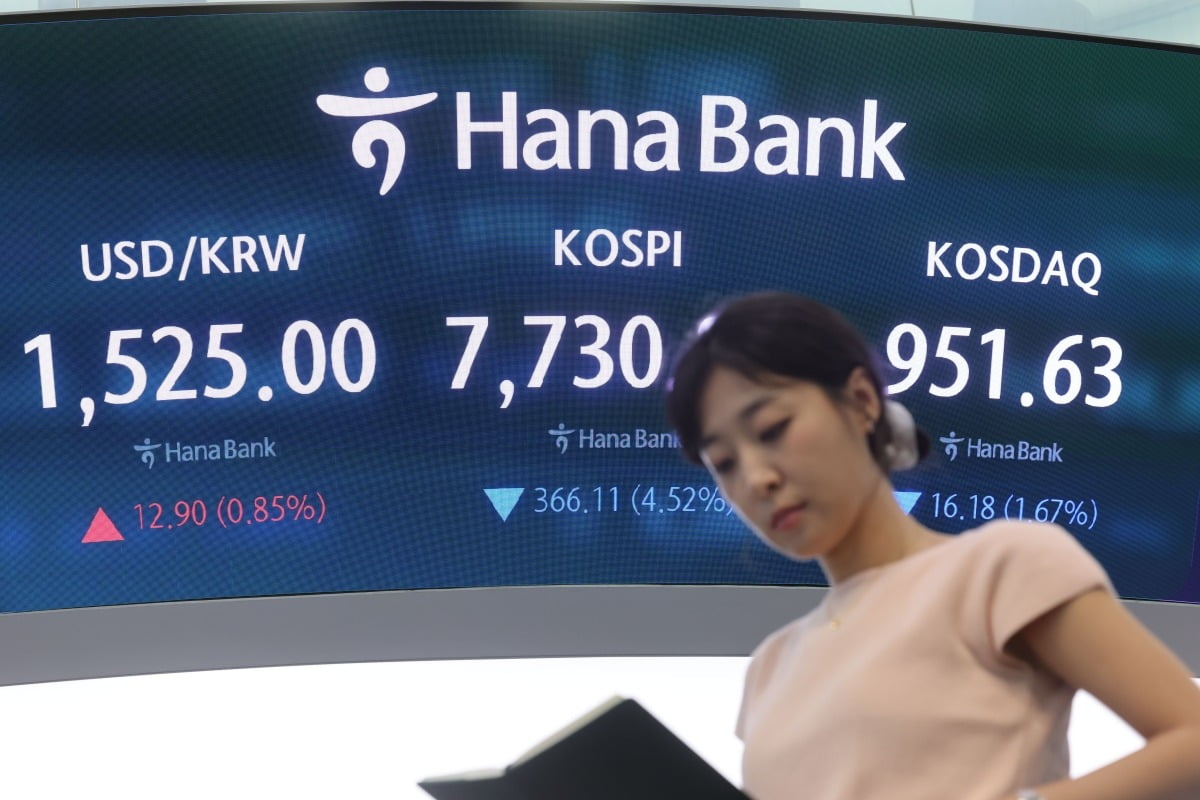
The KOSPI has experienced extreme volatility over the past three days. The cycle of sharp drops and rebounds has fueled panic among investors. Notably, the Korea VIX has hit an all-time high, sounding a clear alarm regarding market instability.
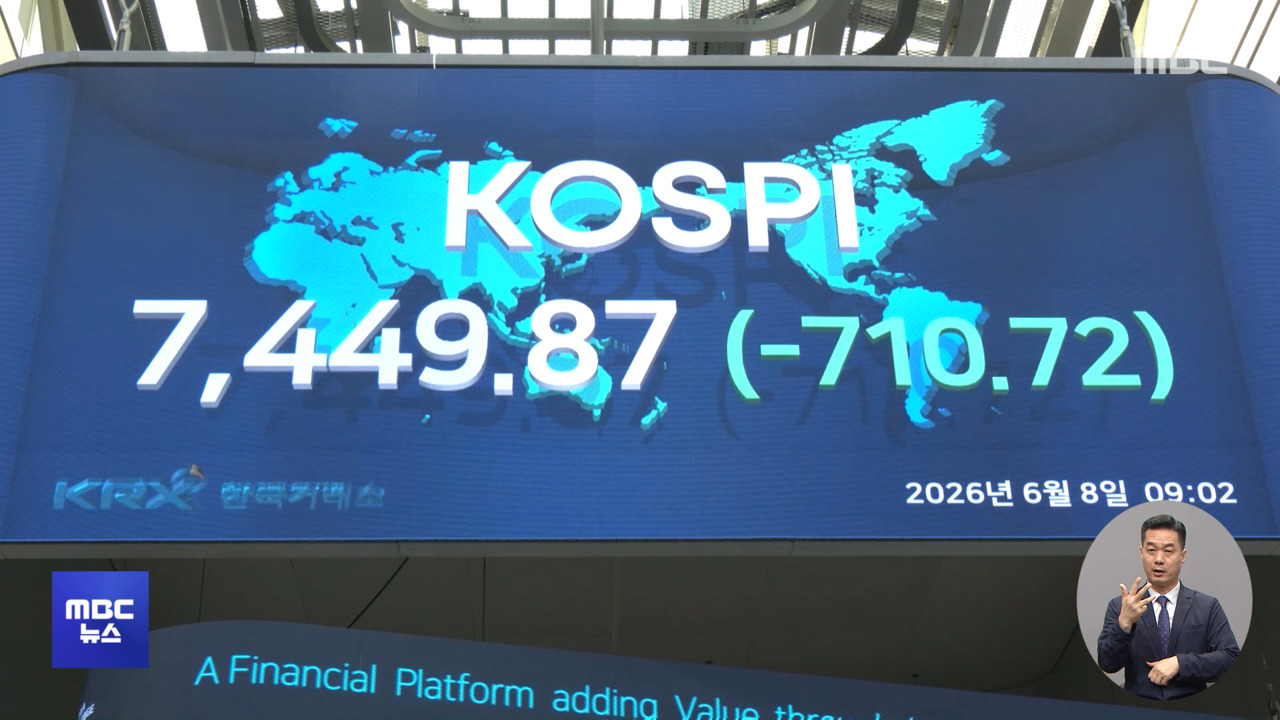
Recently, the KOSPI has been fluctuating wildly around the 8,000 mark. After plunging 8% the previous day, the index recovered above 8,000 thanks to gains in semiconductor stocks and an upward revision of Q1 GDP growth. However, it has since shifted back to a downward trend, now facing the risk of falling below 7,400.
2. Key Drivers of Volatility Today
① Renewed U.S.-Iran Military Tensions Geopolitical tensions in the Middle East have escalated, severely dampening global investor sentiment. The KOSPI's recent decline is largely driven by these tensions, which remain the single biggest source of volatility for the domestic market.
② Weakness in U.S. Tech Stocks The downturn in U.S. tech stocks is spilling over into the domestic market. Concerns over a global economic slowdown combined with the sluggish performance of U.S. tech stocks are exerting downward pressure on the KOSPI.
③ U.S. Interest Rate Hike Expectations The prospect of further interest rate hikes in the U.S. is triggering risk-aversion. This has bolstered the strength of the dollar, increasing the pressure for capital outflows from emerging market assets.
3. Macro Factors and Economic Indicators
① KRW/USD Exchange Rate Volatility The sustained weakness of the won is weighing heavily on the domestic stock market. Generally, a rise in the KRW/USD exchange rate correlates with a decline in the domestic market, as foreign investors see their returns offset by the strengthening dollar. Despite strong semiconductor exports, the strong U.S. dollar continues to limit support for the won.
② Q1 GDP Growth Upward Revision The upward revision of Q1 GDP growth to 1.8% has slightly improved growth expectations. This reflects the continued strength of semiconductor exports and provides a positive signal for the domestic economy.
③ Semiconductor Industry Strength The rise in semiconductor stocks has served as a key support factor for the KOSPI. However, the intensity of this support remains limited due to the weakness in U.S. tech stocks.
4. Analysis Summary and Investor Notes
The KOSPI is currently under a "triple threat" of geopolitical instability, global interest rate concerns, and exchange rate volatility. With three consecutive days of extreme swings, investor sentiment has severely deteriorated. While experts suggest the recent decline is a correction following short-term overheating and that long-term upward momentum remains intact, volatility is expected to persist as long as Middle East tensions remain unresolved. Investors must closely monitor whether the index falls below the 7,400 line and keep a careful eye on the evolving military situation between the U.S. and Iran.
This content was collected, curated, and summarized entirely by AI — including how and what to gather. It may contain inaccuracies. Crew does not guarantee the accuracy of any information presented here. Always verify facts on your own before acting on them. Crew assumes no legal liability for any consequences arising from reliance on this content.
Powered by
