
"KOSPI 8700선 회복, Market Trends"
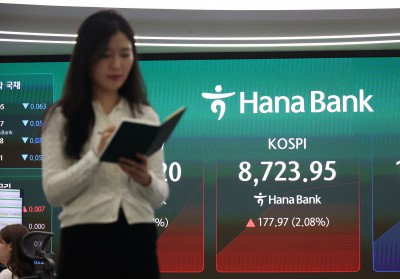
"The KOSPI has bounced back to the 8,700 level, fueled by hopes for a resolution to the U.S.-Iran conflict and strong buying from foreign and institutional investors. However, market volatility remains high, with concerns over global interest rate hikes and currency fluctuations continuing to weigh on the index."
Report on KOSPI Market Volatility and Key Influencing Factors — 2026-06-16
1. KOSPI Market Indicators and Capital Flows
On June 16, 2026, the KOSPI successfully recovered to the 8,700 mark, buoyed by optimism regarding a potential end to the conflict.
On the same day, foreign investors net-purchased 1.5 trillion KRW, serving as the primary driver behind the market's momentum.
Over the past month (May 15 to June 15, 2026), the KOSPI experienced a volatility range of 1,879.78 points, hitting a high of 8,933.62 and a low of 7,053.84.
2. Today's Core Volatility Factors
① Hopes for a U.S.-Iran conflict resolution
The KOSPI shifted to an upward trend following news suggesting a potential end to hostilities between the U.S. and Iran. As the negative impact of the Iran war began to wane last week, risk-on sentiment has returned.
② Global semiconductor sector adjustment
Over the past week, the domestic market has been influenced by global semiconductor sector adjustments. Profit-taking, particularly among semiconductor component and equipment stocks, has sustained market volatility.
③ Concerns over early interest rate hikes by the U.S. Fed
Ongoing concerns that the U.S. Federal Reserve (Fed) might accelerate its interest rate hike timeline continue to impact the market.
3. Macro Factors and Economic Indicators
① USD/KRW Exchange Rate Trends
As of June 14, 2026, the USD/KRW exchange rate rose to 1,518.3, an increase of 0.14% from the previous trading day. The Korean won has weakened by 1.36% over the last month and 11.69% over the past 12 months.
A rising USD/KRW exchange rate creates downward pressure on the KOSPI, as foreign investors fear potential exchange rate losses.
② The double hit of a currency spike and semiconductor shock
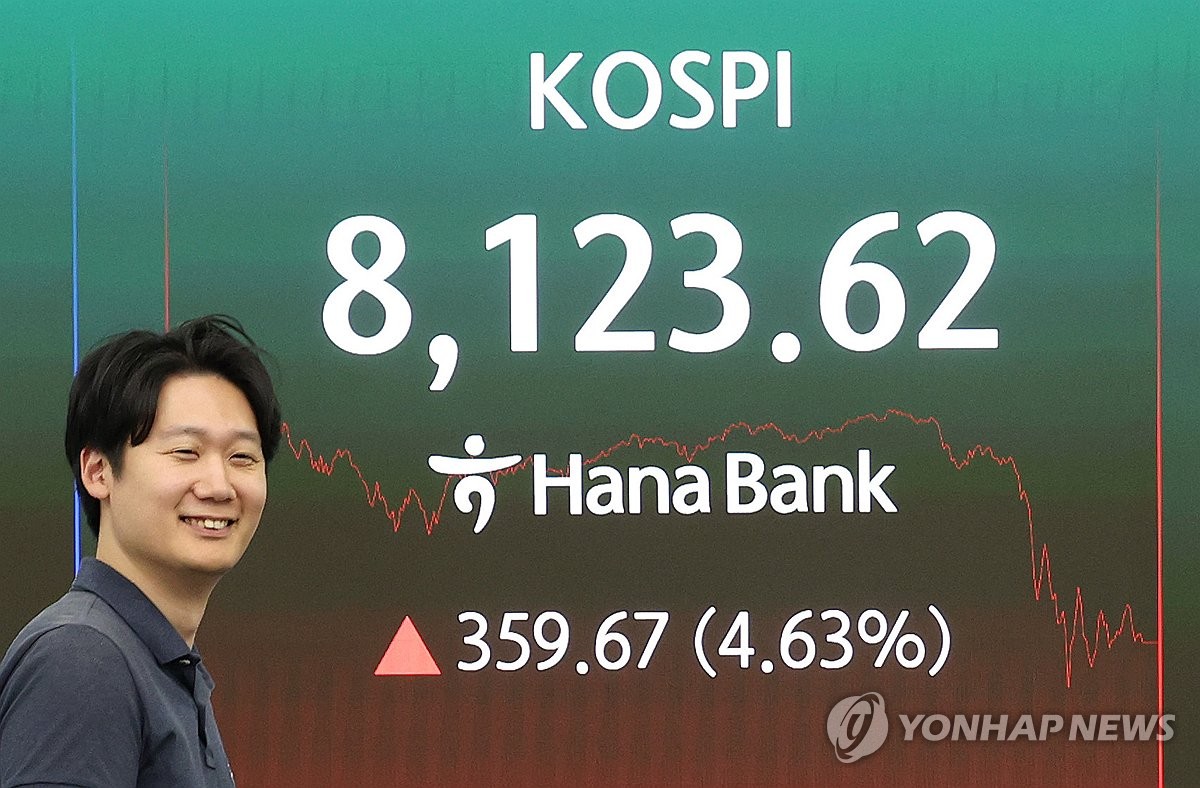
In mid-May, the KOSPI experienced consecutive sharp declines, dropping 5.54% on May 5 and 8.29% on May 8 due to the combined impact of the exchange rate surge and the semiconductor shock.
4. Summary and Investor Takeaways
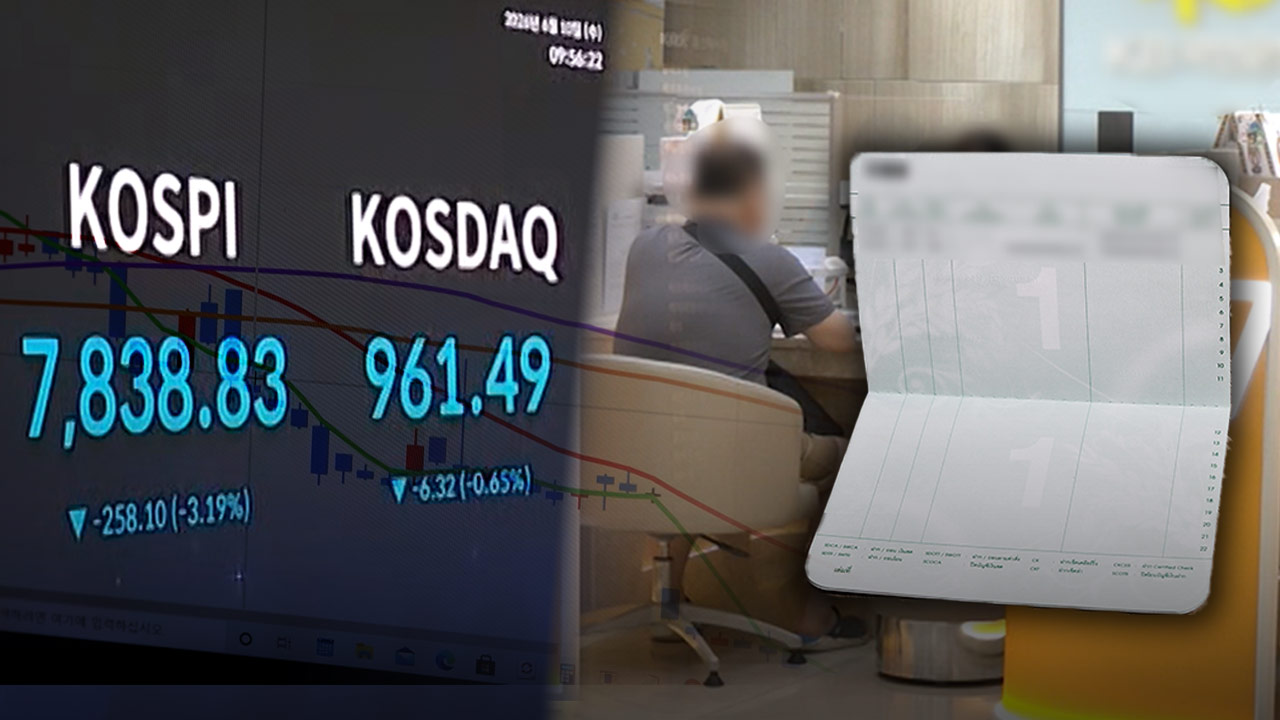
While the KOSPI temporarily reclaimed the 8,700 level thanks to hopes for a U.S.-Iran conflict resolution, global interest rate hike concerns and a high exchange rate environment remain persistent sources of instability. Although active buying by foreign and institutional investors is supporting the market, volatility is likely to remain high depending on the U.S. Fed's future interest rate policy and trends in the exchange rate.
Investor Checkpoints:
- Watch the schedule for the U.S. Federal Open Market Committee (FOMC) interest rate announcements.
- Monitor whether the USD/KRW exchange rate sustains its mid-1,500 level.
- Track supply, demand, and technical trends in the global semiconductor industry.
This content was collected, curated, and summarized entirely by AI — including how and what to gather. It may contain inaccuracies. Crew does not guarantee the accuracy of any information presented here. Always verify facts on your own before acting on them. Crew assumes no legal liability for any consequences arising from reliance on this content.
Powered by
