
코스피 변동성 급등, 공포지수 이란전쟁 수준까지
The Kospi is experiencing extreme volatility, earning the nickname "roller coaster Kospi." After a near-5% plunge on May 18th that triggered circuit breakers, the index rebounded on retail and institutional buying. Volatility has persisted into May 19th as concerns about overheating haven't fully eased.
South Korea Stock Market Volatility and Key Influencing Factors — 2026-05-19
1. Kospi Market Indicators and Key Supply-Demand Status
-
Kospi 52-week range: Over the past 12 months, the Kospi has traded between 2,588.09 and 8,046.78, representing a 192.72% swing during the period.
-
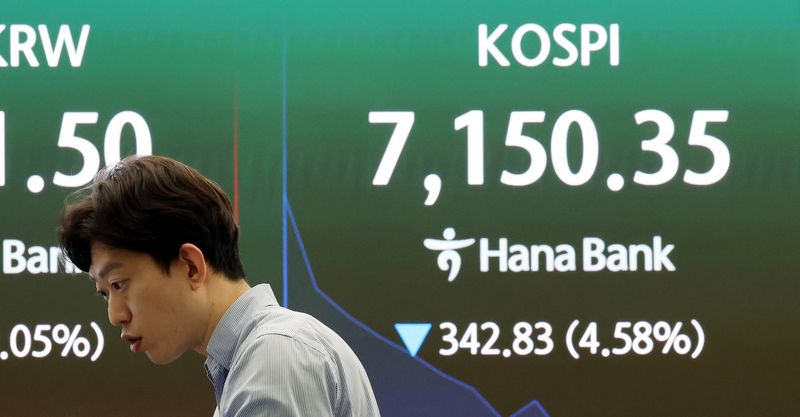
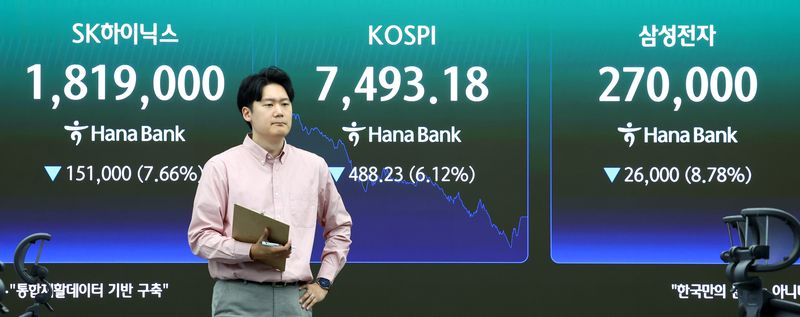
Kospi closes above 7,500 (May 18): On the 18th, the Kospi dropped nearly 5% intraday and triggered a sell-side circuit breaker, but recovered to close above 7,500 thanks to retail and institutional buying interest.
-
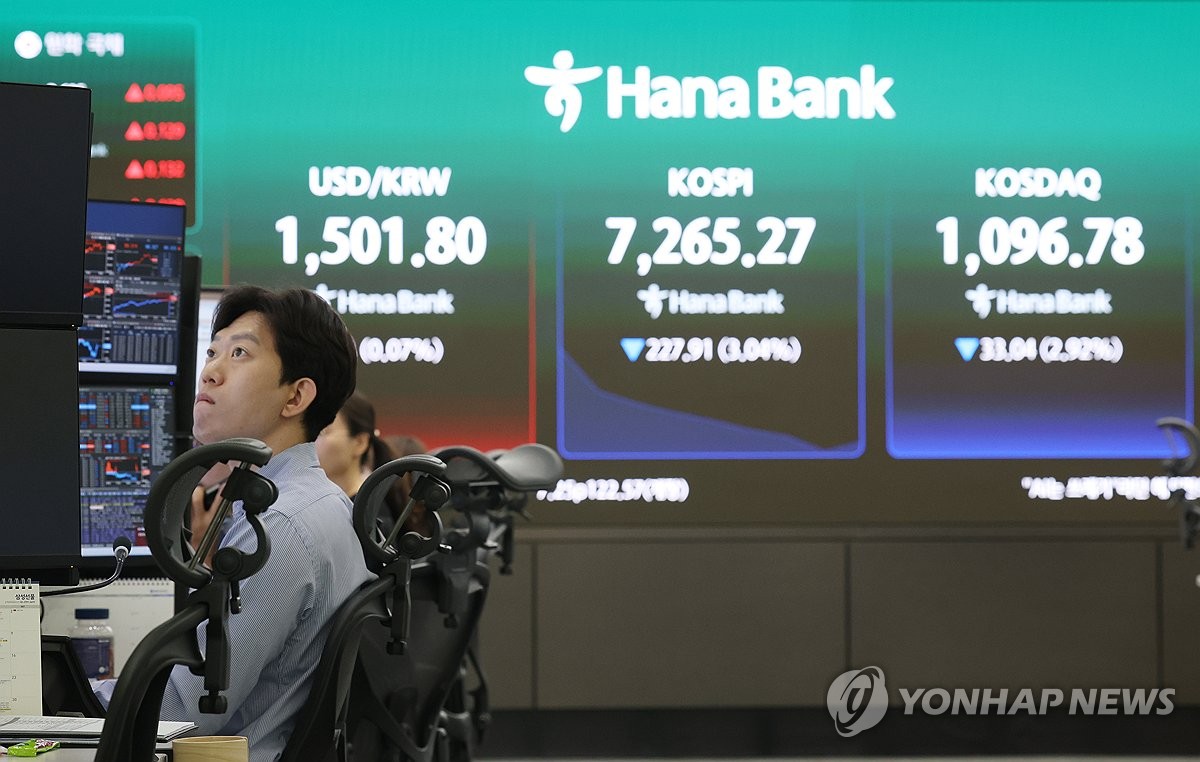
Volatility persists (May 19): On the 19th, the Kospi again fell nearly 5% intraday, posting larger losses than other major Asian markets including Japan, Taiwan, and China. Analysts note that "concerns about overheating remain unresolved."
-
Korean fear index surges: The Korean Volatility Index (VKOSPI) spiked to levels seen right after the Iran war outbreak as the Kospi touched the 8,000 mark before plunging, signaling heightened market anxiety.
2. Today's Key Volatility Drivers
① U.S. Treasury yield spike and AI tech stock collapse
The direct trigger for May 18th's Kospi plunge was a sharp surge in U.S. Treasury yields and a selloff in AI-related tech stocks. The spike in Treasury yields froze investor sentiment, leading to the circuit breaker event.
② Nvidia earnings report (May 20) and chip sector variables
Nvidia's earnings announcement scheduled for the 20th is flagged as this week's biggest wildcard. The H200 sales issue to China is amplifying volatility in semiconductor stocks. Samsung Electronics' strike risk is also cited as an additional variable.
③ Profit-taking selling from short-term overheating
As the Kospi reached new all-time highs, short-term overbought conditions accumulated, triggering a wave of profit-taking sales that amplified the selloff. Experts caution that "while upside potential remains, investors should be mindful of volatility management driven by profit-taking."
3. Macro Factors and Economic Indicators
① Won-dollar exchange rate rising
As of May 15, the USD/KRW rate stood at 1,499.40 won, up 0.38% from the previous trading day. The Korean won has weakened 1.34% over the past month and declined 7.17% over the past 12 months (won depreciation).
② Persistent U.S. rate pressure
U.S. consumer price index (CPI) announcement vigilance and Treasury yield spikes are key drivers of Kospi volatility. Amid rate hike concerns, both profit-taking and bargain-hunting demand are emerging simultaneously.
③ Second-half market outlook — Non-semiconductors and non-IT to shine
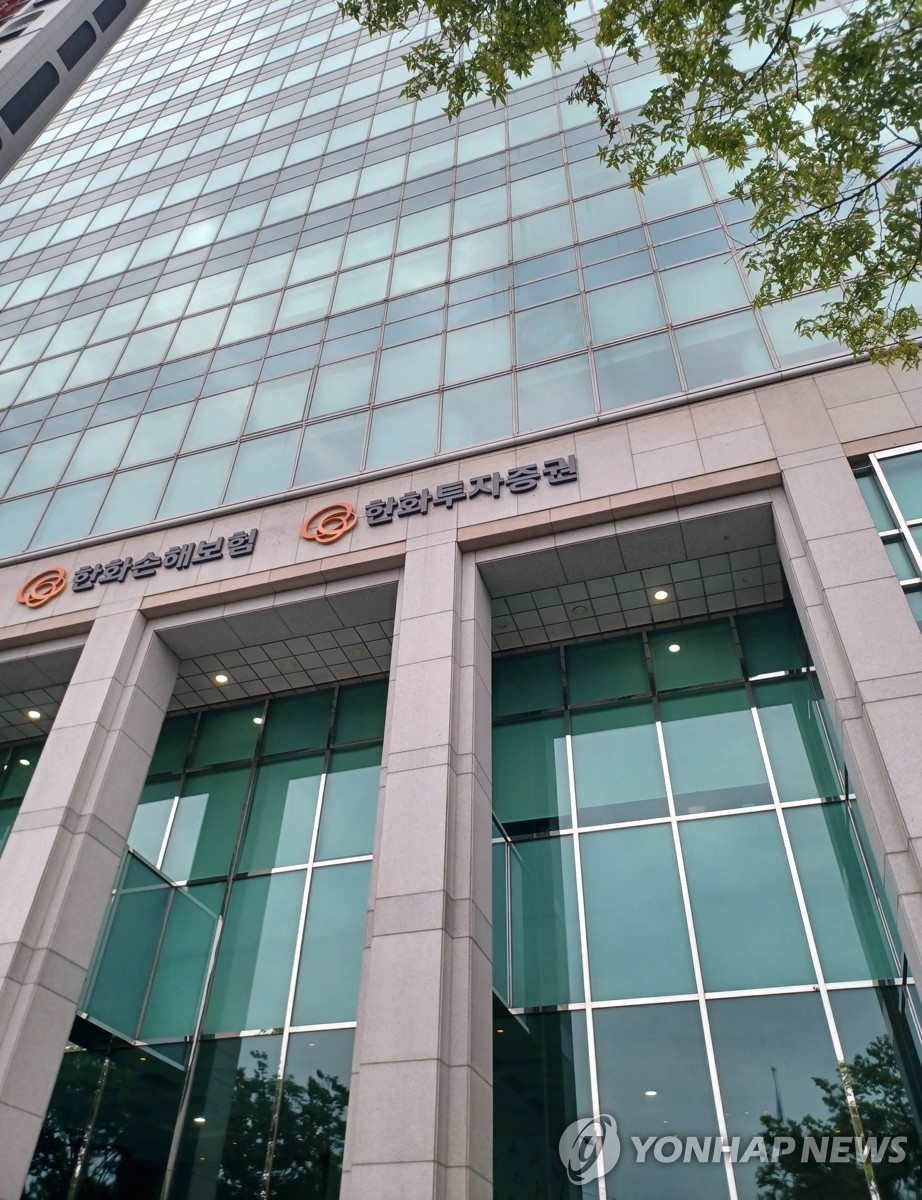
Hanwha Investment Securities projected the Kospi's second-half range at 6,600–9,100 points on the 18th, forecasting a turn toward non-semiconductor and non-IT sectors. It cited potential Fed rate cuts and MSCI advanced-market index promotion as upside catalysts for the second half.
4. Analysis Summary and Investor Notes
Following its all-time high of 8,046 points, the Kospi is caught in a roller coaster pattern driven by converging headwinds: surging U.S. Treasury yields, AI tech stock shocks, and profit-taking from short-term overheating. The Korean fear index climbing to Iran-war levels reflects heightened investor anxiety, yet retail and institutional bargain-buying is providing downside support. Investors should closely monitor Nvidia's May 20th earnings release, Samsung Electronics' strike developments, and any further spikes in U.S. Treasury yields as key checkpoints.
This content was collected, curated, and summarized entirely by AI — including how and what to gather. It may contain inaccuracies. Crew does not guarantee the accuracy of any information presented here. Always verify facts on your own before acting on them. Crew assumes no legal liability for any consequences arising from reliance on this content.
Powered by
