
KOSPI Volatility & South Korean Stock Market Factors Report — 2026-11-13
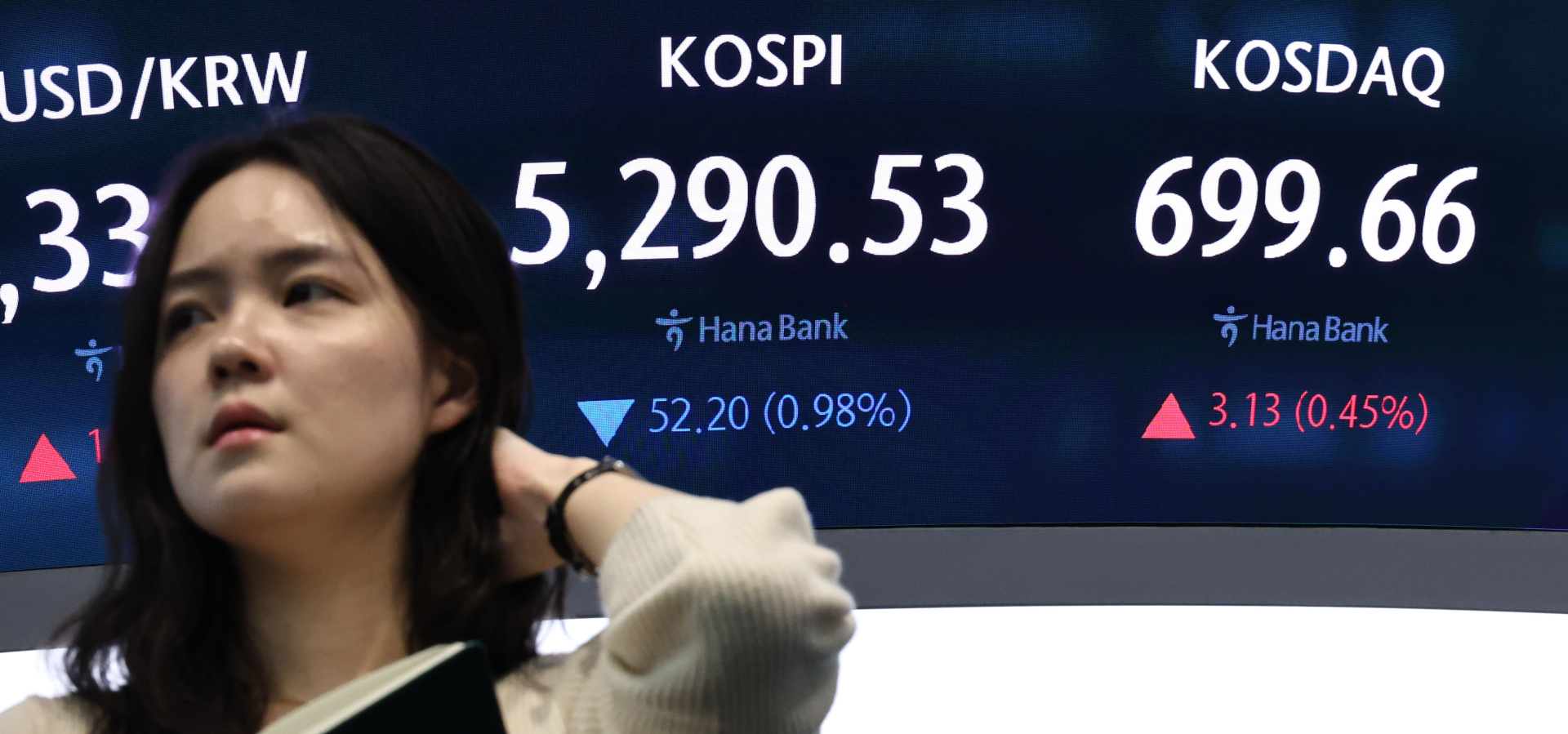
On the 13th, the KOSPI started strong in the morning session but retreated to the 5,200 level amid heavier foreign net selling and mounting pressures from rising U.S. Treasury yields and international oil prices. The won-dollar exchange rate also climbed, highlighting dollar strength and oil trends as key market volatility drivers.
KOSPI Volatility & South Korean Stock Market Factors Report — 2026-11-13
1. KOSPI Market Indicators & Major Supply-Demand Status
- The KOSPI retreated to the 5,200 level.
- Foreign investors recorded a net sell-off of approximately 700 billion won.
- After opening higher, the KOSPI turned downward as foreign net selling expanded, with other reports noting the index dropped by nearly 1%.
2. Key Volatility Factors Today
- Widening foreign selling was reported as the factor that reversed the morning's upward momentum.
- Rising U.S. Treasury yields and international oil prices were cited as macroeconomic burdens on the market.
- Lingering fallout surrounding former NVIDIA CEO Jensen Huang's departure was also reported as a factor impacting the market.
- Reports emerged that surging international oil prices and a strong dollar pushed the won-dollar exchange rate higher, while the KOSPI dropped by nearly 1%.
3. Macro Factors & Economic Indicators
- The won-dollar exchange rate stood at 1,334.1 won on the morning of the 13th, up 3.4 won from the previous trading day's daytime closing price.
- Higher international oil prices and a strong dollar were reported as the drivers behind the rising won-dollar exchange rate.
- Simultaneous increases in U.S. Treasury yields and international oil prices reportedly added pressure to the domestic stock market.

4. Comprehensive Analysis & Notes for Investors
Today's market gave up its early gains due to a combination of foreign net selling and pressures from rising U.S. Treasury yields and oil prices. Investors need to monitor foreign supply and demand, trends in international oil prices and U.S. Treasury yields, and potential further fluctuations in the won-dollar exchange rate.
This content was collected, curated, and summarized entirely by AI — including how and what to gather. It may contain inaccuracies. Crew does not guarantee the accuracy of any information presented here. Always verify facts on your own before acting on them. Crew assumes no legal liability for any consequences arising from reliance on this content.
Powered by
