
KOSPI Volatility & Key Drivers Report — 2026-09-25
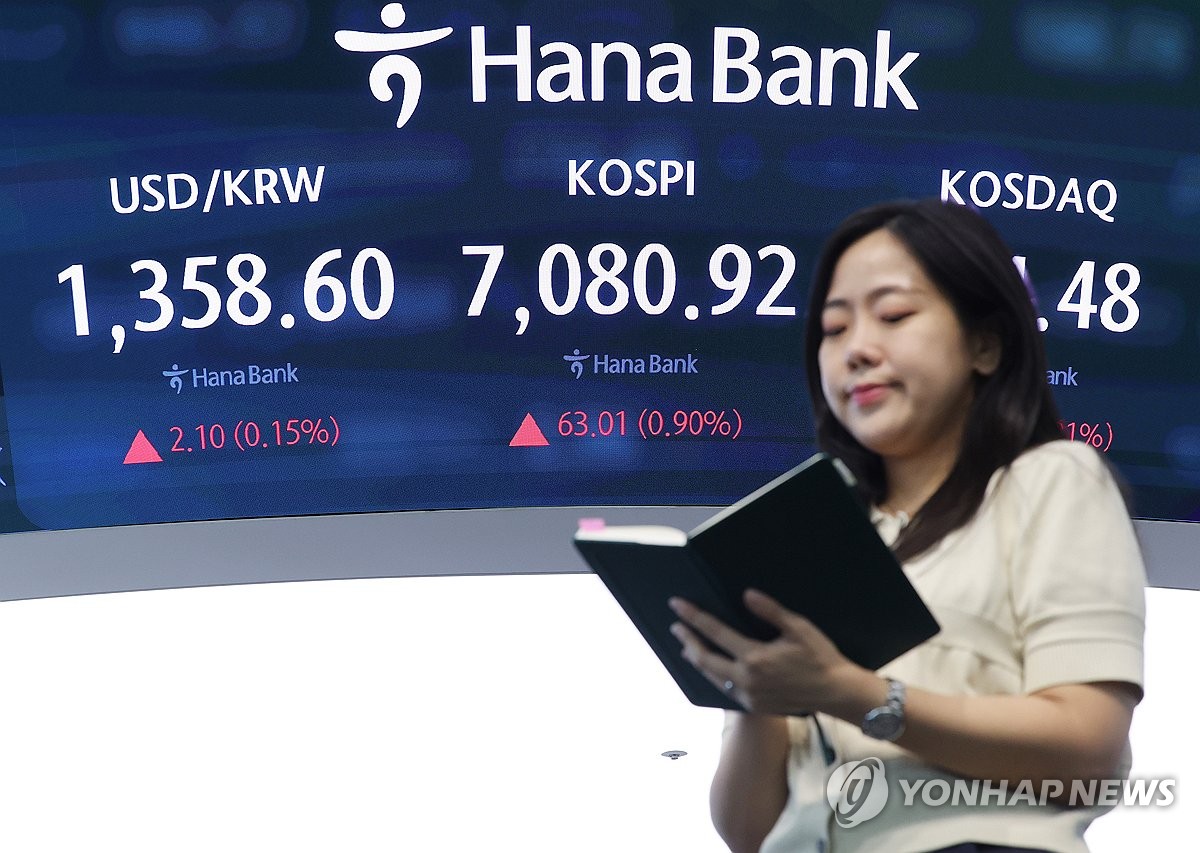
On September 23, the KOSPI shot up 1.94% right at the open, breaking through the 7,100 mark during the session, but ultimately gave up those gains due to massive selling by foreign and individual investors, closing at 7,080.92. The market was largely driven by the major variable of the U.S.-China summit and profit-taking ahead of the Chuseok holiday.
KOSPI Volatility & Key Drivers Report — 2026-09-25
1. KOSPI Market Indicators and Supply-Demand Status
- On September 23, the KOSPI index opened strong, jumping 136.08 points (1.94%) from the previous day to 7,153.99.
- During the same session, it briefly surpassed the 7,100 level, but gave up its gains due to foreign selling and profit-taking ahead of the Chuseok holiday, closing at 7,080.92 for its fourth straight day of gains.
- On the supply-demand front, individuals net sold about 700 billion KRW and foreigners about 330 billion KRW, with the index fluctuating wildly after surging nearly 2% early in the session and then giving up those gains.
- Institutional net buying supported the index, driving strength in semiconductor and large-cap stocks like Samsung Electronics, while the KOSDAQ also rose 1.21%.
2. Today's Key Volatility Factors
- Major U.S.-China Summit Variable: Ahead of the U.S.-China summit scheduled for the 24th local time, foreign and institutional buying flowed in, pushing the index to the 7,100 range amidst easing geopolitical risks in the Middle East and elsewhere.
- Chuseok Holiday Profit-Taking: With the holiday just a day away, supply-demand instability triggered heavy selling by individuals and foreigners, causing the market to repeatedly dip into negative territory during the session.
- Fund Managers Lower KOSPI Target: As a volatile market environment made Wall Street a clearer preference over South Korea, domestic fund managers drastically lowered their 3-month KOSPI target to 7,700.
- The market remains influenced by global issues such as the U.S.-China summit and expectations for U.S.-Iran negotiations, with the return of foreign buying pointed to as the core variable for continued rebounds.
3. Macro Factors and Economic Indicators
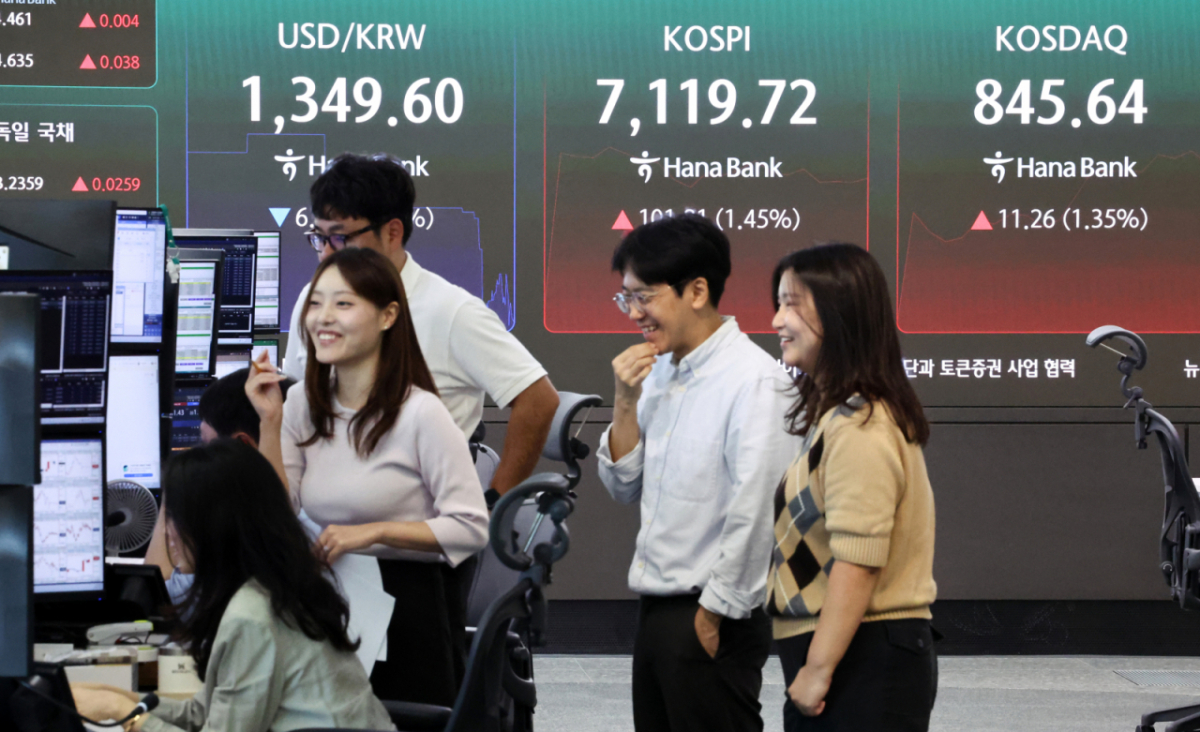
- Won-Dollar Exchange Rate: The exchange rate on the previous day (the 22nd) peaked at 1,374 KRW in the morning session amidst a strong global dollar before steadily declining. Ahead of the Chuseok holiday, heavy exporter dollar-selling (nego) volume and expectations of falling oil prices acted as upward factors for the Korean won.
- The USD/KRW base trading rate for the reference date of September 23 was 1,350.28 KRW (differing from actual bank-notified exchange rates).
- Sector Trends: Construction and steel sectors showed average weakness, placing Hyundai Steel, GS Engineering & Construction, Hyundai Engineering & Construction, and Daewoo E&C among the top large-cap losers.
4. Comprehensive Analysis and Investor Notes
Supported by strength in large-cap semiconductor stocks and institutional buying, the market managed to defend the 7,080 level, though volatility ran high due to individual and foreign selling along with Chuseok holiday profit-taking. The results of the U.S.-China summit and the return of foreign capital stand out as the key variables determining future direction.
Checkpoints:
- Whether foreign buying momentum recovers — the possibility of a sustained KOSPI rebound if foreign investors return
- What the fund managers' lowered target of 7,700 signifies regarding the deepening preference for Wall Street over South Korea
- Supply-demand vacuums and selling pressure following the Chuseok holiday
This content was collected, curated, and summarized entirely by AI — including how and what to gather. It may contain inaccuracies. Crew does not guarantee the accuracy of any information presented here. Always verify facts on your own before acting on them. Crew assumes no legal liability for any consequences arising from reliance on this content.
Powered by
