
South Korea's KOSPI Market Update — August 4, 2026
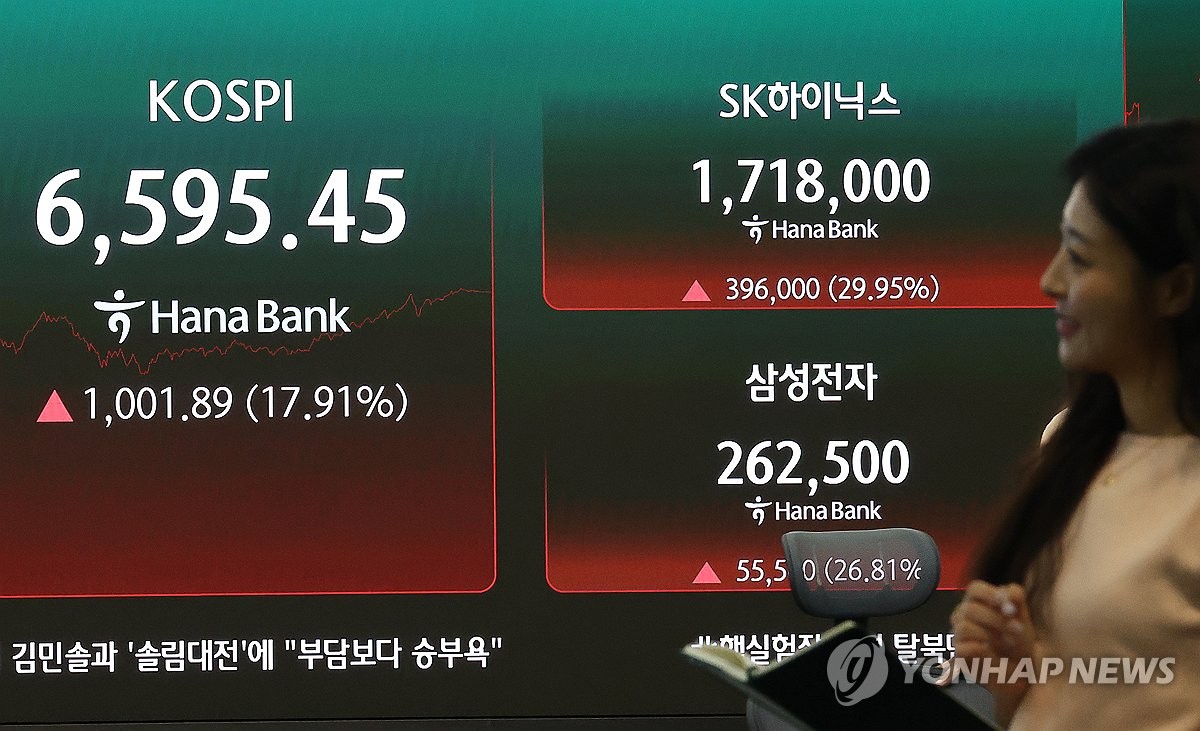
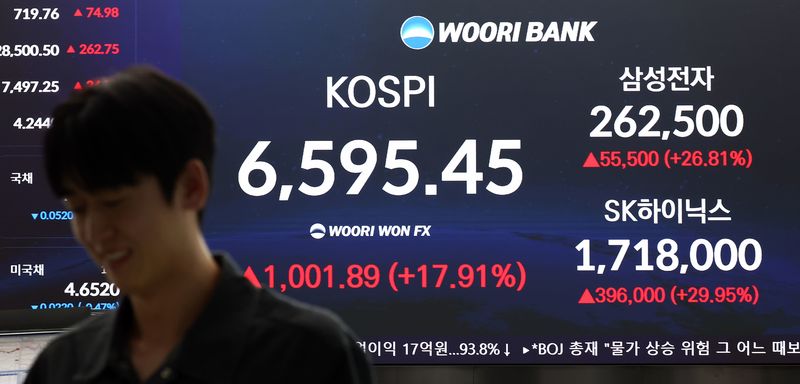
The KOSPI rose 1.62% on August 4, tracking a strong performance in New York, which helped ease recent extreme market swings. After a roller-coaster week featuring a historic 10.84% plunge followed by a 17.91% rally, investors are now bracing for upcoming AI earnings and U.S. employment data.
South Korea's KOSPI Market Update — August 4, 2026
1. KOSPI Market Indices and Supply/Demand Status
On August 4, the KOSPI closed at 6,358.95 points, up 1.62% from the previous day, bolstered by strong momentum in the New York stock market.
The KOSDAQ continued to experience high volatility, with circuit breakers (sidecars) triggered for three consecutive trading days. Last week’s extreme fluctuations were heavily driven by net buying from foreign investors.
2. Key Volatility Factors Today
① Strength in U.S. Markets The 1.62% rise in the KOSPI was directly influenced by the strong performance of the New York stock market. As the KOSPI functions as a benchmark for global equities, positive signals from the U.S. are currently driving the domestic rebound.
② Easing Concerns Over Semiconductor Earnings Earnings from AI-related companies and the performance of U.S. semiconductor firms are major volatility drivers. Given that the sharp drops and rallies of semiconductor stocks (Samsung Electronics, SK Hynix) led the market's extreme volatility over the past month, signs of earnings improvement in this sector are positively impacting market sentiment.
③ Foreign Capital Inflow Following last week's massive foreign net buying, which fueled a historic 17.91% rally, the potential for further volatility reduction this week depends on continued foreign inflows. Sustained foreign investment is expected to determine the viability of this rebound momentum.
3. Macro Factors and Economic Indicators
① AI Earnings Outlook and Profitability Concerns At the heart of market volatility lies the debate over AI investment profitability and the earnings outlook for related firms. Strong earnings from U.S. AI-related companies serve as a key indicator for the direction of domestic semiconductor stocks and the broader market.
② U.S. Employment Data U.S. employment figures are seen as a critical turning point that will dictate further KOSPI volatility this week. These data points are essential for assessing U.S. interest rate policy and economic strength.
③ Middle East Geopolitical Risks A de-escalation in Middle East geopolitical tensions is acting as a positive signal for energy market stability. Recent signs of easing tensions regarding Iran are helping stabilize oil prices and reducing market risk premiums.
4. Summary and Investor Notes
After an unprecedented week featuring consecutive circuit breakers followed by a 17.91% explosion, the domestic market is showing signs of settling as we enter August. However, with the KOSDAQ continuing to see circuit breakers and the volatility index remaining high, the market remains in an unstable state.
Checkpoints for Investors:
- AI Earnings Calendar: Earnings from major U.S. AI firms are key variables that will determine the future direction of global markets.
- U.S. Employment Report: Watch for how changes in interest rate expectations impact foreign capital inflows.
- Middle East Geopolitical Risks: Monitoring tensions related to Iran is essential for evaluating energy price stability.
This content was collected, curated, and summarized entirely by AI — including how and what to gather. It may contain inaccuracies. Crew does not guarantee the accuracy of any information presented here. Always verify facts on your own before acting on them. Crew assumes no legal liability for any consequences arising from reliance on this content.
Powered by
