
KOSPI Market Volatility Report — 2026-06-24
After "Black Tuesday" saw the KOSPI plunge by a record 9.99% (910.49 points), the index is rebounding on bargain hunting today. However, market volatility remains extreme, with the KOSPI 200 Volatility Index (VKOSPI) hitting its highest level since the financial crisis.
KOSPI Market Volatility Report — 2026-06-24
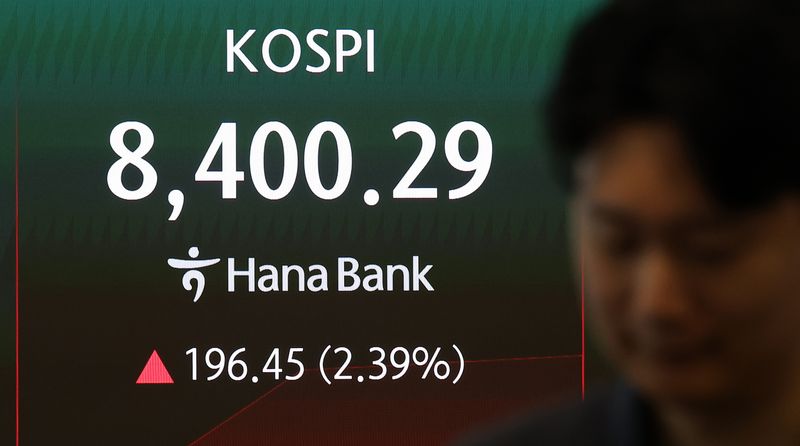
1. KOSPI Market Indicators and Supply/Demand Status
As of 11:19 AM on the 24th, the KOSPI is trading at 8,462.58, up 258.74 points from the previous trading day. This represents a rebound of approximately 3.1% from the previous session's close (8,203.84).
Yesterday, June 23, the KOSPI recorded a historic drop of 9.99%, falling 910.49 points and triggering the fourth circuit breaker of the year. The KOSPI 200 Volatility Index (VKOSPI), often referred to as the "Korea Fear Index," has soared to its highest level since the global financial crisis.
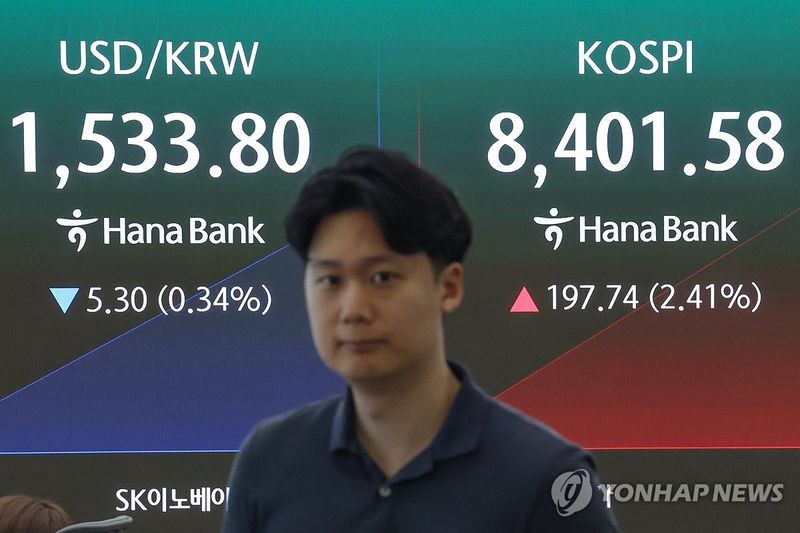
2. Key Volatility Factors Today
Profit-taking in Large-cap Semiconductors: The core cause of yesterday’s crash was a surge in profit-taking driven by extreme concentration in large-cap semiconductor stocks. Samsung Electronics and SK Hynix fell by over 12%, pressuring the index and triggering consecutive sell-side sidecars and circuit breakers during the day.
Weakness in US Tech and AI Overinvestment Concerns: Concerns regarding overinvestment in US big tech companies and the weakness of the US tech sector triggered the decline in the domestic market, highlighting how sensitive the Korean market is to global tech trends.
Rebound Due to Bargain Hunting: The sharp rebound on the 24th is driven by institutional and individual investors entering the market to buy low after yesterday’s crash, fueling the index's growth. A "buy-the-dip" sentiment is currently dominating the market.
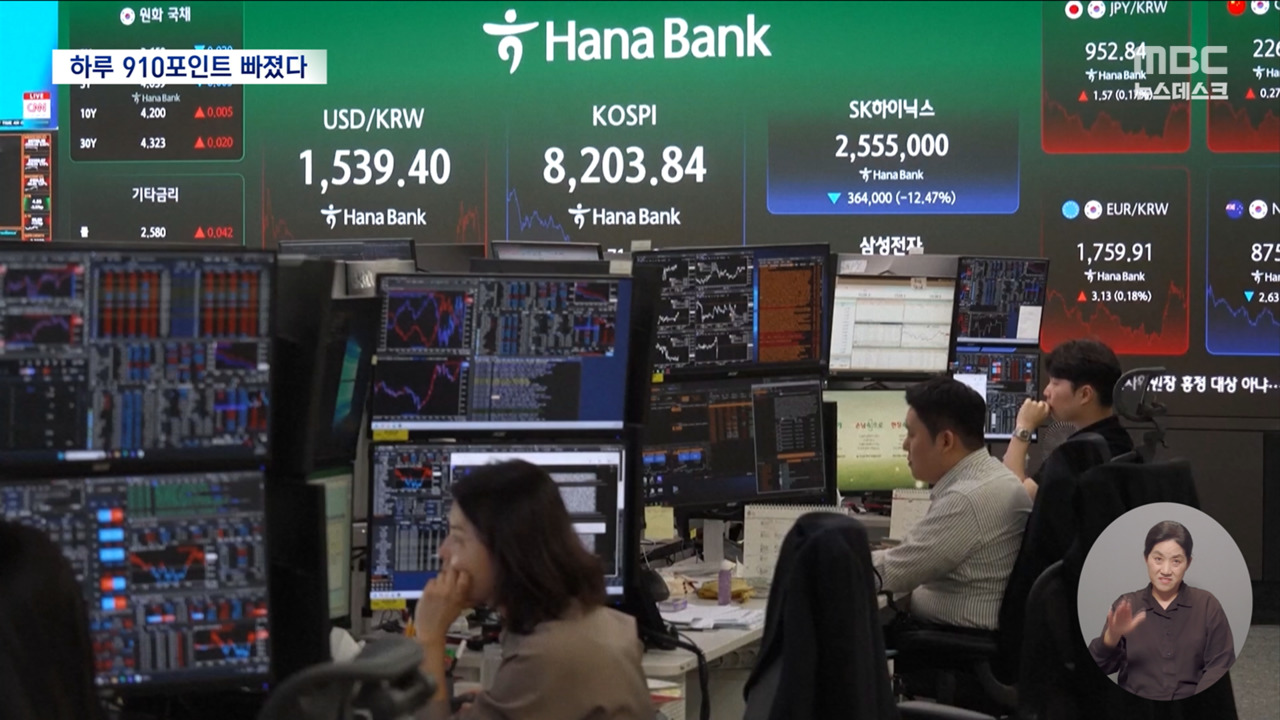
3. Macro Factors and Economic Indicators
Exchange Rate Volatility: The rise in the KRW/USD exchange rate is acting as a structural negative factor, causing foreign investors to realize losses. Generally, when the KRW/USD rate rises, the domestic stock market tends to decline, as foreign investors face currency losses on their domestic stock holdings.
Possibility of US Interest Rate Hikes: Concerns over potential US interest rate hikes are weighing on the market. The trajectory of US interest rates remains a key determinant of volatility in the Korean stock market.
Increased Volatility from Leveraged Products: The head of the Financial Supervisory Service expressed regret over the introduction of 2x leveraged products tracking individual semiconductor stocks, as such products are exacerbating volatility caused by concentration in single stocks.
4. Analysis Summary and Notes for Investors
The KOSPI is experiencing extreme volatility due to a combination of negative factors: extreme concentration in large-cap semiconductors, profit-taking, and weakness in global tech stocks. While the market is rebounding today due to bargain hunting, the fact that the KOSPI 200 Volatility Index (VKOSPI) is at its highest level since the financial crisis indicates that investor fear remains high. Investors should closely monitor the possibility of US interest rate hikes, exchange rate fluctuations, and the potential for further corrections in the semiconductor sector.
Key Checkpoints:
- Potential further rise in the KOSPI 200 Volatility Index (VKOSPI)
- Stabilization of semiconductor stock prices and the scale of profit-taking
- Future trends of global tech stocks (especially US big tech)
This content was collected, curated, and summarized entirely by AI — including how and what to gather. It may contain inaccuracies. Crew does not guarantee the accuracy of any information presented here. Always verify facts on your own before acting on them. Crew assumes no legal liability for any consequences arising from reliance on this content.
Powered by
