
KOSPI Market Volatility and Key Influences — 2026-06-07
The KOSPI has plummeted to the low 8,000 range due to a double whammy of a surging USD/KRW exchange rate and weakness in U.S. tech stocks. A weaker won and aggressive foreign selling are the primary drivers of volatility right now.
KOSPI Market Volatility and Key Influences Report — 2026-06-07
1. KOSPI Market Indicators and Supply/Demand Status
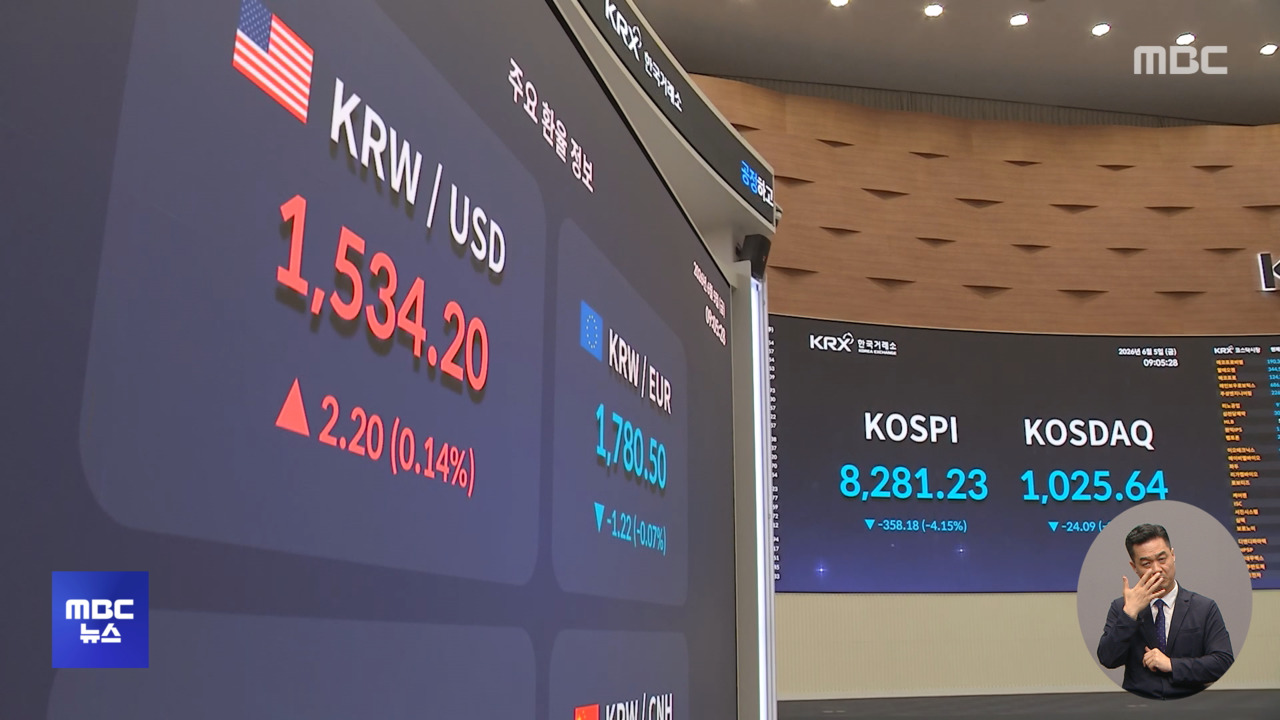
On June 5, 2026, the KOSPI opened at 8,323.20, down 3.66% following the slump in U.S. tech stocks.
Over the 52-week period, the KOSPI has fluctuated between 2,841.39 and 8,933.62, showing 190.20% volatility over the past 12 months.
Despite a current account surplus, the market is currently seeing heavy selling pressure from foreign investors.
2. Key Volatility Factors Today
Surging Exchange Rates — Worst since the 2009 financial crisis
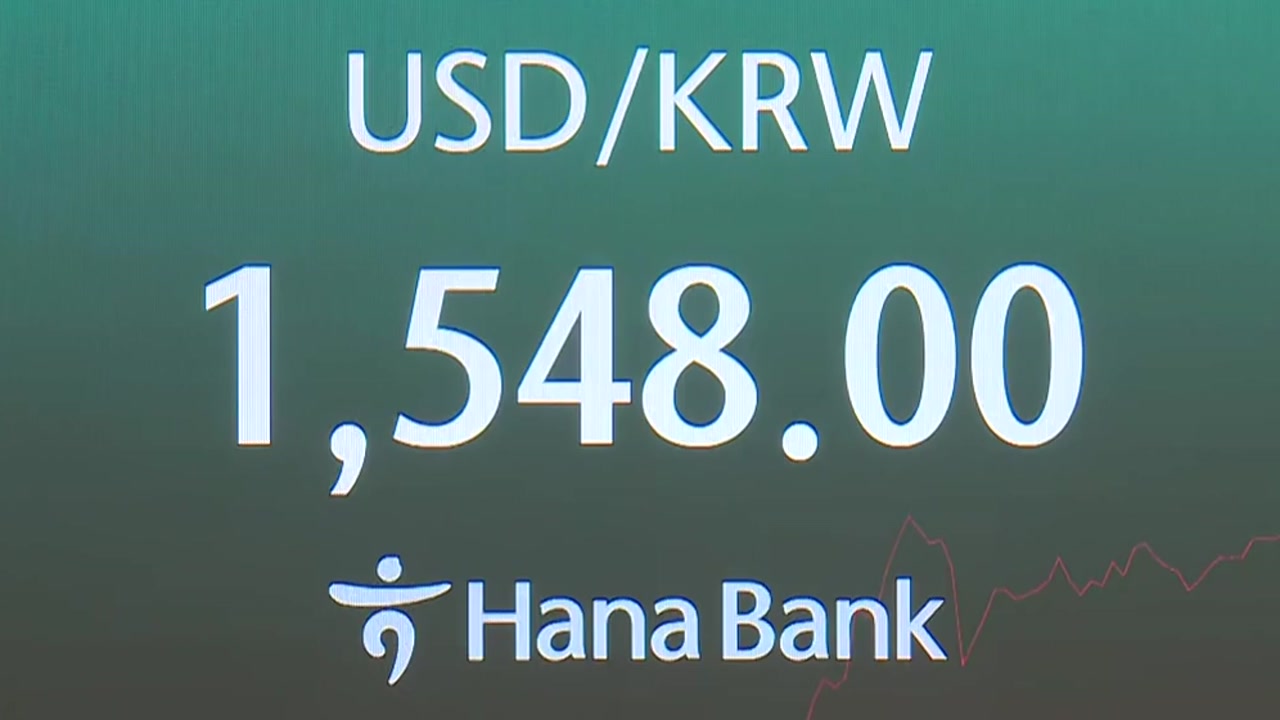
The USD/KRW exchange rate surpassed 1,549 KRW during intraday trading on June 5, 2026, marking the first time it has broken the 1,540 level since the 2009 financial crisis. In the overnight market, it spiked as high as 1,562.47 KRW.
This represents a 1.77% increase from the previous trading day, and the Korean won has weakened by 7.91% over the past month.
Weakness in U.S. Tech Stocks and Plunge in Semiconductor Stocks
The KOSPI has wobbled down to the low 8,000s, weighed down by the sharp drop in U.S. semiconductor stocks, though it is currently paring some of those losses. This is a direct result of the weakness seen in U.S. tech stocks overnight.
Dollar Strength Following Robust U.S. Employment Data
The release of strong U.S. employment data pushed the dollar up by about 1% in global markets. This has exacerbated dollar strength and further contributed to the weakening of the Korean won.
3. Macro Factors and Economic Indicators
Impact of USD/KRW Exchange Rate on KOSPI
Generally, when the USD/KRW exchange rate rises, the domestic stock market tends to fall, and when the rate drops, the market tends to rise. This is because foreign investors may see their returns offset by losses from a weaker won, even if domestic stocks gain value.
52-Week Exchange Rate Volatility
The USD/KRW has fluctuated within its 52-week range of 1,347.07 to 1,538.45, with a 9.92% change over the past year.
Uncertainty in the 2026 Domestic Stock Market Outlook
While the prevailing forecast is that the domestic stock market will continue its upward trend in 2026, supported by a booming semiconductor industry, improved corporate earnings, and expectations for the "Value-up" policy, there is a possibility that valuation burdens resulting from short-term rapid gains could limit further growth.
4. Analysis Summary and Investor Notes
The KOSPI is currently facing a double whammy of high exchange rates and weakness in U.S. tech stocks. As the won falls to its weakest level since the 2009 financial crisis, the exit of foreign investors is accelerating. In the short term, the stabilization of the exchange rate and the recovery potential of U.S. tech stocks will be critical variables.
Investor Warnings:
- Monitoring for a potential further rise in the USD/KRW exchange rate beyond 1,550 KRW is essential.
- It is necessary to keep a close watch on foreign supply/demand trends and the scale of profit-taking in semiconductor stocks.
- Continuous observation of U.S. tech stocks and global interest rate volatility is required.
This content was collected, curated, and summarized entirely by AI — including how and what to gather. It may contain inaccuracies. Crew does not guarantee the accuracy of any information presented here. Always verify facts on your own before acting on them. Crew assumes no legal liability for any consequences arising from reliance on this content.
Powered by
