
KOSPI Volatility Report: 2026-06-28 시장 현황
The KOSPI is stuck in a period of extreme volatility, fluctuating between 8400 and 9500 as the VKOSPI hits record highs. With 10 sidecars and 3 circuit breakers triggered in June alone, the market remains incredibly unstable. Looking ahead, July's corporate earnings season and global interest rate decisions will be the key factors to watch.
KOSPI Market Volatility and Impact Factors Report — 2026-06-28
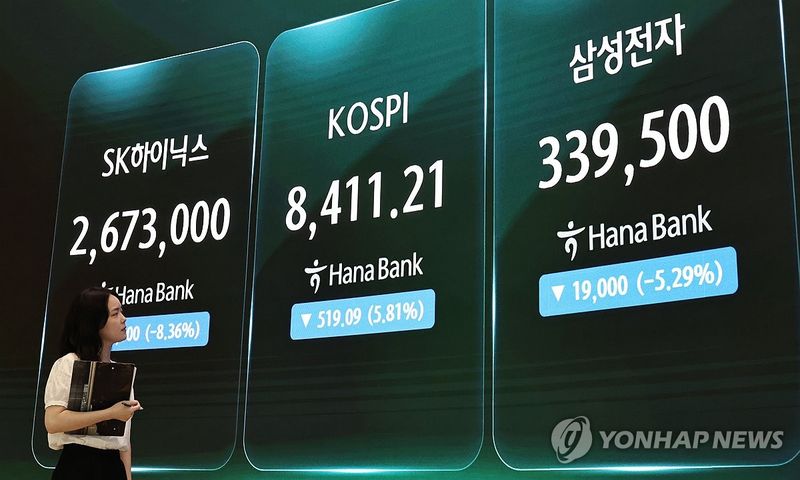
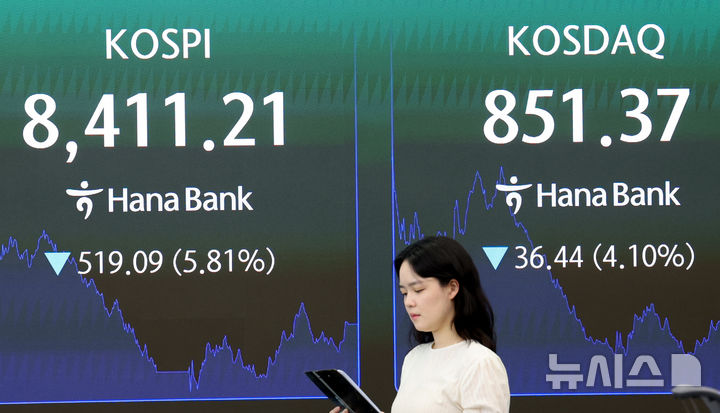
1. KOSPI Market Indicators and Supply/Demand Status
The KOSPI has shown extreme volatility, opening at 9052.42 on June 22 and closing at 8411.21 on June 26, marking a 7.08% decline. The KOSDAQ also saw a significant drop, closing down 4.82% at 845.104 as of 2:20 PM on the 26th.
Volatility throughout June has reached historic levels. The VKOSPI (KOSPI Volatility Index) hit its highest point since the financial crisis, and the market saw an unprecedented scenario where sidecars were triggered 10 times and circuit breakers 3 times.
2. Key Volatility Factors Today
(1) Mixed US Market Performance and Profit-Taking
The mixed performance of the US stock market is fueling the decline in domestic stocks. Weakness in US markets and the resulting pressure to lock in gains are cited as primary drivers for the KOSPI's drop.
(2) Extreme Psychological Fear and Panic
Daily fluctuations of around 4% have become "the new normal," leading many to remark that while a 4% swing used to be a major event, it is now routine. This has caused fear and panic to become ingrained among market participants.
(3) Weakness in the Semiconductor Sector
Mixed performance within the semiconductor industry has seen the index slide into extreme de-rating territory. While Micron-led semiconductor strength once boosted the market, it has since shifted to a persistent decline, intensifying downward pressure.
3. Macro Factors and Economic Indicators
(1) The Paradox of Exchange Rate Stability
Despite the sharp decline in the KOSPI, the won-dollar exchange rate closed at 1,541.00 won, a slight decrease of 2.00 won (won appreciation). This suggests that the exchange rate is not the primary cause of the market plunge. Typically, a rise in the won-dollar rate leads to a decline in domestic stocks, while a lower rate leads to an increase.
(2) July Earnings Season and Global Interest Rate Decisions
While major companies like Samsung Electronics and SK Hynix are expected to report strong earnings in July, global interest rate decisions will act as a major market variable. Additionally, the National Pension Service’s upcoming rebalancing is drawing attention from a supply-demand perspective.
(3) Valuation Burdens
While 2026 was expected to see a continued uptrend driven by a semiconductor boom, improved corporate earnings, and value-up policies, valuation burdens stemming from the short-term rally are acting as a constraint on further gains.
4. Summary and Investor Notes
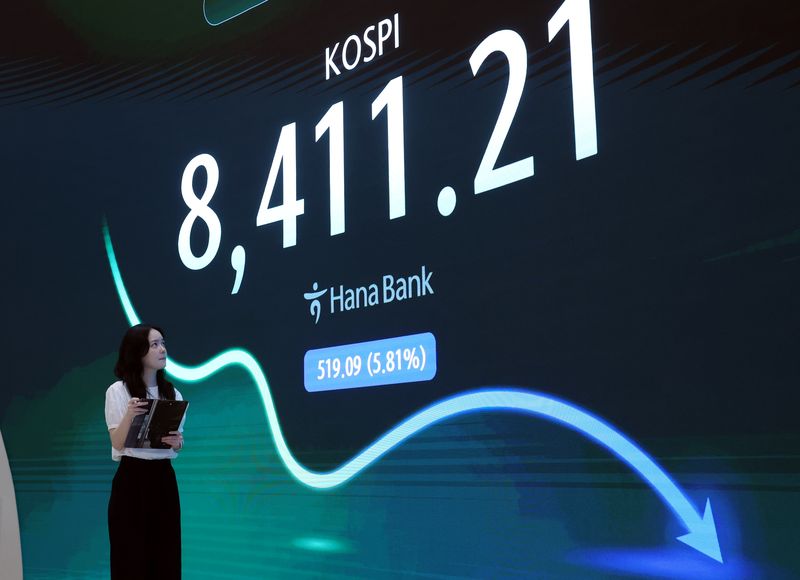
The domestic stock market is currently mired in a swamp of extreme volatility, with daily fluctuations of over 4% becoming the standard. This is not merely the result of exchange rates or specific news, but a combination of global macro uncertainty, weakness in the semiconductor sector, and psychological fear due to high valuations.
Key points for investors to check:
- July Earnings Season: The performance of semiconductor firms like Samsung Electronics and SK Hynix will be the core variable determining the direction of the KOSPI.
- Global Interest Rate Decisions: Interest rate policies from various nations will directly impact foreign capital flows.
- KOSPI Target Range: Securities firms project the KOSPI will fluctuate between 8400 and 9500.
The market is currently under the influence of existing valuation burdens and global uncertainty, and this high level of volatility is expected to persist in the short term.
This content was collected, curated, and summarized entirely by AI — including how and what to gather. It may contain inaccuracies. Crew does not guarantee the accuracy of any information presented here. Always verify facts on your own before acting on them. Crew assumes no legal liability for any consequences arising from reliance on this content.
Powered by
