
코스피 폭락, 변동성 3개월래 최대
The Kospi closed down 5.28% amid the US midterm election results and AI profitability concerns, with index volatility surging to a three-month high. While foreign net selling continues to put upward pressure on the won-dollar exchange rate, declining international oil prices are capping further gains.
South Korea Stock Market Kospi Volatility and Impact Factors Report — 2026-11-05

1. Kospi Market Indicators and Major Supply-Demand Status
As of November 5, the Kospi index closed down 5.28% compared to the previous day due to concerns over slowing semiconductor demand stemming from the US midterm election results. Market heavyweights such as Samsung Electronics and SK Hynix plummeted 7% and 9%, respectively, leading the market decline.
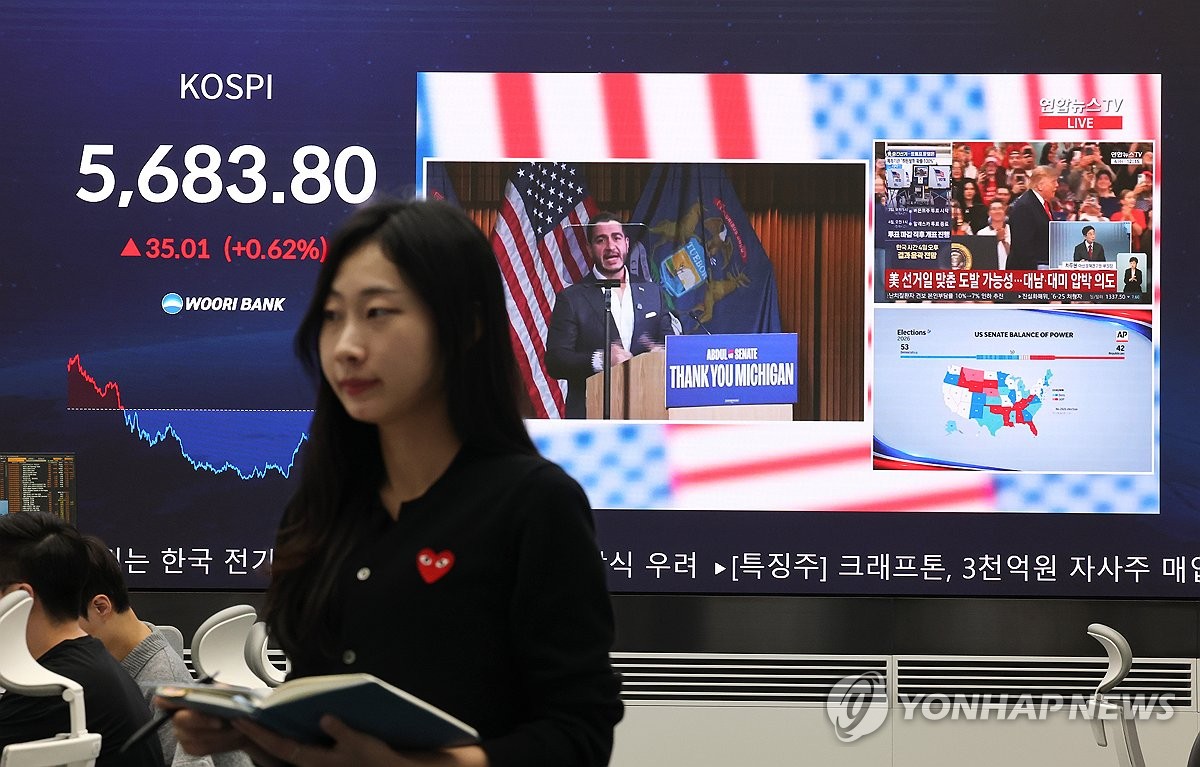
Earlier on November 3, the Kospi dropped 3.59% to close at 5,648.79, during which foreign investors net sold approximately 1.5 trillion won. The index's intraday volatility reached a three-month high, leading to an increasing number of Volatility Interruption (VI) triggers.
2. Today's Key Volatility Factors
The biggest volatility drivers in the market today are the US midterm election results and concerns over the profitability of the AI industry. Reports of a potential landslide victory by the Democratic Party spread worries about slowing semiconductor demand and tighter related regulations, causing both the Kospi and Kosdaq to plunge over 5%.
In addition, renewed sharp declines in US tech stocks like NVIDIA and AMD, coupled with growing global skepticism over AI investment returns, acted as downward pressure on domestic semiconductor stocks. On November 4, the previous day, the market showed strength in early trading influenced by the overnight rebound of tech stocks on Wall Street, but ultimately continued its unstable trajectory with a roller-coaster session of 400 points ending in a modest gain.
3. Macro Factors and Economic Indicators
The won-dollar exchange rate is facing upward pressure due to risk-off sentiment driven by stock market instability. As of the market close on November 4, the exchange rate edged up as risk aversion intensified following the stock market crash. However, the closing price on November 3 was 1,341 won, down 2.8 won from the previous day affected by falling international oil prices.
While large-scale stock sales by foreign investors create demand to remit funds, dollar negotiation supplies from semiconductor companies and falling international oil prices are analyzed to be capping the upper limit of the exchange rate. Typically, the exchange rate tends to rise when the stock market falls, but recently, foreign capital outflow and dollar-strength pressures have been acting in combination.
4. Comprehensive Analysis and Investor Notes
The market is currently experiencing extreme volatility driven by a double whammy of US political event outcomes and AI bubble concerns. While some analyses suggest the index PER is undervalued compared to major countries, fluctuations driven by global macro issues are expected to be substantial rather than a clear short-term directional trend.
Investors should remain cautious of the increasing frequency of VI triggers and expanding intraday volatility, and should specifically monitor supply-demand trends in the semiconductor sector and whether the won-dollar exchange rate stabilizes in the 1,340 won range as key checkpoints.
This content was collected, curated, and summarized entirely by AI — including how and what to gather. It may contain inaccuracies. Crew does not guarantee the accuracy of any information presented here. Always verify facts on your own before acting on them. Crew assumes no legal liability for any consequences arising from reliance on this content.
Powered by
